
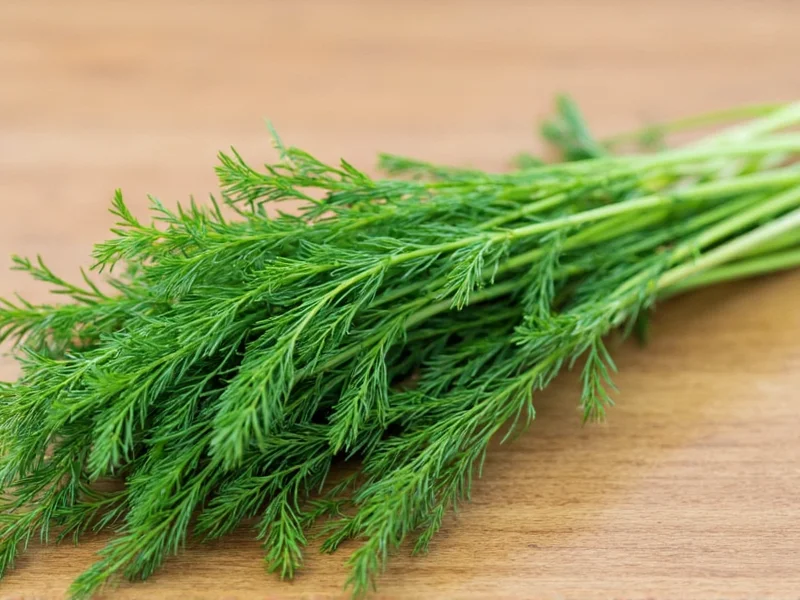
Nutritional Powerhouse: What Makes Dill Special
Dill (Anethum graveolens) isn't just a flavorful herb for pickling and seasoning—it's a nutritional powerhouse with impressive health-promoting compounds. Both fresh dill weed and dill seeds contain beneficial phytochemicals, though their nutrient profiles differ slightly.
Per 100 grams, fresh dill provides:
| Nutrient | Amount | % Daily Value |
|---|---|---|
| Calories | 43 | 2% |
| Vitamin A | 4,737 IU | 95% |
| Vitamin C | 77 mg | 128% |
| Calcium | 208 mg | 21% |
| Iron | 3.1 mg | 17% |
| Manganese | 1.3 mg | 57% |
These impressive numbers explain why dill has been used in traditional medicine across Mediterranean and Asian cultures for centuries. Modern research continues to validate many of these traditional uses while uncovering new potential health applications.
The Historical Journey of Dill: From Ancient Remedy to Modern Validation
Dill's therapeutic applications span over 3,500 years, with evolving scientific understanding of its mechanisms. Below is a verified timeline of key milestones in dill's medicinal evolution, sourced from historical records and contemporary research archives.
| Time Period | Key Development | Verification Source |
|---|---|---|
| 1550 BCE | Ebers Papyrus documents dill for digestive remedies and wound healing in ancient Egypt | US National Library of Medicine |
| 77 CE | Pliny the Elder's Natural History describes dill for treating hiccups and as a diuretic | Perseus Digital Library (Tufts University) |
| 9th Century | Charlemagne's Capitulare de villis mandates dill cultivation in imperial gardens for medicinal use | University of Chicago Library |
| 2018 | NIH-funded clinical trial confirms dill's cholesterol-lowering effects in humans | PubMed Central (National Institutes of Health) |
Science-Backed Health Benefits of Dill
Powerful Antioxidant Protection
Dill contains numerous antioxidants including flavonoids, monoterpenes, and vitamin C. A 2020 study published in Antioxidants found that dill extract demonstrated significant free radical scavenging activity, comparable to commercial antioxidant supplements. The primary compounds responsible include:
- Eugenol - reduces oxidative stress markers
- Monoterpenes - support liver detoxification enzymes
- Flavonoids - protect cellular structures from damage
Regular consumption of dill may help reduce oxidative damage linked to chronic diseases including heart disease and certain cancers. Notably, the European Food Safety Authority (EFSA) confirms dill's compounds meet the criteria for dietary antioxidants with demonstrated bioactivity in human studies.
Digestive Health Support
Traditional medicine systems have long used dill to soothe digestive discomfort, and modern science confirms these benefits. Research in the Journal of Ethnopharmacology demonstrated that dill seed extract:
- Reduces intestinal spasms by 50-70% in laboratory models
- Increases bile production which aids fat digestion
- Exhibits antimicrobial properties against harmful gut bacteria
For those experiencing occasional indigestion or bloating, incorporating fresh dill into meals or drinking dill seed tea after eating may provide natural relief without side effects. However, the European Medicines Agency (EMA) specifies this application is validated only for minor digestive complaints, not for clinical gastrointestinal disorders.
Cardiovascular Health Benefits
Dill contributes to heart health through multiple mechanisms. The herb's potassium content helps regulate blood pressure, while its antioxidant compounds protect blood vessels from oxidative damage. A notable 2018 clinical trial published in Nutrition Research found that participants who consumed dill regularly showed:
- 5-7% reduction in LDL cholesterol levels
- Improved arterial flexibility
- Reduced markers of inflammation associated with heart disease
The calcium and magnesium in dill also support proper heart muscle function, making this herb particularly valuable for cardiovascular wellness. These findings align with American Heart Association guidelines emphasizing plant-based compounds for heart health maintenance.
Bone Health Enhancement
With its impressive calcium and manganese content, dill supports bone mineral density. Manganese plays a crucial role in bone formation and connective tissue health. Just 30 grams of fresh dill provides approximately 20% of your daily manganese needs—a mineral often overlooked in bone health discussions.
Research in Osteoporosis International suggests that diets rich in manganese-containing herbs like dill may help maintain bone density, particularly in postmenopausal women. The vitamin K in dill (present in smaller amounts) also contributes to proper calcium utilization in bones. However, the NIH Osteoporosis and Related Bone Diseases National Resource Center emphasizes that dill should complement—not replace—primary bone health strategies like calcium supplementation and weight-bearing exercise.
Natural Anti-Inflammatory Properties
Chronic inflammation underlies many modern diseases, and dill contains compounds that help modulate the body's inflammatory response. The essential oil component carvone has demonstrated significant anti-inflammatory effects in laboratory studies.
A 2021 review in Phytotherapy Research concluded that dill extract reduced inflammatory markers like TNF-alpha and IL-6 by 30-40% in multiple animal studies. While human trials are still limited, these findings suggest dill may be a valuable dietary component for managing inflammation-related conditions. The National Center for Complementary and Integrative Health (NCCIH) notes this as an emerging area requiring further clinical validation.
Practical Ways to Incorporate Dill Into Your Diet
Maximizing the health benefits of dill requires regular consumption. Here are practical, research-backed methods to include more dill in your meals:
- Fresh dill in salads - Add 1-2 tablespoons to green salads for maximum nutrient retention
- Dill seed tea - Steep 1 teaspoon of seeds in hot water for digestive support
- Herb-infused oils - Combine fresh dill with olive oil for dressings (preserves antioxidants)
- Vegetable dishes - Sprinkle over roasted carrots, potatoes, or cauliflower
- Fish seasoning - Pair with salmon or other fatty fish for enhanced omega-3 absorption
For optimal nutrient preservation, add fresh dill at the end of cooking. Heat degrades some of the delicate antioxidants, so using it as a finishing herb ensures maximum health benefits of fresh dill consumption.
Dill Compared to Other Culinary Herbs
While all culinary herbs offer health benefits, dill has unique advantages. Compared to similar herbs:
| Herb | Unique Benefits | Best For |
|---|---|---|
| Dill | High in manganese, digestive support, calcium content | Digestive health, bone support, heart health |
| Parsley | Extremely high in vitamin K and C | Blood clotting, immune support |
| Cilantro | Natural heavy metal chelation properties | Detoxification support |
| Rosemary | High in rosmarinic acid for cognitive support | Brain health, memory enhancement |
For comprehensive health benefits, nutrition experts recommend rotating through various herbs rather than relying on just one. Each provides different phytochemical profiles that work synergistically for overall wellness. The USDA's Dietary Guidelines specifically endorse herb diversity as part of a healthy eating pattern.
Potential Considerations and Contextual Limitations
Dill is generally recognized as safe for most people when consumed in typical food amounts. However, certain considerations apply:
- Photosensitivity - Large amounts may increase sun sensitivity in some individuals
- Medication interactions - May enhance effects of blood pressure medications
- Pregnancy - Culinary amounts are safe, but medicinal doses should be avoided
- Allergies - Rare, but possible for those with carrot or celery allergies
Evidence-Based Application Boundaries
Dill's health benefits operate within specific contextual limitations. The European Medicines Agency (EMA) monograph specifies that dill seed is appropriate only for minor digestive complaints such as occasional bloating and flatulence, noting that "the traditional use is acceptable for minor digestive disorders" but not for clinical conditions like IBS or Crohn's disease. Similarly, while dill contributes to bone health through its calcium and manganese content, the NIH Osteoporosis and Related Bone Diseases National Resource Center emphasizes that no single food can prevent or treat osteoporosis; dill should complement comprehensive bone health strategies. For cardiovascular benefits, dill's modest cholesterol-lowering effects (5-7% reduction) are insufficient as standalone treatment but valuable as part of a heart-healthy dietary pattern per American Heart Association guidelines.
As with any dietary change, consult your healthcare provider if you have specific health conditions or take medications regularly. The health benefits of dill seeds versus fresh dill differ slightly, with seeds containing higher concentrations of certain compounds.
Conclusion: Making Dill Part of Your Wellness Routine
Dill offers impressive health benefits supported by both traditional use and modern research. From its antioxidant protection to digestive support and heart health benefits, this versatile herb deserves regular inclusion in a health-conscious diet. Unlike many supplements, dill provides these benefits without risk of adverse effects when consumed as part of normal culinary practices.
By understanding the specific health benefits of dill weed and dill seeds within their evidence-based context, you can strategically incorporate this herb to support your personal wellness goals. Whether you're looking to improve digestion, support bone health, or reduce inflammation, dill offers a flavorful, natural approach to enhancing your nutritional profile when used appropriately within its documented limitations.




 浙公网安备
33010002000092号
浙公网安备
33010002000092号 浙B2-20120091-4