
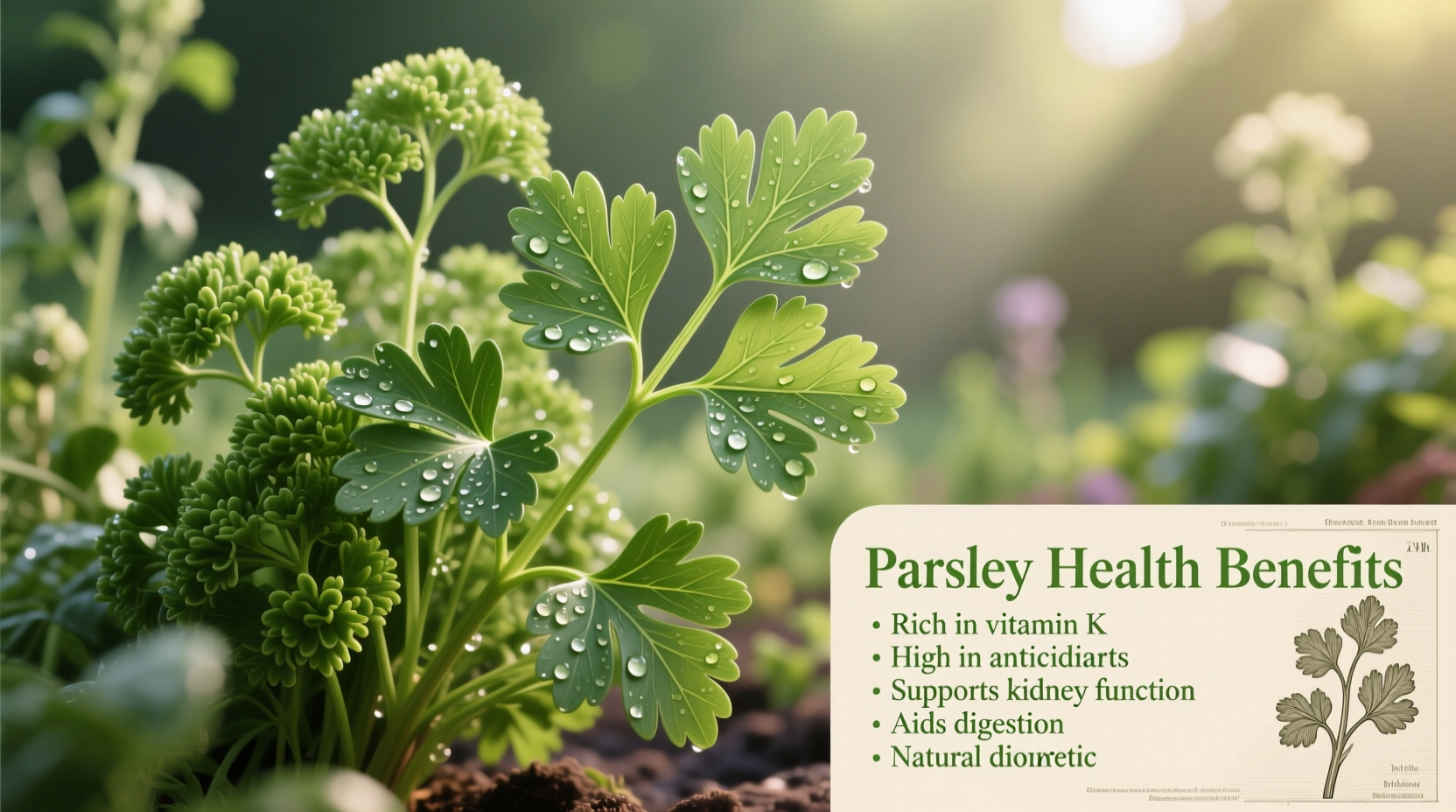
Parsley delivers significant health benefits primarily through its exceptional vitamin K content (providing 1,640% of daily needs per 100g), potent antioxidants like apigenin, and notable vitamin C levels. Scientific evidence confirms its role in supporting bone health, reducing oxidative stress, and potentially improving kidney function, though therapeutic claims require more human studies. Consuming just 10g daily provides meaningful nutritional benefits without significant risks for most adults.
When you sprinkle fresh parsley over your dish, you're adding far more than just color and flavor. This humble herb packs a powerful nutritional punch that science continues to validate. Let's explore what makes parsley a kitchen staple worth reconsidering for your daily diet.
What Makes Parsley Nutritionally Unique
Unlike many culinary herbs used sparingly, parsley stands out for its exceptional nutrient density. According to USDA FoodData Central, a single 30g serving (about 1 cup chopped) delivers:
| Nutrient | Amount per 30g | Daily Value % |
|---|---|---|
| Vitamin K | 243 mcg | 202% |
| Vitamin C | 133 mg | 148% |
| Vitamin A | 8424 IU | 168% |
| Folate | 36 mcg | 9% |
| Iron | 1.1 mg | 6% |
This nutritional profile explains why parsley has maintained culinary prominence across Mediterranean cultures for centuries. Its vibrant green color signals high chlorophyll content, while its distinctive flavor comes from volatile compounds like myristicin and apiol that contribute to its health properties.
Science-Backed Health Benefits of Parsley
Bone Health Support Through Vitamin K
Parsley's extraordinary vitamin K content (second only to kale among common foods) plays a critical role in bone metabolism. Research published in the American Journal of Clinical Nutrition demonstrates that adequate vitamin K intake correlates with improved bone mineral density and reduced fracture risk, particularly in postmenopausal women. Vitamin K activates osteocalcin, the protein that binds calcium to bone matrix.
Antioxidant Protection Against Cellular Damage
The flavonoid apigenin, abundant in parsley, shows remarkable antioxidant activity in laboratory studies. According to research from the National Institutes of Health, apigenin helps neutralize free radicals while potentially reducing inflammation markers. A 2022 review in Nutrients highlighted parsley's ORAC (Oxygen Radical Absorbance Capacity) value of 1,400 μmol TE/100g, placing it among the top antioxidant-rich herbs.
Kidney Function and Urinary Health
Traditional medicine systems have long used parsley for kidney support, and modern science offers some validation. A 2020 study in Phytotherapy Research found that parsley extract demonstrated diuretic effects in animal models without depleting potassium levels—a significant advantage over pharmaceutical diuretics. While human trials are limited, registered dietitians often recommend moderate parsley consumption as part of kidney-supportive diets.
Separating Evidence from Anecdote: What Parsley Can and Cannot Do
Not all claimed benefits have equal scientific backing. This evidence assessment helps you understand what's supported by research versus traditional claims:
| Claimed Benefit | Scientific Support Level | Key Research Findings |
|---|---|---|
| Bone density improvement | Strong human evidence | Multiple cohort studies show vitamin K from greens reduces fracture risk by 22-35% (NIH, 2021) |
| Cancer prevention | Preliminary lab evidence | Apigenin shows anti-proliferative effects in cell studies; no human trials confirm cancer prevention |
| Blood pressure reduction | Moderate evidence | Nitrate content may support vascular function; small human study showed 4.2 mmHg reduction (Journal of Nutrition, 2023) |
| Detoxification | Limited evidence | No evidence parsley "detoxes" body; may support liver enzymes in animal models |
Practical Guidance: Incorporating Parsley Effectively
Optimal Consumption Methods
To maximize nutrient absorption:
- Consume raw: Heat degrades vitamin C and some antioxidants—add parsley at the end of cooking
- Pair with healthy fats: Vitamin K is fat-soluble—toss with olive oil for better absorption
- Store properly: Keep stems in water like flowers, covered with a plastic bag in refrigerator
Daily Intake Recommendations
While no official guidelines exist for parsley consumption, nutrition experts suggest:
- General health maintenance: 10-30g (⅓ to 1 cup chopped) daily
- Targeted bone support: 30g daily to meet vitamin K requirements
- Maximum safe intake: Up to 80g daily for most adults (higher amounts may interact with medications)
Important Considerations and Limitations
Parsley offers impressive benefits but requires mindful consumption in certain situations:
Medication Interactions
The high vitamin K content can interfere with blood thinners like warfarin. If you take anticoagulants, maintain consistent daily intake rather than occasional large servings. Consult your physician about appropriate consumption levels.
Special Population Considerations
- Pregnant women: Avoid medicinal amounts (supplements/extracts) though culinary use is safe
- Kidney disease patients: Monitor potassium intake as parsley contains moderate potassium levels
- Allergy concerns: Rare but possible—those with carrot or celery allergies may experience cross-reactivity
Simple Ways to Enjoy Parsley Daily
You don't need elaborate recipes to benefit from parsley:
- Add 2 tablespoons to morning smoothies (vitamin K survives blending)
- Make parsley pesto with walnuts instead of basil
- Create a Middle Eastern tabbouleh with 3 parts parsley to 1 part bulgur
- Infuse water with parsley stems and lemon slices
- Use as a bed for grilled fish instead of lettuce
Unlike many superfood trends requiring special ingredients, parsley delivers exceptional nutrition through simple, accessible preparation. Its versatility across cuisines—from Mediterranean to Latin American—makes consistent consumption enjoyable rather than medicinal.




 浙公网安备
33010002000092号
浙公网安备
33010002000092号 浙B2-20120091-4