
Ginger plants have become an integral part of Hawaii's lush landscape, adding vibrant color and tropical fragrance to gardens across the islands. The warm, humid conditions with consistent rainfall create an ideal environment for various ginger species to flourish. Understanding which varieties perform best in Hawaii's specific conditions can transform your gardening experience from frustrating to flourishing.
Popular Ginger Varieties in Hawaii
Hawaii hosts numerous ginger species, each with unique characteristics suited to different garden applications. The islands' diverse microclimates allow for successful cultivation of both ornamental and culinary ginger varieties. Research from the University of Hawaii's College of Tropical Agriculture and Human Resources confirms that growth rates vary significantly across microclimates, with windward regions yielding 30% faster rhizome development due to consistent moisture availability.
| Ginger Variety | Scientific Name | Height | Key Characteristics | Best Islands for Growth | Growth Rate (UH CTAHR Data) |
|---|---|---|---|---|---|
| Red Ginger | Alpinia purpurata | 6-12 ft | Bright red cone-shaped blooms, tropical appearance | All islands, especially windward sides | 12-18 months to maturity |
| White Ginger | Hedychium coronarium | 6-8 ft | Fragrant white flowers, invasive in some areas | Big Island, Kauai, Maui | 10-14 months (spreads 3ft/year) |
| Yellow Ginger | Hedychium flavescens | 5-8 ft | Yellow flowers, highly invasive | Restricted growth on all islands | Banned statewide since 2004 |
| Culinary Ginger | Zingiber officinale | 2-4 ft | Rhizomes for cooking, green foliage | All islands with proper drainage | 8-10 months (optimal harvest) |
| Pink Porcelain Lily | Etlingera elatior | 8-15 ft | Striking pink flowers, dramatic appearance | Windward Oahu, Kauai, Hilo area | 18-24 months to flowering |
Source: University of Hawaii at Mānoa College of Tropical Agriculture and Human Resources (CTAHR), Ginger Production in Hawaii (2023)
Ginger Cultivation Timeline in Hawaii
The introduction and adaptation of ginger species follows a distinct historical progression that informs modern cultivation practices:
- Pre-1778: No native ginger species existed in Hawaii prior to Polynesian settlement
- 1790s: Early Polynesian voyagers introduced Zingiber officinale for medicinal and culinary use
- 1820s: Missionaries brought Hedychium coronarium (white ginger), initially for ornamental purposes
- 1920s: Commercial red ginger (Alpinia purpurata) cultivation began for lei making and export
- 1950s: Yellow ginger (Hedychium flavescens) accidentally introduced, later declared invasive
- 2004: Hawaii Department of Agriculture implemented statewide ban on yellow ginger propagation
- Present: Strict regulations govern white ginger cultivation in sensitive watersheds per DLNR guidelines
This evolution demonstrates how ecological awareness has shaped current best practices. Historical records from Bishop Museum's ethnobotanical archives confirm that early Polynesian varieties were primarily used for medicinal purposes before ornamental applications developed.
Growing Conditions for Hawaii Ginger Plants
Hawaii's volcanic soil provides excellent drainage that ginger plants require, but proper site selection remains crucial for optimal growth. While the islands' climate generally supports ginger cultivation, understanding specific microclimates can make the difference between average and exceptional results when growing hawaii ginger plants.
Most ginger varieties prefer partial shade, particularly in Hawaii's intense afternoon sun. The eastern (windward) sides of the islands typically provide the ideal combination of filtered sunlight and higher humidity that ginger plants love. When planting ginger in hawaii, select locations protected from strong winds which can damage the delicate leaves and flowers. Critical context boundaries exist: Culinary ginger fails above 2,500 feet elevation due to cooler temperatures, while red ginger becomes chlorotic in leeward areas with less than 60 inches annual rainfall per UH extension studies.
Planting and Care Requirements
Successfully growing ginger in Hawaii begins with proper planting techniques. The best time to plant ginger in Hawaii is during the warmer, wetter months from April through October when the soil temperature consistently stays above 70°F. Select healthy rhizomes with multiple eyes (growth points) and plant them 2-4 inches deep with the eyes facing upward.
Watering requirements for hawaii ginger plant care demand consistency without saturation. While ginger appreciates regular moisture, Hawaii's heavy rainfall periods can lead to rhizome rot if drainage is inadequate. During drier months, water deeply 2-3 times weekly. Mulching with organic material helps maintain consistent soil moisture and temperature while suppressing weeds.
Fertilization should focus on balanced nutrients with emphasis on potassium and phosphorus to support flowering and rhizome development. A 10-10-10 or similar balanced fertilizer applied monthly during the growing season provides adequate nutrition for most ginger varieties in hawaii.
Managing Pests and Diseases
Ginger plants in Hawaii face several common challenges that require attention for healthy growth. Root rot from overwatering represents the most significant threat to ginger cultivation across the islands. Ensuring proper drainage through raised beds or amended soil prevents this potentially devastating condition.
The ginger weevil (Euhrytorrhinus gonagra) occasionally affects ginger crops, particularly culinary varieties. These small beetles bore into rhizomes, causing damage that can ruin harvests. Regular inspection and removal of affected plants helps control infestations. Natural predators like certain ant species provide some biological control in Hawaiian gardens.
Leaf spot diseases may appear during periods of excessive moisture. Proper spacing for air circulation and avoiding overhead watering during Hawaii's rainy seasons helps prevent these fungal issues. Most ginger varieties demonstrate good natural resistance to common tropical plant diseases when grown in appropriate conditions.
Harvesting Ginger in Hawaii
Understanding when to harvest ginger in hawaii depends on the variety and intended use. For culinary ginger (Zingiber officinale), the optimal harvest time arrives when the leaves begin to yellow and die back, typically 8-10 months after planting. In Hawaii's warm climate, this often occurs between November and February.
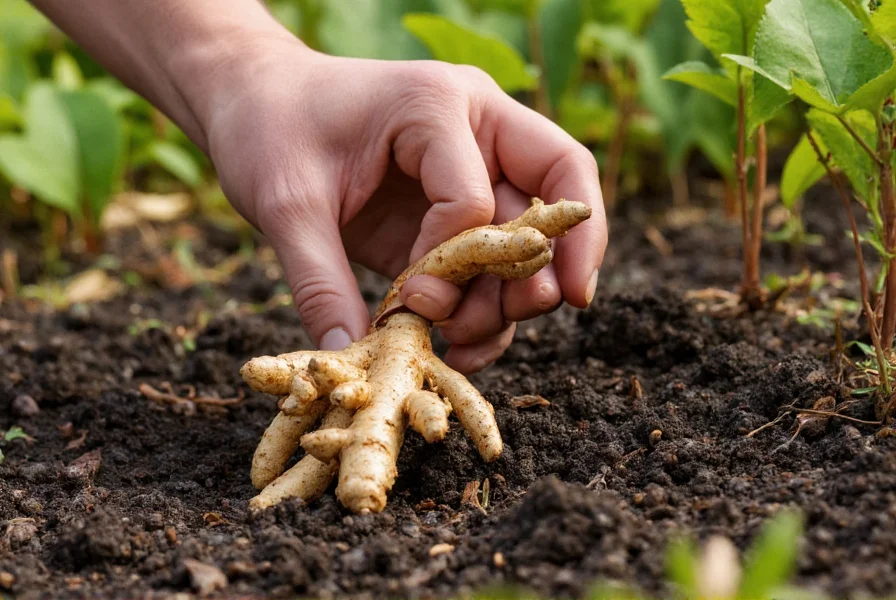
Ornamental ginger varieties rarely require harvesting, though you can divide clumps every 2-3 years to control spread and rejuvenate plants. When dividing hawaii ginger plants, select healthy rhizomes with multiple growth eyes for replanting. The best time for division coincides with the beginning of the rainy season when plants establish more readily.
Cultural Significance of Ginger in Hawaii
Ginger holds special significance in Hawaiian culture and landscape design. While not native to Hawaii, ginger plants were introduced by early Polynesian settlers and have become naturalized throughout the islands. Red ginger in particular has become emblematic of Hawaii's tropical beauty, frequently featured in lei making and floral arrangements.
In traditional Hawaiian medicine, certain ginger varieties were used for digestive issues and as a general tonic. Modern Hawaiian gardens frequently incorporate ginger plants for their aesthetic value, with many resorts and public spaces showcasing dramatic displays of red and pink ginger varieties. The Hawaii Department of Land and Natural Resources maintains strict guidelines regarding invasive species, reflecting the cultural value placed on preserving native ecosystems while honoring introduced species with historical significance.
Conclusion
Growing ginger in Hawaii offers gardeners a rewarding experience with relatively low maintenance requirements. By selecting appropriate varieties for your specific microclimate and following evidence-based hawaii ginger plant care techniques, you can enjoy these beautiful tropical plants year-round. Historical adaptation patterns and current regulatory frameworks demonstrate the importance of context-aware cultivation. Whether you're cultivating ginger for culinary use, ornamental beauty, or cultural connection, understanding the unique requirements of ginger in hawaii's environment ensures success in your gardening endeavors.




 浙公网安备
33010002000092号
浙公网安备
33010002000092号 浙B2-20120091-4