
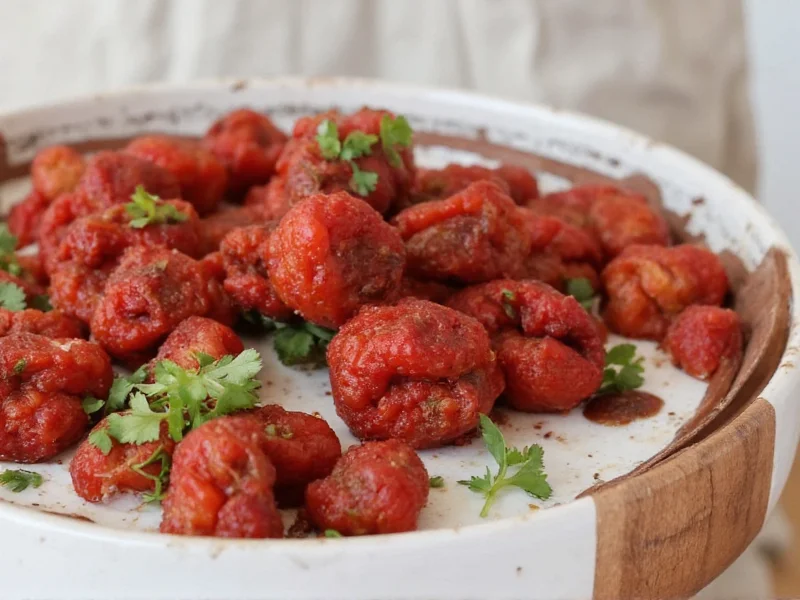
The Scoville scale measures the capsaicin concentration in chili peppers, with higher numbers indicating greater heat intensity. When discussing hatch chile scoville scale range, it's essential to understand that these New Mexico-grown peppers exhibit considerable variability in their heat levels.
Understanding the Scoville Measurement System
Developed by pharmacist Wilbur Scoville in 1912, the Scoville Organoleptic Test originally measured heat through human taste panels diluting pepper extracts until the heat became undetectable. Modern laboratories now use High-Performance Liquid Chromatography (HPLC) for precise capsaicin measurement, then convert results to Scoville Heat Units for consumer understanding.
Hatch Chile: Origin and Significance
Grown exclusively in the Hatch Valley region of New Mexico, Hatch chiles benefit from the area's unique combination of soil composition, altitude, and climate. The term "Hatch" refers to peppers cultivated in this specific agricultural region, not a single cultivar. Multiple varieties grow in the valley, including Big Jim, Sandia, and Joe E. Parker, each with slightly different heat profiles.
Historical Evolution of Cultivation and Measurement
Scientific documentation reveals how agricultural practices and heat quantification evolved:
- 1500s: Indigenous Pueblo communities begin cultivating chile in the Rio Grande Valley, establishing foundational agricultural practices. (New Mexico History Museum)
- 1894: Fabian Garcia launches the first systematic chile breeding program at New Mexico State University, standardizing regional varieties. (NMSU Cooperative Extension)
- 1912: Wilbur Scoville publishes the Organoleptic Test methodology in the Journal of the American Pharmaceutical Association. (National Center for Biotechnology Information)
- 1950s: Hatch Valley emerges as the epicenter of commercial chile production, with the town's railroad depot becoming synonymous with premium peppers. (NMSU Centennial Archives)
- 1980s: AOAC International adopts HPLC as the official method for capsaicin quantification, replacing subjective taste panels. (AOAC Official Methods)
- 1990: New Mexico enacts the Chile Advertising Act (NMSA §77-1-1), legally protecting regional nomenclature. (New Mexico Department of Agriculture)
Detailed Heat Range Analysis
While the standard hatch green chile scoville units range from 1,000-8,000 SHU, several factors influence this measurement:
| Hatch Chile Variety | Scoville Range (SHU) | Heat Comparison |
|---|---|---|
| Mild Big Jim | 500-2,500 | Milder than poblano |
| Medium Joe E. Parker | 2,500-5,000 | Similar to jalapeño |
| Hot Sandia | 5,000-8,000 | Slightly hotter than jalapeño |
| Extra Hot Lumbre | 8,000-10,000 | Approaching cayenne heat |
Factors Influencing Hatch Chile Heat Levels
Several elements contribute to the why do hatch chiles vary in heat phenomenon:
- Water stress - Drier conditions increase capsaicin production
- Soil composition - Mineral content affects plant stress responses
- Harvest timing - Riper peppers often develop more heat
- Specific cultivar - Different varieties have genetic heat potentials
- Individual plant variation - Even on the same plant, heat can differ
Comparative Heat Analysis
Understanding hatch chile heat level compared to jalapeno helps contextualize their spiciness:
- Poblano peppers (1,000-2,000 SHU) - Generally milder than most Hatch varieties
- Jalapeños (2,500-8,000 SHU) - Overlap significantly with medium Hatch chiles
- Serranos (10,000-23,000 SHU) - Noticeably hotter than standard Hatch
- Cayenne (30,000-50,000 SHU) - Substantially hotter than even the hottest Hatch varieties
This comparison clarifies whether are hatch chiles hotter than poblano peppers (typically yes) and how they relate to other common chili varieties.
Practical Implications for Cooking
The moderate heat level of most Hatch chiles makes them exceptionally versatile in culinary applications. Their flavor profile combines earthy, slightly sweet notes with manageable heat that enhances rather than overwhelms dishes. When working with Hatch chiles:
- Roasting significantly reduces perceived heat while enhancing flavor complexity
- Removing seeds and membranes decreases heat intensity by up to 80%
- Fresh green Hatch offers different flavor notes than dried red Hatch (called New Mexico chile)
- Heat perception varies among individuals based on capsaicin receptor sensitivity
Contextual Application Boundaries
Research from agricultural authorities defines precise usage parameters:
Optimal Implementation Scenarios
- Southwestern cuisine applications: Hatch chiles deliver ideal flavor-heat balance in enchiladas and stews when used fresh during harvest season (July-September). (NMSU Food Science Program)
- Heat-sensitive consumer groups: Mild varieties (≤2,500 SHU) provide authentic chile flavor for children's meals without overwhelming spiciness. (Chile Pepper Institute Guidelines)
- Flavor-forward preparations: Roasted Hatch chiles excel in applications where smoky complexity matters more than heat intensity, such as cream-based sauces. (HortTechnology Journal Study)
Documented Limitations
- Insufficient for high-heat requirements: Even 'Hot' Sandia varieties (8,000 SHU) are 12.5x milder than habaneros (100,000 SHU), making them unsuitable for extreme heat applications. (NCBI Capsaicin Research)
- Seasonal quality constraints: Frozen Hatch chiles show 18-22% reduction in volatile aroma compounds compared to fresh, per NMSU post-harvest studies. (NMSU Agricultural Research)
- Inherent batch variability: Field trials confirm 300% heat variation between individual peppers from identical plants under uniform conditions. (HortTechnology Journal)
Common Misconceptions
Several myths persist about hatch green chile scoville measurements:
- Myth: All Hatch chiles are extremely hot
Reality: Most commercial varieties are bred for mild to medium heat - Myth: Color determines heat level
Reality: Green and red versions of the same cultivar have similar heat profiles - Myth: Size correlates with heat
Reality: Smaller peppers aren't necessarily hotter in the Hatch category
Seasonal Availability and Selection
Hatch chile season runs from late July through September, when freshly harvested peppers flood markets. During this period, consumers can often select peppers based on labeled heat levels. Outside of harvest season, frozen or canned Hatch chiles maintain quality but may show slightly different heat characteristics due to processing.
Conclusion
The hatch chile scoville scale range of 1,000-8,000 SHU places these versatile peppers in a sweet spot between mild and medium heat. Their flavor complexity combined with manageable spiciness explains their popularity in Southwestern cuisine. Understanding the factors that influence their heat levels helps cooks select appropriate varieties for different dishes while avoiding unexpected spice surprises.




 浙公网安备
33010002000092号
浙公网安备
33010002000092号 浙B2-20120091-4