
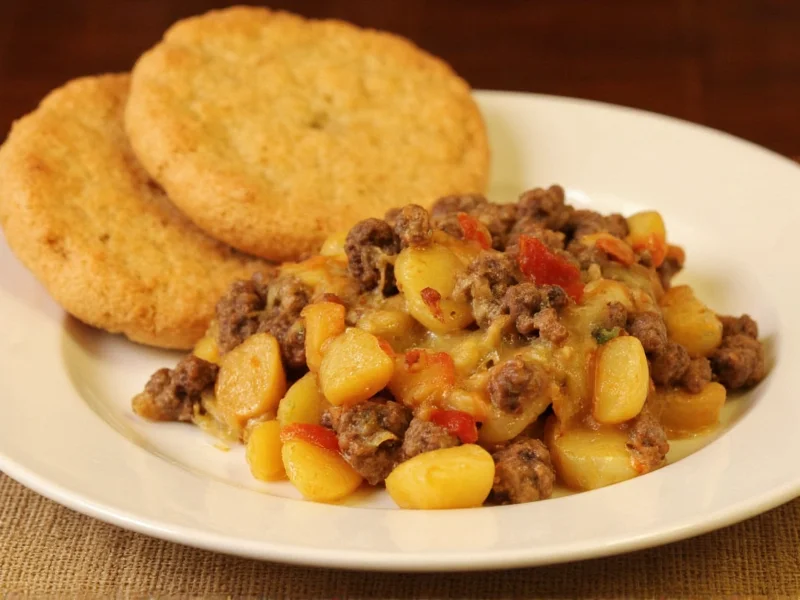
Yes, you can make a delicious hamburger potato casserole without canned soup using simple pantry ingredients. The key is creating a homemade sauce with milk, cheese, and seasonings to replace the soup while maintaining that creamy texture. This soup-free version typically requires ground beef, sliced or diced potatoes, onions, cheese, milk or cream, and basic seasonings—ready in about 60 minutes with 15 minutes of prep time.
Many home cooks seek alternatives to the classic hamburger potato casserole that relies on canned soup. Whether you're avoiding processed ingredients, want better flavor control, or simply don't have soup on hand, this homemade version delivers superior taste and texture. Creating a hamburger potato casserole without soup isn't just possible—it's often more flavorful and satisfying than the traditional recipe.
The Science Behind Soup-Free Casseroles
Traditional casserole recipes often use condensed soup as a convenient sauce base. When making a hamburger potato casserole without soup, understanding what the soup contributes helps you create an effective substitute. Canned soup provides three key elements: liquid, thickening agents, and flavor. Your homemade version needs to replicate these components using fresh ingredients.
A successful soup-free casserole relies on a roux (butter and flour mixture) combined with milk or broth to create the creamy base. Cheese adds richness while onions and garlic provide depth of flavor. The potatoes release starch as they cook, naturally thickening the mixture—a process that canned soup attempts to replicate artificially.
Complete Homemade Recipe
This easy hamburger potato casserole without soup serves 6-8 people and requires basic kitchen equipment. Unlike recipes dependent on canned soup, this version lets you control sodium levels and ingredient quality.
Ingredients You'll Need
- 1.5 lbs ground beef (85% lean for best flavor)
- 4 cups thinly sliced potatoes (Yukon Gold recommended)
- 1 large onion, finely chopped
- 2 cloves garlic, minced
- 2 tbsp butter
- 2 tbsp all-purpose flour
- 1.5 cups milk (whole milk for creamiest results)
- 1 cup shredded cheddar cheese
- 1 tsp Worcestershire sauce
- 1 tsp dried thyme
- Salt and black pepper to taste
- 1/2 cup breadcrumbs or crushed crackers for topping
Step-by-Step Instructions
- Brown ground beef with onions and garlic in a skillet over medium heat. Drain excess fat.
- Preheat oven to 375°F (190°C) and grease a 9x13 inch baking dish.
- Arrange half the potatoes in the dish, season with salt and pepper.
- Add the cooked beef mixture on top of the potatoes.
- Melt butter in a saucepan, whisk in flour to create a roux, cook for 1 minute.
- Gradually add milk while whisking constantly until smooth and slightly thickened.
- Remove from heat, stir in cheese, Worcestershire sauce, thyme, salt, and pepper.
- Pour half the sauce over the beef layer, then add remaining potatoes.
- Pour remaining sauce over potatoes, sprinkle with breadcrumbs.
- Cover with foil and bake for 40 minutes, then uncover and bake 15-20 minutes until potatoes are tender and top is golden.
Why This Recipe Works Better Than Soup-Based Versions
Creating a hamburger potato casserole without condensed soup offers several advantages. The homemade sauce allows for better flavor customization—you control the salt level, can adjust herbs to your preference, and avoid preservatives. Fresh ingredients create a more complex flavor profile than the one-note taste of canned soup.
Texture is another benefit. Canned soup often makes casseroles either too watery or unnaturally thick. With this from scratch hamburger casserole method, the natural starch from potatoes combines with the roux to create the perfect consistency. The cheese adds richness without making the dish greasy, a common problem with some soup-based recipes.
| Ingredient | Traditional Soup Version | Homemade Soup-Free Version |
|---|---|---|
| Sauce Base | Canned condensed soup | Homemade roux with milk and cheese |
| Sodium Content | High (600-800mg per serving) | Adjustable (300-400mg per serving) |
| Flavor Complexity | One-dimensional | Layered with customizable seasonings |
| Texture Control | Often too thick or thin | Predictable and consistent |
| Ingredient Quality | Processed with preservatives | Fresh, whole ingredients |
Ingredient Substitutions and Variations
This versatile recipe accommodates various dietary needs while maintaining the comforting essence of a classic hamburger potato casserole without soup.
Dietary Modifications
- Gluten-free: Replace flour with cornstarch or arrowroot powder in the roux
- Dairy-free: Use plant-based milk and cheese alternatives
- Lower fat: Substitute ground turkey for beef and use low-fat milk
- Vegetarian: Use plant-based ground "meat" and vegetable broth
Flavor Variations
- Add 1/2 cup diced bell peppers with the onions for extra color and nutrients
- Swap cheddar for pepper jack cheese for a spicy kick
- Mix in 1/2 cup frozen peas or corn for added vegetable content
- Top with crispy bacon bits before serving for extra flavor
Common Mistakes to Avoid
When making a hamburger potato casserole without soup, certain pitfalls can compromise your results. Understanding these helps ensure success with your from scratch hamburger casserole.
Unevenly cooked potatoes: Slice potatoes uniformly (1/8 inch thick) for even cooking. Thicker slices won't soften properly during baking time. A mandoline slicer ensures consistent thickness.
Sauce that's too thin: If your homemade sauce seems runny, cook the roux slightly longer before adding milk. The mixture should coat the back of a spoon when properly thickened.
Dry casserole: Potatoes release moisture as they cook, but if your casserole seems dry before baking, add 1/4 cup extra milk to the sauce. Remember that potatoes continue releasing moisture during baking.
Serving Suggestions and Storage Tips
This easy potato and hamburger bake pairs beautifully with simple side dishes that complement its hearty nature without overwhelming flavors.
- Serve with a crisp green salad to balance the richness
- Steamed green beans or roasted broccoli make excellent vegetable sides
- A dollop of sour cream or Greek yogurt adds tanginess
- Fresh bread or rolls perfect for soaking up any extra sauce
For leftovers, store cooled casserole in an airtight container in the refrigerator for up to 4 days. Reheat individual portions in the microwave with a splash of milk to restore moisture, or cover the entire dish with foil and reheat in a 325°F oven for 20-25 minutes.
Freeze portions in individual containers for up to 3 months. Thaw overnight in the refrigerator before reheating. The soup-free version actually freezes better than canned soup versions, as the sauce maintains its texture after thawing.




 浙公网安备
33010002000092号
浙公网安备
33010002000092号 浙B2-20120091-4