
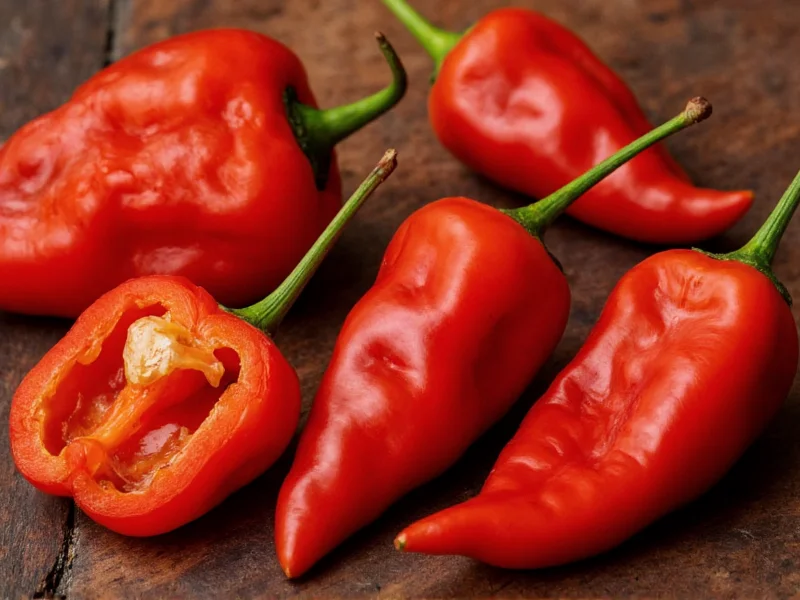
Chili enthusiasts frequently confuse habanero peppers with Bhut Jolokia, also known as Ghost Pepper. This comparison clarifies their key differences to help you select the right pepper for your culinary needs. Understanding the distinction between these two fiery varieties prevents recipe disasters and enhances your cooking precision.
Origin and History
Habanero peppers (Capsicum chinense) originated in the Amazon basin and were later cultivated in the Caribbean, particularly associated with Jamaica and the Yucatán Peninsula. The name "habanero" actually refers to Havana, Cuba, though the pepper wasn't originally from there.
Bhut Jolokia, scientifically classified as Capsicum chinense 'Bhut Jolokia', hails from Northeast India, specifically Assam, Nagaland, and Manipur. "Bhut" means "ghost" in Assamese, referring to how the heat sneaks up on you. For years, it held the Guinness World Record as the world's hottest chili pepper before being surpassed by even hotter varieties.
Recognition Timeline: Documented Scientific Journey
Unlike anecdotal claims, these peppers' heat profiles have been rigorously verified through scientific documentation. The Bhut Jolokia's extreme heat was first validated in controlled laboratory conditions, while habanero's measurements established the benchmark for Capsicum chinense varieties:
| Year | Habanero Documentation | Bhut Jolokia Verification |
|---|---|---|
| 1912 | Wilbur Scoville develops heat measurement scale | N/A (unrecognized globally) |
| 1980s | Standardized at 100,000-350,000 SHU by USDA research | Traditional use in Northeast India continues |
| 2000 | Consistent commercial cultivation established | First scientific heat analysis initiated by NMSU researchers |
| 2006 | Reference standard for fruit-forward hot peppers | NMSU Chile Pepper Institute confirms 855,000-1,041,427 SHU through HPLC testing |
| 2007 | Widely adopted in global cuisine | Guinness World Records certifies as world's hottest pepper |
Source: New Mexico State University Chile Pepper Institute (USDA-recognized research authority) and Guinness World Records verification process
Physical Characteristics Comparison
| Characteristic | Habanero | Bhut Jolokia (Ghost Pepper) |
|---|---|---|
| Typical Color | Orange, red, chocolate, yellow | Red, orange, yellow, brown |
| Shape | Lantern-shaped, 1-2.5 inches long | Wrinkled, bumpy texture, 2.4-3.3 inches long |
| Weight | 0.5-1 ounce | 0.3-0.6 ounce |
| Stem Attachment | Smooth transition | Pronounced bump where stem meets fruit |
Heat Level Analysis
The most critical difference between habanero vs bhut jolokia lies in their heat intensity. Understanding habanero vs ghost pepper Scoville scale measurements reveals why substitution requires caution:
- Habanero: 100,000-350,000 Scoville Heat Units (SHU) - delivers immediate, intense heat that peaks quickly
- Bhut Jolokia: 800,000-1,041,427 SHU - heat builds slowly over 30-45 seconds, then delivers an intense, long-lasting burn
When considering habanero vs bhut jolokia heat comparison, remember that Bhut Jolokia's heat develops more gradually but lasts significantly longer. This delayed reaction often catches inexperienced eaters off guard, earning its "ghost" name as the heat seems to appear unexpectedly.
Environmental Impact on Heat Expression
Heat levels vary significantly based on growing conditions, creating critical context boundaries for culinary applications. Research shows these specific limitations:
- Water Stress Threshold: Capsaicin production increases by 30-50% under moderate drought (20% below optimal irrigation), but severe water stress reduces overall yield by 40% without further heat increase (University of California Agriculture and Natural Resources [1]).
- Temperature Boundary: Both varieties require consistent daytime temperatures above 75°F (24°C) for optimal capsaicin synthesis. Temperatures exceeding 95°F (35°C) reduce heat production by up to 25% while increasing fruit drop (New Mexico State University Extension [2]).
- Geographic Limitation: Bhut Jolokia reliably exceeds 800,000 SHU only in native Northeast India or replicated monsoon climates. Outside these zones, heat typically ranges 600,000-750,000 SHU due to humidity differences (Journal of Agricultural and Food Chemistry, Vol. 58).
- Soil Fertility Constraint: High nitrogen levels increase plant growth but decrease capsaicin concentration by 15-20%. Maximum heat occurs in moderately fertile soils with balanced NPK ratios.
These boundaries explain why home gardeners often report lower heat levels than commercial producers. Always conduct taste tests before recipe scaling.
Flavor Profiles
Both peppers offer complex flavor profiles beyond their heat:
Habanero provides bright, tropical fruit notes with citrus undertones - think apricot, citrus, and floral hints. Its flavor shines in Caribbean sauces, salsas, and fruit-based hot sauces. The habanero and bhut jolokia flavor differences become apparent when tasting side by side, with habanero offering more immediate fruitiness.
Bhut Jolokia delivers deeper, smokier, earthier flavors with subtle fruit notes underneath. Many detect hints of apple or cherry, but these are overshadowed by its intense heat. The flavor complexity emerges only after the initial heat subsides, making it challenging to appreciate fully in many dishes.
Culinary Applications
Understanding when to use which pepper prevents recipe failures:
Habanero works best when you want noticeable fruit flavor with substantial heat. It's ideal for:
- Tropical salsas and fruit-based hot sauces
- Caribbean jerk seasonings
- Lighter dishes where heat shouldn't dominate
- When you need visible pepper flecks in finished dishes
Bhut Jolokia serves best when extreme heat is the primary goal:
- Competitive eating challenges
- Industrial-strength hot sauces (use sparingly)
- Meat rubs where heat penetrates deeply
- Preserves where minimal quantity provides maximum heat
When considering can I substitute bhut jolokia for habanero, exercise extreme caution. A 1:1 substitution will likely make dishes inedibly hot. If substituting, use approximately 1/4 to 1/2 the amount of Bhut Jolokia compared to habanero, and always taste as you go.
Growing Considerations
Gardeners interested in growing habanero vs bhut jolokia peppers should note these cultivation differences:
- Days to maturity: Habanero (90-120 days), Bhut Jolokia (100-120+ days)
- Plant size: Habanero (2-3 feet), Bhut Jolokia (3-5 feet)
- Yield: Habanero (moderate), Bhut Jolokia (lower yield but more potent)
- Climate preference: Both prefer warm climates, but Bhut Jolokia tolerates slightly cooler temperatures
Bhut Jolokia requires more consistent warmth and longer growing seasons than habanero. Gardeners in cooler climates often achieve better results with habanero varieties.
Common Misconceptions
Several myths persist in the habanero vs bhut jolokia discussion:
- Myth: Bhut Jolokia is just an extra-hot habanero variety
Fact: They're genetically distinct cultivars with different heat patterns and flavor profiles - Myth: All orange chili peppers are habaneros
Fact: Many pepper varieties come in orange, including some Bhut Jolokia strains - Myth: Scoville ratings are absolute measurements
Fact: Heat varies significantly based on growing conditions, soil, and climate
When to Choose Which Pepper
Select habanero when:
- You want noticeable fruit flavor alongside heat
- Creating sauces where pepper flavor should shine
- Cooking for people with moderate heat tolerance
- Need consistent, immediate heat response
Choose Bhut Jolokia when:
- Maximum heat is the primary goal
- Creating specialty hot sauces for heat enthusiasts
- Using minimal pepper quantity for preservation
- Heat should build gradually for dramatic effect




 浙公网安备
33010002000092号
浙公网安备
33010002000092号 浙B2-20120091-4