
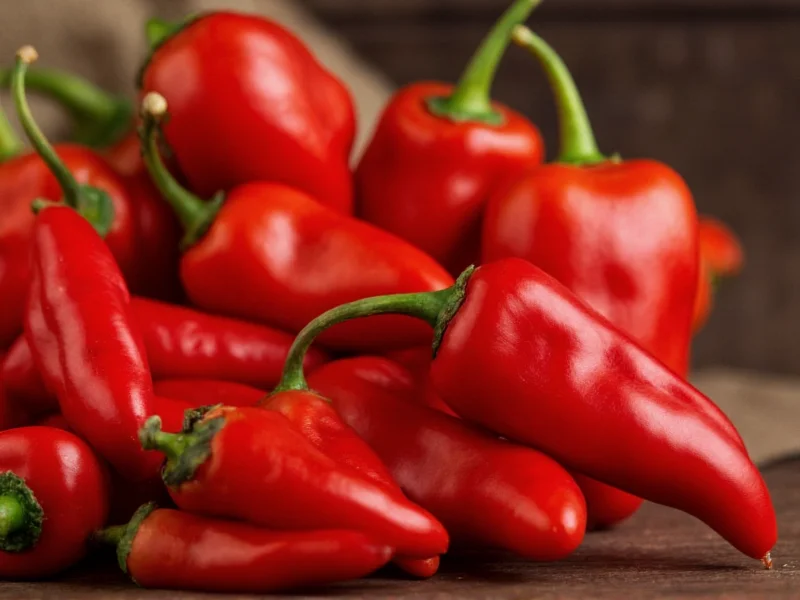
The Scoville scale, developed by pharmacist Wilbur Scoville in 1912, remains the standard measurement for chili pepper heat intensity. Understanding where habaneros fall on this spectrum helps cooks and spice enthusiasts make informed decisions about their use in recipes. Unlike milder peppers with narrow heat ranges, habaneros exhibit significant variability that affects culinary applications.
Understanding Habanero Heat Levels
Habaneros belong to the Capsicum chinense species, known for intense heat and distinctive fruity flavor profiles. While the standard orange habanero typically hits 100,000-350,000 SHU, specific varieties show notable differences:
| Habanero Variety | Scoville Heat Range (SHU) | Flavor Profile |
|---|---|---|
| Standard Orange Habanero | 100,000-350,000 | Fruity, citrusy, floral |
| Red Savina Habanero | 350,000-580,000 | Sweeter, more intense heat |
| Chocolate Habanero | 425,000-450,000 | Smoky, earthy, complex |
| White Habanero | 100,000-200,000 | Clean, bright, slightly milder |
How Habaneros Compare to Other Peppers
Understanding habanero scoville level requires context within the broader chili pepper spectrum. The following comparison illustrates where habaneros sit relative to familiar peppers:
| Pepper Type | Scoville Heat Range (SHU) | Heat Relative to Habanero |
|---|---|---|
| Bell Pepper | 0 | 0x (No heat) |
| Jalapeño | 2,500-8,000 | 12-40x milder |
| Serrano | 10,000-23,000 | 4-35x milder |
| Habanero | 100,000-350,000 | Baseline |
| Ghost Pepper | 855,000-1,041,427 | 2.4-10.4x hotter |
| Carolina Reaper | 1,400,000-2,200,000 | 4-22x hotter |
Factors Influencing Habanero Heat Variability
Several elements contribute to the wide habanero scoville range:
- Genetic variation: Different habanero strains naturally produce varying capsaicin levels
- Growing conditions: Soil composition, temperature fluctuations, and water stress significantly impact heat production
- Ripeness: Fully ripe red or orange habaneros often register higher on the scoville scale than green immature peppers
- Plant position: Peppers growing in direct sunlight typically develop more capsaicin than shaded counterparts
- Individual fruit differences: Even on the same plant, heat levels can vary dramatically between peppers
Practical Implications of Habanero Heat Level
The substantial habanero scoville rating carries important considerations for culinary use:
When working with these potent peppers, always wear gloves to prevent capsaicin transfer to sensitive areas. The heat compounds concentrate in the placental tissue (the white ribs inside the pepper), so removing these reduces overall spiciness while preserving flavor. Never cook habaneros in boiling water, as this releases capsaicin vapors that can cause respiratory irritation.
Chefs often recommend starting with 1/4 to 1/2 of a habanero for a standard recipe serving four people. The distinctive floral, citrus notes characteristic of habaneros balance their intense heat, making them valuable in Caribbean, Yucatecan, and modern fusion cuisines. When substituting habaneros in recipes, remember that one habanero typically equals 12-15 jalapeños in heat intensity.
Habanero Use: Appropriate Contexts and Limitations
While habaneros add distinctive flavor to many dishes, their intense heat requires careful consideration of context:
- Ideal Applications: Caribbean jerk sauces, Yucatecan recados, tropical salsas, and craft hot sauces where the fruity-citrus notes complement the heat. They perform best when seeds and ribs are partially removed to modulate intensity.
- Health Considerations: Individuals with irritable bowel syndrome (IBS) or gastroesophageal reflux disease (GERD) should avoid habaneros, as capsaicin can exacerbate symptoms. The Mayo Clinic advises that "spicy foods are a common trigger for heartburn and acid reflux." (Mayo Clinic, GERD Guide)
- Age Restrictions: Not recommended for children under 12, as their developing palates and digestive systems are more sensitive to capsaicin. The American Academy of Pediatrics notes that "very spicy foods can cause discomfort and should be introduced gradually in older children." (HealthyChildren.org)
- Handling Precautions: Always use gloves when cutting habaneros. Capsaicin can cause severe skin and eye irritation, as documented by occupational safety guidelines for handling capsaicin-containing compounds. (NIOSH Pocket Guide)
Measuring Pepper Heat: Beyond the Scoville Scale
While the habanero scoville level provides a useful reference, modern laboratories now use High-Performance Liquid Chromatography (HPLC) for precise capsaicin measurement. This scientific method quantifies actual capsaicinoid concentration, then converts to Scoville units using a standardized formula. The original Scoville Organoleptic Test relied on human tasters diluting pepper extract until heat became undetectable—a subjective approach that explains some historical inconsistencies in pepper heat ratings.
Evolution of Habanero Heat Measurement
Habaneros originated in the Amazon basin before spreading to the Caribbean. The name "habanero" references Havana, Cuba, though the pepper actually developed in the Yucatán Peninsula. For centuries, these peppers were primarily used in regional cuisines without standardized heat measurement. The introduction of the Scoville scale in 1912 provided the first systematic approach to quantifying habanero heat level, though early measurements lacked today's precision. Modern agricultural practices have stabilized some varieties while creating new hybrids with predictable habanero scoville ratings.
The methods for quantifying habanero heat have evolved significantly. Key developments include:
- 1912: Pharmacist Wilbur Scoville introduces the Scoville Organoleptic Test, using human tasters to determine heat levels by dilution. This method, though subjective, becomes the industry standard for decades. (Chile Pepper Institute)
- 1980s: High-Performance Liquid Chromatography (HPLC) is adopted by researchers for objective measurement of capsaicinoids, providing precise chemical analysis. This technology gradually replaces the subjective tasting panels. (Journal of Agricultural and Food Chemistry, 1977)
- 2016: The American Spice Trade Association (ASTA) updates its guidelines to standardize HPLC-to-Scoville conversions, improving consistency in heat ratings across the industry. (ASTA Official Analytical Method 21)




 浙公网安备
33010002000092号
浙公网安备
33010002000092号 浙B2-20120091-4