
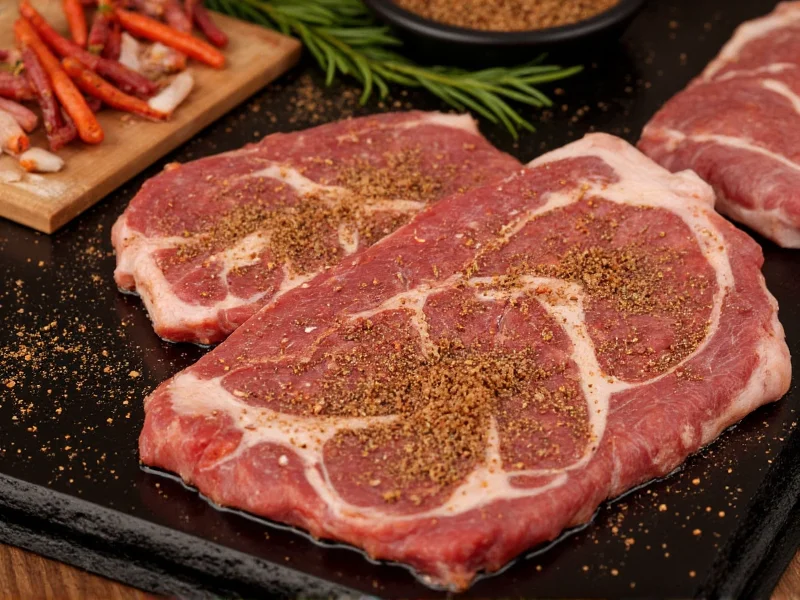
The essential ingredients for authentic gyro meat seasoning are: dried oregano, garlic powder, onion powder, ground cinnamon, ground cumin, dried marjoram, dried thyme, freshly ground black pepper, and sea salt. Traditional Greek gyro seasoning typically uses a ratio of 2 parts oregano to 1 part each of garlic powder, onion powder, and cinnamon, with smaller amounts of cumin, marjoram, and thyme. For every pound of meat, use approximately 1.5 tablespoons of this spice blend combined with 2 tablespoons of olive oil to create an effective marinade that penetrates the meat properly.
Creating authentic gyro meat seasoning requires understanding both the traditional Greek spice profile and the practical application for different meats. While many commercial blends exist, crafting your own seasoning allows for customization and ensures freshness—critical factors in achieving that distinctive Mediterranean flavor profile that makes gyros so beloved worldwide.
Understanding Traditional Gyro Seasoning Components
Gyro meat seasoning isn't just a random collection of spices—it's a carefully balanced blend that creates the signature taste associated with this popular Mediterranean street food. The foundation of authentic gyro seasoning comes from ancient Greek culinary traditions, where specific herbs and spices were used to enhance meats while providing natural preservation.
Each component serves a specific purpose in the overall flavor profile:
| Spice | Primary Flavor Contribution | Traditional Percentage | Functional Purpose |
|---|---|---|---|
| Dried Oregano | Earthy, slightly bitter, aromatic | 30% | Signature Greek flavor base, antimicrobial properties |
| Garlic Powder | Pungent, savory, umami | 15% | Meat tenderizing, flavor depth |
| Onion Powder | Sweet, savory, complex | 15% | Flavor enhancer, caramelization during cooking |
| Ground Cinnamon | Warm, sweet, complex | 15% | Balances acidity, adds complexity |
| Ground Cumin | Earthy, warm, slightly smoky | 10% | Traditional Mediterranean spice, enhances meatiness |
| Dried Marjoram | Sweet pine, citrus notes | 7% | Complements oregano, adds brightness |
| Dried Thyme | Floral, slightly minty | 5% | Herbal complexity, traditional Greek herb |
| Freshly Ground Black Pepper | Sharp, pungent, warming | 2% | Flavor enhancer, digestive aid |
| Sea Salt | Flavor enhancer, texture modifier | 1% | Meat tenderizing, moisture retention |
Perfecting Your Homemade Gyro Meat Seasoning Recipe
While the percentages above provide a solid foundation, the perfect gyro meat seasoning requires attention to preparation details. For the most authentic results, follow this precise method for creating your homemade gyro spice blend:
Combine in a glass bowl:
- 6 tablespoons dried oregano (preferably Greek mountain oregano)
- 3 tablespoons garlic powder (not granulated)
- 3 tablespoons onion powder
- 3 tablespoons ground cinnamon (Ceylon preferred)
- 2 tablespoons ground cumin
- 1.5 tablespoons dried marjoram
- 1 tablespoon dried thyme
- 1 tablespoon freshly ground black pepper
- 2 teaspoons fine sea salt
Mix thoroughly using a whisk to ensure even distribution. The key to effective gyro meat seasoning isn't just the ingredients but how they're combined with the meat. For every pound of meat, use 1.5 tablespoons of this blend mixed with 2 tablespoons of extra virgin olive oil to create a paste that adheres well to the meat surface.
Meat-Specific Seasoning Adjustments
Traditional gyro meat seasoning varies slightly depending on the protein used. Understanding these subtle differences creates a more authentic experience:
Lamb Gyro Seasoning
Lamb's rich flavor stands up to bolder seasoning. Increase oregano by 25% and add 1/2 teaspoon of ground allspice per pound of meat. The allspice complements lamb's natural gaminess while maintaining authenticity.
Beef Gyro Seasoning
For beef-based gyros (common in American interpretations), reduce cinnamon by 20% and increase black pepper by 30%. Beef benefits from slightly more aggressive seasoning to match its stronger flavor profile.
Chicken Gyro Seasoning
Chicken requires a more delicate balance. Decrease all spices by 15% except for lemon zest (add 1 teaspoon per pound), which brightens the milder chicken flavor while staying true to Mediterranean culinary traditions.
Proper Application Techniques for Maximum Flavor
Even the best homemade gyro meat seasoning fails without proper application. Follow these professional techniques for optimal results:
Dry brining method: For every pound of meat, rub 1 teaspoon of salt into the surface and refrigerate uncovered for 12-24 hours before applying the full seasoning blend. This process enhances moisture retention and flavor penetration.
Marinating time: After applying the seasoning-oil paste, refrigerate the meat for at least 8 hours but no longer than 24 hours. Extended marinating (beyond 24 hours) can break down meat fibers too much, resulting in a mushy texture.
Layering technique: For vertical rotisserie cooking (the traditional method), layer thin slices of meat with seasoning between each layer. This creates flavor pockets that caramelize during cooking, producing the characteristic gyro meat texture.
Storage and Freshness Considerations
Homemade gyro meat seasoning maintains peak flavor for different durations depending on storage method:
- Airtight container at room temperature: 2-3 weeks (ideal for immediate use)
- Refrigerated in glass container: 6-8 weeks (recommended for most home cooks)
- Freezer in vacuum-sealed bag: 4-6 months (best for preserving volatile oils)
Always check seasoning freshness before use—rub a small amount between your fingers and smell. If the aroma is weak or musty, it's time to make a new batch. Freshly ground whole spices (then blended) will always outperform pre-ground versions in both flavor intensity and shelf life.
Common Mistakes to Avoid with Gyro Meat Seasoning
Many home cooks make these critical errors when preparing gyro meat seasoning:
- Using pre-mixed "Greek seasoning": These often contain fillers and incorrect proportions that don't match authentic gyro flavor profiles
- Over-marinating: More than 24 hours breaks down meat structure, creating undesirable texture
- Skipping the oil component: The fat carrier is essential for proper spice adhesion and flavor development
- Using old spices: Ground spices lose 50% of volatile oils within 6 months of grinding
- Incorrect salt ratio: Too little prevents proper protein extraction; too much draws out moisture
Adjusting for Personal Taste Preferences
While authenticity matters, personalizing your gyro meat seasoning creates a more enjoyable experience. Consider these adjustments based on preference:
- For milder flavor: Reduce black pepper by 50% and cinnamon by 30% while increasing marjoram by 20%
- For bolder profile: Add 1/4 teaspoon cayenne pepper and 1/2 teaspoon smoked paprika per pound of seasoning blend
- For brighter flavor: Incorporate 1 tablespoon lemon zest (dried) per cup of seasoning blend
- For sweeter profile: Increase cinnamon by 25% while reducing oregano proportionally
Remember that authentic gyro seasoning should balance earthy, herbal, warm, and savory elements—not dominated by any single note. The best blends create harmony where no single spice overpowers the others.
Traditional vs. Regional Variations
While Greek-style gyro seasoning represents the authentic standard, regional variations have developed:
- Athens style: Higher oregano content (35%), minimal cinnamon (10%)
- Thessaloniki style: More pronounced cumin (15%) and added allspice (5%)
- American diner style: Increased garlic (20%) and black pepper (15%), reduced cinnamon (8%)
- Middle Eastern influenced: Addition of cardamom (3%) and sumac (2%)
Understanding these variations helps you tailor your homemade gyro meat seasoning to match specific regional interpretations while maintaining core authenticity.




 浙公网安备
33010002000092号
浙公网安备
33010002000092号 浙B2-20120091-4