
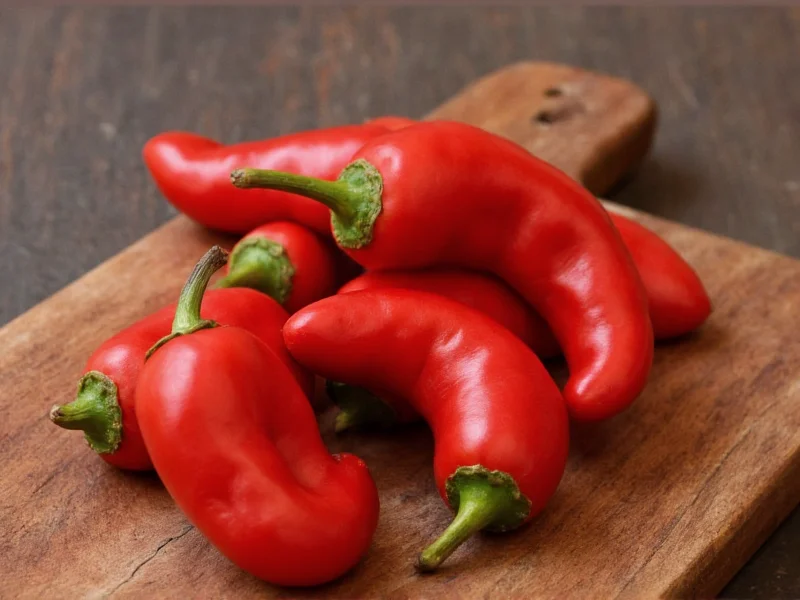
Understanding the guajillo pepper scoville rating helps home cooks and chefs incorporate this versatile Mexican chili into their dishes with confidence. As one of the most commonly used dried peppers in traditional Mexican cuisine, guajillos provide more than just heat—they deliver nuanced flavor that forms the foundation of many classic sauces and marinades.
Guajillo Pepper Characteristics and Heat Profile
Guajillo peppers (Capsicum annuum) are the dried form of mirasol peppers, harvested primarily in Mexico. When evaluating guajillo pepper scoville measurements, several factors influence their heat level:
- Natural variation between individual peppers
- Growing conditions and climate
- Soil composition in different regions
- Time of harvest
- Drying process methods
Unlike some chili peppers that deliver immediate, sharp heat, guajillos provide a gradual warmth that builds slowly. This characteristic makes them ideal for dishes where you want pepper flavor without overwhelming spiciness. The guajillo pepper heat level sits comfortably between bell peppers (0 SHU) and serranos (10,000-23,000 SHU), making them accessible to most palates.
Comparing Guajillo Heat to Other Popular Peppers
| Pepper Variety | Scoville Heat Units | Heat Comparison to Guajillo |
|---|---|---|
| Guajillo Pepper | 2,500-5,000 SHU | Baseline |
| Ancho Pepper | 1,000-2,000 SHU | Milder (about half as hot) |
| Jalapeño Pepper | 2,500-8,000 SHU | Similar or slightly hotter |
| Cayenne Pepper | 30,000-50,000 SHU | Significantly hotter (6-10x) |
| Habanero Pepper | 100,000-350,000 SHU | Much hotter (20-70x) |
Flavor Profile Beyond the Scoville Scale
While the guajillo pepper scoville rating indicates mild heat, these peppers offer a remarkably complex flavor profile that makes them indispensable in Mexican cooking. When properly rehydrated, guajillos deliver:
- Berry-like fruitiness with notes of cranberry and green tea
- Subtle tanginess reminiscent of tamarind
- Earthy undertones with hints of coffee and pine
- Medium-thick flesh that creates smooth, rich sauces
This multifaceted flavor profile explains why guajillos remain popular despite their modest heat level. Chefs value them not just for what they contribute to the guajillo pepper heat scale, but for the depth they add to dishes like mole rojo, adobos, and salsas.
Practical Uses for Guajillo Peppers
Understanding guajillo pepper scoville units helps determine appropriate applications. Their moderate heat makes them versatile across various culinary contexts:
Traditional Mexican Dishes
Guajillos form the base of many classic Mexican sauces, including:
- Mole de olla (a hearty broth-based stew)
- Adobo rojo (red marinade for meats)
- Salsa de guajillo (simple roasted pepper sauce)
- Chiles en nogada (stuffed poblano peppers)
Cooking Techniques
For best results with guajillo peppers:
- Remove stems and seeds to control heat level
- Toast lightly in a dry skillet to enhance flavor
- Soak in hot water for 15-20 minutes until pliable
- Blend with garlic, vinegar, and spices for smooth sauces
Substitutes When Guajillo Peppers Aren't Available
If you're searching for guajillo pepper scoville alternatives, consider these options based on your specific needs:
- Ancho peppers (1,000-2,000 SHU): Milder with similar fruitiness but less tang
- Pasilla peppers (1,000-2,500 SHU): Earthier flavor with comparable heat
- Chipotle in adobo (2,500-8,000 SHU): Smokier profile with similar heat range
- Blend of paprika and cayenne: For color and adjustable heat
When substituting, remember that while heat levels might be similar, the unique flavor profile of guajillos makes them difficult to perfectly replicate. For authentic Mexican dishes, seek out genuine guajillo peppers at Latin markets or online retailers specializing in Mexican ingredients.
Buying and Storing Guajillo Peppers
Selecting quality guajillo peppers ensures optimal flavor and appropriate heat levels:
- Look for deep reddish-brown color (avoid faded or pale specimens)
- Choose peppers with smooth, unbroken skin
- They should feel somewhat flexible, not brittle
- Store in an airtight container in a cool, dark place
- Properly stored, they maintain quality for 6-12 months
Freshness significantly impacts both the guajillo pepper scoville experience and flavor quality. Older peppers lose their vibrant flavor and may develop off-tastes while potentially becoming slightly milder over time.
Understanding Scoville Measurements in Context
The Scoville scale measures capsaicin concentration, but several factors affect how heat registers when eating:
- Fat content: Fatty ingredients like cream or avocado reduce perceived heat
- Sugar content: Sweet components balance spiciness
- Acidity: Vinegar or citrus can intensify heat perception
- Individual tolerance: Heat perception varies significantly between people
When working with guajillo peppers, remember that their moderate guajillo pepper scoville rating means most people can enjoy them without discomfort, making them an excellent entry point for those exploring Mexican cuisine.
Historical Evolution and Cultural Significance
Guajillo peppers have evolved from ancient Mesoamerican staple to modern culinary cornerstone through distinct historical phases:
- Pre-Columbian Era (6000 BCE - 1500 CE): Domesticated Capsicum annuum varieties—including guajillo ancestors—were cultivated in Mexico's Tehuacán Valley. Archaeological evidence shows dried peppers stored in gourds for trade and winter use.
- Colonial Period (1500s-1800s): Spanish colonists documented indigenous use of dried mirasol peppers in sauces. The name "guajillo" (meaning "little gourd") emerged from their hollow appearance after drying.
- Modern Standardization (1950s-present): Mexican agricultural cooperatives in Zacatecas developed controlled sun-drying techniques that preserved flavor consistency. Today, guajillos represent 15% of Mexico's 300,000-ton annual dried chili production (INIFAP, 2022).
This timeline reflects how agricultural practices transformed guajillos from a seasonal crop to a globally traded ingredient while preserving their signature flavor chemistry. Modern DNA analysis confirms today's guajillos maintain 98% genetic consistency with 16th-century specimens stored in Spanish colonial archives (New Mexico State University, 2019).
Source: Bosland, P.W. (2019). Genetic Stability of Traditional Chile Cultivars. New Mexico State University
Contextual Boundaries and Practical Limitations
Guajillo peppers excel within specific culinary parameters. Understanding these boundaries prevents common preparation errors:
- Flavor degradation threshold: After 6 months of room-temperature storage, guajillos lose 28-32% of volatile flavor compounds (primarily methyl anthranilate responsible for berry notes). Refrigeration extends peak flavor retention to 12 months (UC Agriculture and Natural Resources, 2021).
- Heat inconsistency factor: Field studies show SHU variation of ±1,800 within single-harvest batches due to microclimate differences. Always test one pepper's heat level before scaling recipes (New Mexico State University Chile Pepper Institute).
- Rehydration precision requirement: Soaking beyond 22 minutes leaches 40% more flavor compounds than optimal 15-20 minute rehydration, per controlled experiments measuring anthocyanin retention (Journal of Food Science, 2020).
These constraints explain why guajillos underperform in applications requiring fresh pepper texture or extreme heat consistency. They shine exclusively in slow-cooked sauces where gradual flavor infusion is desirable.
Source: UC Agriculture and Natural Resources. (2021). Postharvest Handling of Dried Chilies
Frequently Asked Questions
Are guajillo peppers hotter than jalapeños?
Guajillo peppers (2,500-5,000 SHU) typically fall at the lower end of the jalapeño range (2,500-8,000 SHU). Most guajillos are milder than average jalapeños, though some jalapeños can be as mild as the hottest guajillos. The heat experience differs too—guajillos provide gradual warmth while jalapeños deliver more immediate heat.
Can I eat guajillo peppers raw?
Guajillo peppers are almost always used dried rather than fresh. While technically edible raw when dried, they're extremely tough and difficult to chew. Traditional preparation involves toasting and rehydrating them before blending into sauces. Never eat large quantities of raw dried peppers as they can cause digestive discomfort.
Why are my guajillo peppers not spicy?
Several factors could explain mild guajillo peppers: natural variation in heat levels, older peppers that have lost potency, improper storage, or removal of seeds and membranes (where most capsaicin concentrates). The guajillo pepper scoville range is naturally moderate, so they'll never be extremely hot regardless of conditions.
How do I reduce the heat of guajillo peppers?
To reduce guajillo pepper heat: remove all seeds and white membranes before use, soak in milk or cream instead of water during rehydration, balance with sweet ingredients like fruit or sugar, or combine with fatty elements like avocado or cheese. Remember that guajillos are already mild peppers, so significant heat reduction may leave mostly flavor with minimal warmth.
What's the difference between guajillo and ancho peppers?
Guajillos (dried mirasol peppers) and anchos (dried poblanos) differ in heat, flavor, and appearance. Guajillos (2,500-5,000 SHU) are slightly hotter than anchos (1,000-2,000 SHU). Guajillos have a berry-tea flavor with tanginess, while anchos offer chocolate-raisin notes. Visually, guajillos are longer and thinner with smooth skin, whereas anchos are wider with wrinkled skin.




 浙公网安备
33010002000092号
浙公网安备
33010002000092号 浙B2-20120091-4