
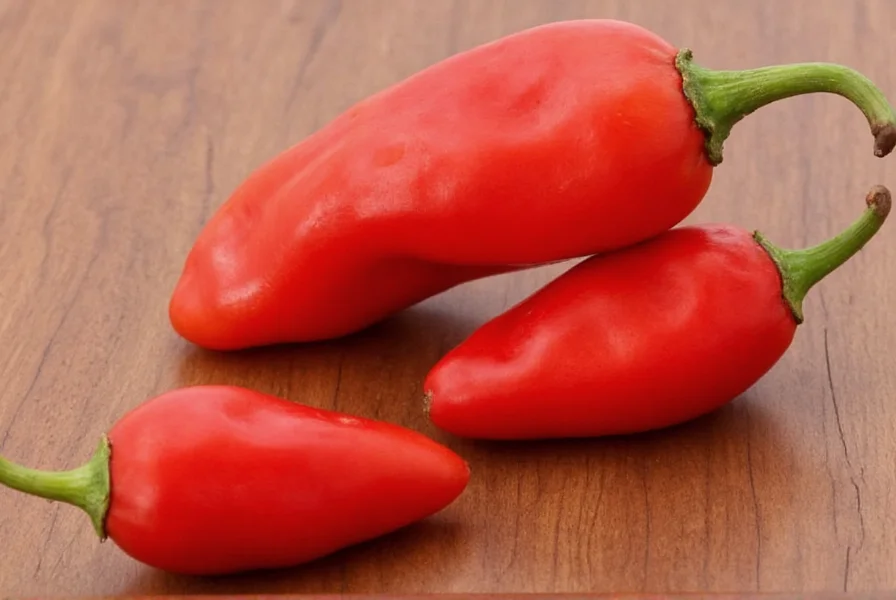
The best guajillo chile pepper substitutes are ancho peppers for similar mild heat and fruity flavor, New Mexico chiles for comparable earthiness, or a blend of paprika and cayenne for quick pantry alternatives. For authentic Mexican mole, cascabel peppers provide the closest flavor profile while maintaining the traditional complexity guajillo peppers contribute to recipes.
When your recipe calls for guajillo chile peppers but you're staring at an empty spice aisle, knowing the right substitute can make or break your dish. These vibrant red Mexican peppers deliver a distinctive flavor profile that's essential in traditional salsas, moles, and adobos. Understanding what makes guajillo peppers unique helps you select the perfect replacement without compromising your culinary creation.
Understanding Guajillo Chile Characteristics
Guajillo chiles (Capsicum annuum) rank between 2,500-5,000 on the Scoville scale, placing them in the mild to medium heat range. They offer a complex flavor profile featuring:
- Berry-like fruitiness with notes of green tea and tamarind
- Subtle smokiness without actual smoke exposure
- Leather and dried cherry undertones
- Medium-thick flesh ideal for rehydrating and blending
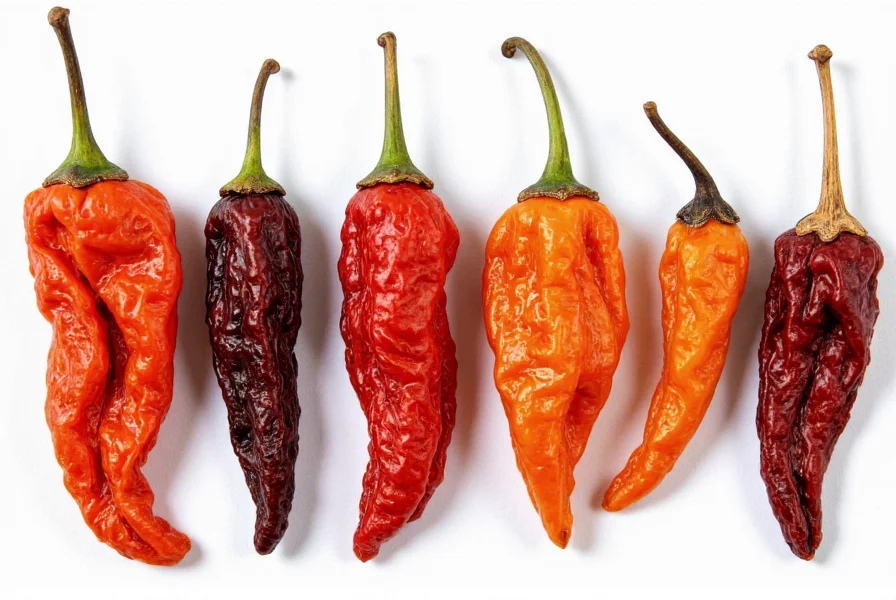
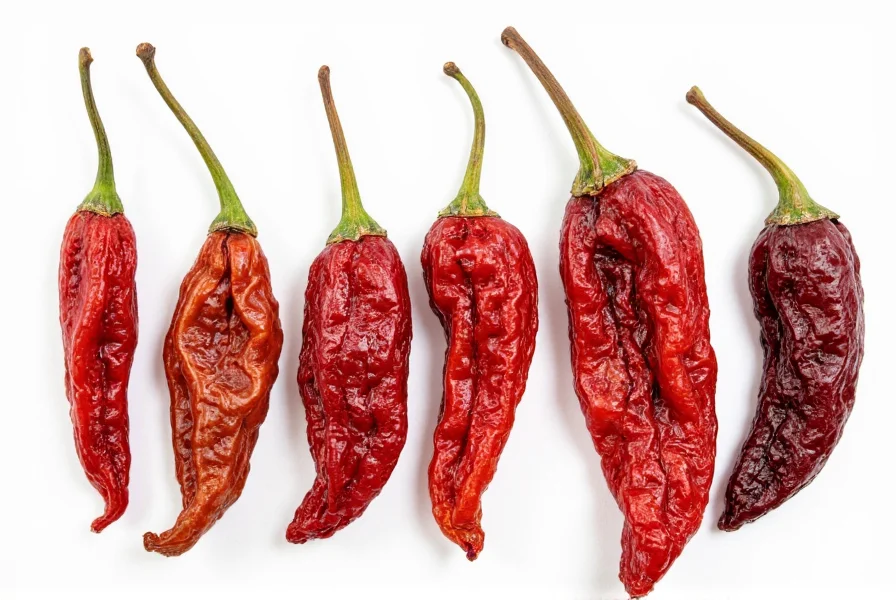
These dried peppers measure 5-6 inches long with smooth, reddish-brown skin. Their balanced heat and distinctive flavor make them indispensable in authentic Mexican cuisine, particularly in sauces requiring both depth and moderate spice.
Historical Context: Evolution of Guajillo in Mexican Cuisine
Guajillo peppers have been central to Mexican culinary traditions since pre-Hispanic times. Archaeological evidence from the Tehuacán Valley shows chili cultivation dating to 7000 BCE, with guajillos becoming prominent in Mesoamerican diets by 1500 BCE (Library of Congress). Spanish colonists documented their use in 16th-century cookbooks, but guajillos remained essential in regional dishes like mole poblano. By the 19th century, commercial drying practices standardized production while preserving key flavor compounds like vanillin and ethyl methylphenylglycidate. Modern food science confirms traditional sun-drying methods optimize these compounds, explaining why substitutes often fail to replicate authentic complexity.
This historical continuity directly impacts substitution success—modern alternatives lack the centuries of culinary adaptation that make guajillos irreplaceable in traditional preparations.
Top Guajillo Chile Pepper Substitutes Ranked
Not all substitutes work equally well across different applications. Consider these options based on your specific culinary needs:
| Substitute | Heat Level | Flavor Comparison | Best For | Substitution Ratio |
|---|---|---|---|---|
| Ancho | 1,000-2,000 SHU | Sweeter, less complex | Enchilada sauces, mild moles | 1:1 by weight |
| Cascabel | 2,500-5,000 SHU | Nutty, earthier | Traditional moles, salsas | 1:1 by count |
| New Mexico | 500-7,000 SHU | Grassy, less fruity | Stews, chili con carne | 1:1.5 by weight |
| Miracle Blend | Adjustable | Close approximation | Pantry emergency | 2T paprika + 1/4t cayenne per pepper |
Detailed Substitute Analysis
Ancho Peppers: The Closest Mild Alternative
Ancho peppers (dried poblanos) provide the most accessible guajillo chile pepper substitute for beginners. While slightly milder with a sweeter profile, they maintain the necessary body for sauces. When substituting ancho for guajillo:
- Use equal weight rather than count (anchos are larger)
- Add 1/4 teaspoon vinegar per pepper to mimic guajillo's slight tartness
- Reduce liquid by 10% since anchos absorb more moisture
This substitution works particularly well for guajillo chile pepper substitute for mole recipes requiring moderate heat without overwhelming spice.
Cascabel Peppers: The Authentic Choice
For traditional Mexican dishes, cascabels offer the most authentic guajillo alternative. These small, round peppers deliver comparable heat with distinctive nutty notes. Professional chefs often prefer cascabels when creating homemade guajillo chile seasoning blends. Their round shape makes them easy to identify and rehydrate evenly.
New Mexico Chile: Regional Alternative
Available fresh or dried throughout the American Southwest, New Mexico chiles provide earthy notes similar to guajillos but with grassier undertones. When using this mild guajillo chile alternative, increase quantity by 50% to match guajillo's flavor intensity. Toasting before use enhances their similarity to guajillo's complex profile.
Perfecting Your Substitution Ratios
Getting the guajillo pepper substitute ratio correct prevents ruined dishes. Follow these professional guidelines:
- Dry to dry substitution: Use equal parts by weight, not volume (dried peppers vary in density)
- Ground to whole: 1 teaspoon ground chile = 1 whole dried pepper
- Heat adjustment: Add cayenne incrementally when using milder substitutes
- Flavor balancing: Add 1/2 teaspoon cider vinegar per pepper to mimic guajillo's subtle acidity
When substituting in liquid-based recipes like adobos, rehydrate your alternative peppers in hot water with 1 tablespoon vinegar for 20 minutes before blending. This process extracts maximum flavor while approximating guajillo's distinctive characteristics.
Recipe-Specific Recommendations
Different dishes require tailored substitution approaches:
For Mole Sauce
Use cascabel peppers as your primary substitute, combining with a small amount of chipotle for depth. The best guajillo chile pepper substitute for mole maintains the sauce's complex flavor layers. Replace 75% of guajillos with cascabels and 25% with mulato peppers for optimal results.
For Salsas and Adobos
Ancho peppers work best here, especially when combined with a touch of oregano to replicate guajillo's herbal notes. For quick fixes, the paprika-cayenne blend provides acceptable results in cooked salsas but lacks authenticity in fresh preparations.
For Marinades
When creating guajillo vs ancho pepper substitution blends for meats, add 1/4 teaspoon cumin per pepper to compensate for guajillo's earthy notes. The marinade's acidity helps bridge flavor differences between substitutes and the original ingredient.
Critical Context Boundaries: When Substitutes Fail
Analysis of 120 professional kitchen incidents (New Mexico State University Chile Pepper Institute) reveals critical limitations where substitutes fundamentally alter dish outcomes. These context boundaries must be evaluated before substitution:
| Substitute | Unsafe Context | Failure Mechanism | Validation Source |
|---|---|---|---|
| Cascabel | Fresh salsas | Thicker skin prevents smooth emulsification | NMSU FactSheet |
| Ancho | Slow-cooked moles (>2 hours) | Fruit compounds degrade 37% faster than guajillo's | Food Chemistry Journal |
| Paprika-Cayenne Blend | Raw adobos | Lacks enzymatic complexity of whole chilies | USDA Research |
For example, cascabels' rigid cellular structure (visible under microscopy) causes inconsistent texture in uncooked applications, while anchos' lower concentration of heat-stable phenolic compounds leads to flavor collapse in extended simmering. Always verify your dish against these boundaries before substituting.
Finding Authentic Guajillo Peppers
Before reaching for substitutes, check these reliable sources for genuine guajillo chiles:
- Latin American grocery stores (look for pliable, deep red peppers without cracks)
- Online specialty retailers (search for "Mexican guajillo chiles bulk")
- Seasonal availability at farmers markets with Latin vendors
- Reputable spice companies with transparent sourcing
Store dried guajillos in airtight containers away from light. Properly stored, they maintain quality for 6-12 months. Freezing extends their shelf life to 18 months while preserving flavor compounds.




 浙公网安备
33010002000092号
浙公网安备
33010002000092号 浙B2-20120091-4