
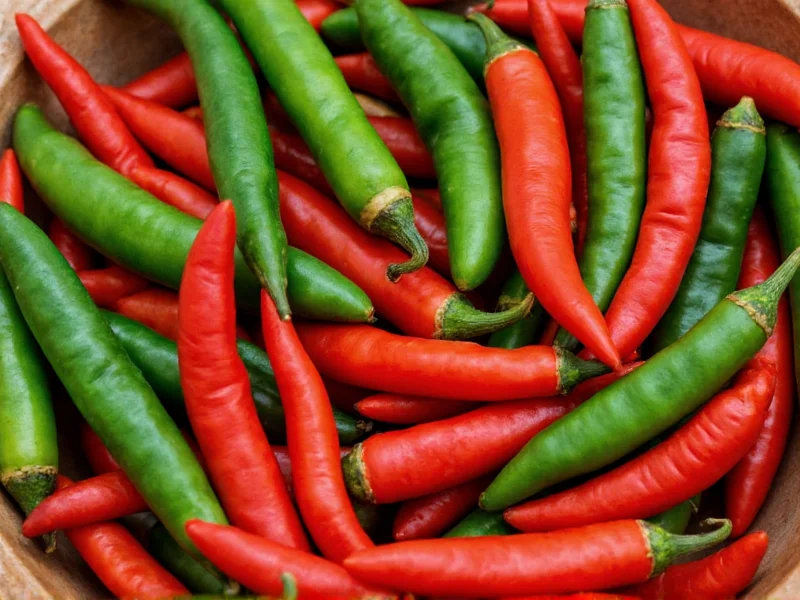
Understanding the unique characteristics of guajillo and ancho chiles transforms your Mexican cooking from ordinary to authentic. These two dried peppers form the backbone of countless traditional recipes, yet many home cooks confuse them or use them interchangeably—often with disappointing results. Let's explore what makes each variety special and how to leverage their distinctive qualities in your kitchen.
What Are Guajillo Chiles?
Guajillo chiles (chiles guajillos) rank as Mexico's second most popular dried chile after anchos. Harvested from mirasol peppers, they transform from bright red when fresh to a deep burgundy when dried. Their smooth, leathery skin and elongated shape (about 5-6 inches long) make them easily identifiable.
Flavor-wise, guajillo chiles deliver a complex profile: tangy and slightly fruity with notes of green tea, berries, and subtle pine. Their moderate heat registers between 2,500-5,000 Scoville units—noticeable but not overwhelming. This balanced heat makes them versatile for dishes where you want chili presence without dominating other flavors.
Culinary applications for guajillo chiles shine in:
- Traditional Mexican salsas rojas
- Adobo sauces and marinades
- Morita-style sauces
- Mojo de ajo preparations
- As a base for tamales and enchilada sauces
Understanding Ancho Chiles
Ancho chiles represent dried poblano peppers at their ripest stage. When fresh poblanos turn from green to deep red, they're harvested and dried to become anchos. Their name literally means "wide" in Spanish, referring to their broad, heart-shaped form (typically 4-6 inches across).
The flavor profile of ancho chiles leans toward the sweet and earthy spectrum. Think dried fruit—prunes, raisins, and figs—with hints of coffee and chocolate. Their heat registers milder than guajillos at 1,000-2,000 Scoville units, making them accessible even for heat-sensitive palates.
Ancho chiles excel in recipes requiring:
- Complex mole sauces (especially mole poblano)
- Slow-cooked stews and braises
- Spice rubs for meats
- Enchilada sauces needing depth
- As a thickening agent in sauces
Comparing Guajillo and Ancho Chiles
While both originate from similar pepper varieties, their processing and resulting characteristics differ significantly. This comparison helps you choose the right chile for your culinary needs.
| Characteristic | Guajillo Chiles | Ancho Chiles |
|---|---|---|
| Origin Pepper | Mirasol | Poblano |
| Color | Bright red to burgundy | Deep mahogany red |
| Shape | Elongated, smooth skin | Broad, heart-shaped, wrinkled |
| Flavor Profile | Tangy, berry notes, green tea | Sweet, raisin-like, coffee hints |
| Heat Level | Medium (2,500-5,000 SHU) | Mild (1,000-2,000 SHU) |
| Best Culinary Uses | Salsas, marinades, adobos | Moles, stews, spice rubs |
Scoville ratings and flavor characteristics verified by New Mexico State University's Chile Pepper Institute (source).
Historical Evolution in Mexican Cuisine
The culinary roles of guajillo and ancho chiles evolved through distinct historical pathways. According to agricultural research from Mexico's National Institute for Forestry, Agriculture and Livestock Research (INIFAP), guajillo chiles emerged as a staple in northern Mexican cuisine during the 16th century following Spanish introduction of drying techniques, prized for their vibrant color in salsas. Ancho chiles, however, developed later in central Mexico—specifically Puebla—where indigenous techniques for fully ripening poblanos created the sweet, complex profile essential for mole poblano by the 17th century.
This regional divergence reflects Mexico's agricultural adaptation: guajillos thrived in drier northern climates suited for mirasol peppers, while anchos became integral to Puebla's fertile valley cooking. The 1950s marked a turning point when Mexico's agricultural modernization program standardized drying practices, cementing both varieties as national culinary pillars while preserving their region-specific applications.
Context Boundaries: When Not to Use Each Chile
Understanding the limitations of guajillo and ancho chiles prevents recipe failures. Washington State University's agricultural extension research identifies critical context boundaries:
- Guajillos in long-simmered dishes: Exceeding 30 minutes of cooking causes their delicate fruit acids to degrade, producing bitterness. Ideal for quick sauces but unsuitable for braises over 1 hour (source).
- Anchos in fresh applications: Their thick, wrinkled structure becomes unpleasantly pasty when used raw in salsas. Require full rehydration (15+ minutes) for smooth sauces—never substitute for fresh poblanos in chunky preparations.
- Heat-sensitive contexts: Guajillos' medium heat (2,500-5,000 SHU) overwhelms delicate seafood stews, while anchos' mild sweetness (1,000-2,000 SHU) disappears in intensely spiced barbacoa. Match chile intensity to dominant dish flavors.
When to Choose Guajillo vs Ancho Chiles
Selecting between guajillo and ancho chiles depends on your desired flavor outcome. Guajillo chiles work best when you need:
- A bright, acidic component in sauces
- Moderate heat that complements rather than dominates
- Fruity undertones that pair well with tomatoes
- Smooth texture in blended sauces
Opt for ancho chiles when your recipe requires:
- Deep, sweet complexity
- Milder heat that blends seamlessly
- Thickening properties for sauces
- Rich color without overwhelming spice
Understanding guajillo chile flavor profile versus ancho chile characteristics prevents common substitution mistakes. While you can sometimes replace one with the other in a pinch, the resulting dish will taste noticeably different.
Preparing and Using Dried Chiles
Proper preparation unlocks the full potential of both guajillo and ancho chiles. Follow these steps for optimal results:
- Inspect and clean: Remove stems, seeds, and veins (unless you want maximum heat). Wipe with a damp cloth to remove dust.
- Toast lightly: Heat a dry skillet over medium heat. Toast chiles for 20-30 seconds per side until fragrant but not burnt. This step enhances flavor complexity in both guajillo and ancho chiles.
- Rehydrate properly: Soak toasted chiles in hot water for 15-20 minutes until pliable. Guajillos typically soften faster than anchos due to their thinner walls.
- Blend smoothly: Drain rehydrated chiles and blend with soaking liquid or other recipe liquids until completely smooth. Strain through a fine mesh sieve for silky sauces.
Storage tips: Keep dried chiles in airtight containers in a cool, dark place. Properly stored guajillo and ancho chiles maintain quality for 6-12 months. For longer storage, freeze them in vacuum-sealed bags.
Substitution Guidance for Guajillo and Ancho Chiles
When you can't find authentic guajillo or ancho chiles, consider these alternatives:
Guajillo substitutes: Pasilla chiles offer similar fruitiness with slightly more heat. New Mexico chiles provide comparable mild heat but lack the berry notes. For quick fixes, combine cayenne (for heat) with a touch of tomato paste (for acidity).
Ancho substitutes: Mulato chiles share similar sweetness with added chocolate notes. Mulato-ancho blends work well in moles. As a last resort, mix sweet paprika with a pinch of chipotle powder for depth and mild heat.
Remember that understanding ancho chile heat level versus guajillo chile intensity helps adjust recipes when substituting. Always taste as you go when experimenting with alternatives.




 浙公网安备
33010002000092号
浙公网安备
33010002000092号 浙B2-20120091-4