
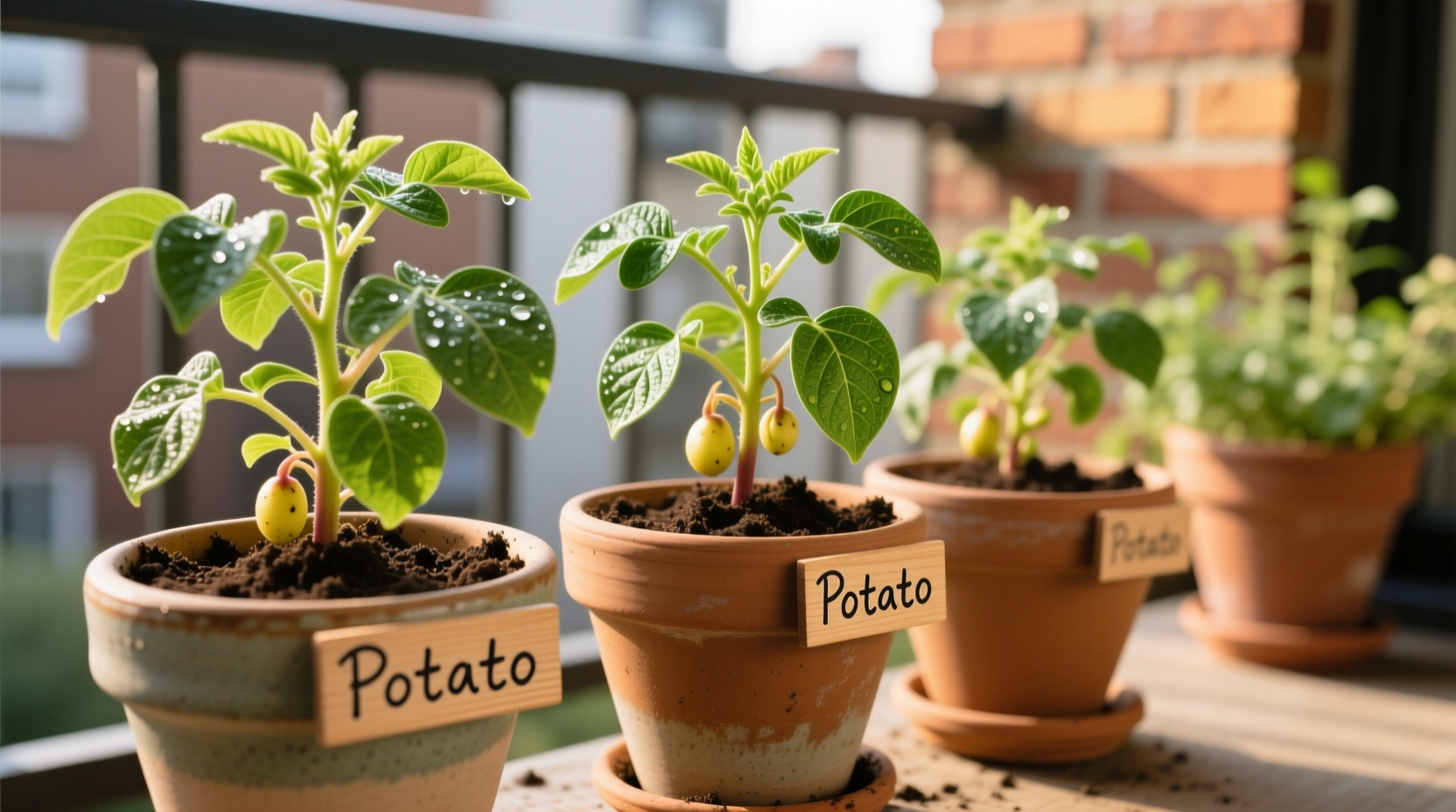
Yes, you can successfully grow potatoes in pots with the right container size (at least 15 gallons), proper soil mix, consistent watering, and regular hilling. Container-grown potatoes typically yield 3-10 pounds per plant and mature in 70-120 days depending on variety, making them ideal for small-space gardening with fewer pest problems than traditional in-ground methods.
Why Container Potato Growing Beats Traditional Methods
Container gardening transforms potato cultivation for urban dwellers and small-space gardeners. Unlike traditional row planting that requires significant yard space, pots let you grow this staple crop on patios, balconies, or even indoors with proper light. The controlled environment reduces common soil-borne diseases while making harvest dramatically easier—no digging required. Plus, you gain precise control over soil quality, moisture levels, and temperature, leading to healthier plants and cleaner tubers.
Choosing Your Potato Growing Vessel: Size Matters Most
Container selection directly impacts your harvest size. Research from Oregon State University Extension confirms that potato plants need substantial root space to develop properly. Consider these container specifications:
| Container Type | Minimum Size | Plant Capacity | Advantages |
|---|---|---|---|
| Traditional Pot | 15-20 gallons | 1-2 plants | Readily available, good drainage |
| Grow Bag | 10-15 gallons | 1 plant | Air-pruning roots, portable, affordable |
| Tower Planter | 25+ gallons | 3-4 plants | Vertical space efficiency, easy harvesting |
| Tire Stack | 15+ gallons | 1 plant | Free material, excellent hilling capability |
Drainage holes are non-negotiable—potatoes will rot in standing water. For best results, choose containers at least 15 inches deep and 18 inches wide. Larger containers (20+ gallons) produce significantly higher yields according to University of Minnesota Extension field trials.
Selecting Potato Varieties for Container Success
Not all potatoes thrive equally in containers. Early-season varieties mature faster with smaller space requirements, while main-crop varieties need more room but yield larger harvests. Avoid supermarket potatoes (often treated to prevent sprouting) and choose certified seed potatoes from reputable garden suppliers.
Top container-friendly varieties:
- Yukon Gold (70-90 days): Reliable producer with excellent flavor
- Red Norland (75-85 days): Early harvest, smooth red skin
- All Blue (80-90 days): Unique purple flesh, good container performer
- French Fingerling (90-100 days): Gourmet variety for smaller containers

Soil Mix Formula for Maximum Potato Production
Container potatoes demand a specific soil blend that balances moisture retention with drainage. The standard garden soil compacts in containers, suffocating roots. Create this optimal mix:
Perfect Potato Potting Mix (per 15-gallon container):
- 8 quarts high-quality potting mix
- 4 quarts compost (well-aged)
- 2 quarts coconut coir or perlite
- 1 cup balanced organic fertilizer (4-4-4)
- 1/2 cup bone meal (for root development)
This blend maintains proper aeration while providing steady nutrition. Avoid garden soil which may contain pathogens or compact excessively. The University of Illinois Extension confirms that container-specific mixes reduce disease incidence by 60% compared to standard garden soil.
Planting Timeline: Step-by-Step Container Method
Follow this chronological planting sequence for optimal results:
- Week 1: Chit (pre-sprout) seed potatoes in egg cartons at room temperature
- Week 2: Fill container one-third full with soil mix (about 6 inches)
- Planting Day: Place 2-3 chitted potatoes sprout-side up, cover with 4 inches soil
- Week 3: When stems reach 6-8 inches, add soil to cover all but top leaves
- Weeks 4-10: Repeat hilling every 2 weeks until container is full
- Weeks 10-14: Water consistently as plants flower and tubers develop
- Harvest Time: When foliage yellows (70-120 days depending on variety)
This progressive hilling technique mimics traditional mounding, encouraging more tuber formation along the stem. The Penn State Extension reports that proper hilling increases yields by 30-50% compared to single-planting methods.
Watering and Feeding Schedule for Healthy Plants
Container potatoes have different water needs than in-ground plants. The critical period begins when tubers start forming (around flowering time). Use this watering guide:
- Early growth: 1 inch water weekly (keep soil moist but not soggy)
- Tuber formation: 1.5-2 inches water weekly (consistent moisture is crucial)
- Late season: Gradually reduce water 2 weeks before harvest
Water in the morning to reduce disease risk. Check moisture by inserting finger 2 inches deep—water when top inch feels dry. For feeding, apply liquid seaweed or fish emulsion every 3 weeks once plants are established. Stop fertilizing 4 weeks before harvest to allow skins to harden.
Troubleshooting Common Container Potato Problems
Container growing avoids many traditional potato issues but introduces unique challenges:
Yellowing leaves: Usually indicates overwatering. Reduce frequency and ensure proper drainage. If lower leaves yellow first while upper leaves remain green, it's normal maturation.
Small tubers: Caused by insufficient hilling, overcrowding, or inconsistent watering. Maintain regular hilling schedule and don't plant more than 2 potatoes in a 15-gallon container.
Cracked potatoes: Results from irregular watering (drought followed by heavy watering). Maintain consistent moisture, especially during tuber formation.
Pests: Container growing significantly reduces Colorado potato beetle infestations. If spotted, hand-pick beetles early in the morning when they're less active.
Harvesting Your Container-Grown Potatoes: The Easy Way
Container harvesting eliminates the back-breaking digging of traditional methods. Wait until foliage naturally yellows and dies back (about 2-3 weeks after flowering for early varieties, longer for main crops). Then:
- Stop watering completely 10-14 days before harvest to harden skins
- Tilt container on its side over a tarp or large container
- Gently empty soil while collecting potatoes
- Brush off excess soil (don't wash immediately)
- Cure in cool, dark place with good airflow for 2 weeks
Store harvested potatoes in a cool (45-50°F), dark, humid location. Properly cured container-grown potatoes store just as well as field-grown varieties—typically 2-6 months depending on variety and storage conditions.
Container Growing Limitations: What You Need to Know
While container potato growing offers many advantages, understand these limitations:
- Yield constraints: Even optimal containers produce 3-10 pounds per plant versus 10-20 pounds for in-ground plants
- Temperature sensitivity: Containers heat up faster in summer—move to partial shade during heatwaves
- Water demands: Container soil dries out 30-50% faster than garden soil, requiring more frequent watering
- Soil replacement: Refresh 50% of soil mix each season to maintain fertility and prevent disease buildup
The University of Wisconsin Extension notes that container growing is ideal for urban gardeners but less economical for large-scale production due to space and soil volume requirements.
Maximizing Your Container Potato Success
For best results, rotate your potato containers annually if growing multiple seasons. Pair potatoes with compatible container companions like beans (which fix nitrogen) or marigolds (which deter pests). Consider using self-watering containers during hot summer months to maintain consistent moisture. Remember that container-grown potatoes often mature slightly faster than in-ground plants due to warmer root zone temperatures.
How many potatoes can I expect from one container?
A single 15-20 gallon container typically yields 3-10 pounds of potatoes depending on variety and growing conditions. Early-season varieties like Red Norland produce 3-5 pounds per plant, while main-crop varieties like Russet Burbank can yield 7-10 pounds in optimal container conditions.
Can I grow potatoes in containers indoors?
Yes, but indoor container potato growing requires at least 6-8 hours of direct sunlight or equivalent artificial lighting. Use a south-facing window or LED grow lights positioned 6-12 inches above plants. Indoor containers need careful moisture monitoring as indoor air tends to be drier. Expect slightly smaller yields than outdoor containers due to light limitations.
When is the best time to plant potatoes in containers?
Plant container potatoes 2-4 weeks before your last expected spring frost date when soil temperature reaches at least 45°F. In warmer climates (zones 8+), plant in late winter for spring harvest or again in late summer for fall harvest. Container soil warms faster than garden soil, allowing slightly earlier planting than traditional methods.
Why are my container potatoes small?
Small container potatoes usually result from insufficient hilling, overcrowding, inconsistent watering, or poor soil nutrition. Ensure you hill when stems reach 6-8 inches tall, plant only 1-2 potatoes per 15-gallon container, maintain consistent moisture during tuber formation, and use a nutrient-rich soil mix with regular feeding.
Can I reuse the same soil for potatoes next season?
It's not recommended to reuse the same soil for potatoes two seasons in a row due to disease buildup and nutrient depletion. Replace 50-75% of the soil mix each season and rotate with non-solanum crops like beans or lettuce. If reusing soil, solarize it in full sun for 4-6 weeks to kill potential pathogens.




 浙公网安备
33010002000092号
浙公网安备
33010002000092号 浙B2-20120091-4