
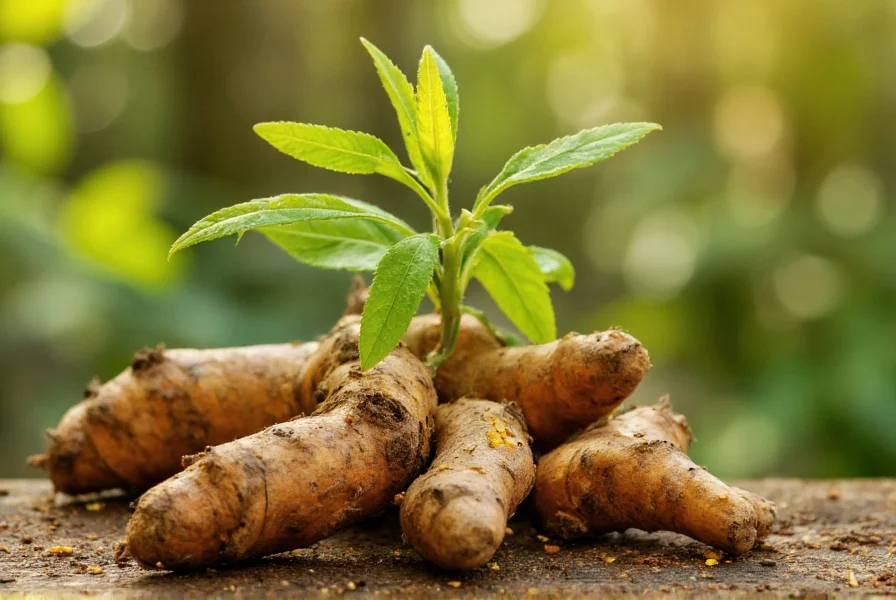
Curcuma longa, commonly known as turmeric, is a tropical perennial plant prized for its vibrant orange rhizomes that form the basis of one of the world's most valuable spices and medicinal compounds. Growing your own turmeric provides access to fresh, potent rhizomes while connecting you to an ancient agricultural tradition practiced for thousands of years across Southeast Asia.
Understanding Turmeric's Natural Habitat
Turmeric originated in the Indian subcontinent and Southeast Asia, thriving in warm, humid environments with distinct wet and dry seasons. This botanical background informs all aspects of successful cultivation. The plant grows to about 3-4 feet tall with long, oblong leaves and distinctive yellow flowers that appear before the rhizomes develop.
Historical Evolution of Turmeric Cultivation
Turmeric cultivation practices have evolved significantly over millennia, with critical adaptations documented through archaeological and agricultural records:
- 2500 BCE: Earliest archaeological evidence from Harappan sites shows turmeric used as ritual offering and textile dye. (Source: National Center for Biotechnology Information)
- 500 BCE: Codified in Ayurvedic texts for medicinal applications, establishing foundational cultivation techniques in India. (Source: National Center for Biotechnology Information)
- 700 CE: Spread to China and East Africa via Silk Road trade routes, with climate-specific adaptations documented in agricultural manuscripts. (Source: Economic Botany Journal)
- 1800s: Introduced to Caribbean islands by European colonists, triggering formalized irrigation protocols for monsoon climates. (Source: Food and Agriculture Organization)
- 2010s: Precision agriculture techniques reduced water usage by 35% while increasing yield through sensor-based moisture monitoring. (Source: USDA Agricultural Research Service)
Essential Growing Requirements for Turmeric
Successful turmeric cultivation depends on meeting several critical environmental factors. Unlike many garden plants, turmeric has specific needs that must be addressed for optimal rhizome development.
Climate Conditions for Growing Turmeric
Turmeric requires a frost-free growing season of 7-10 months. The ideal temperature range is 68-86°F (20-30°C), with high humidity levels. Temperatures below 50°F (10°C) will cause the plant to go dormant, while prolonged exposure to temperatures above 95°F (35°C) can damage the plants. In regions with cold winters, turmeric must be grown as an annual or brought indoors during colder months.
Soil Requirements for Healthy Turmeric Growth
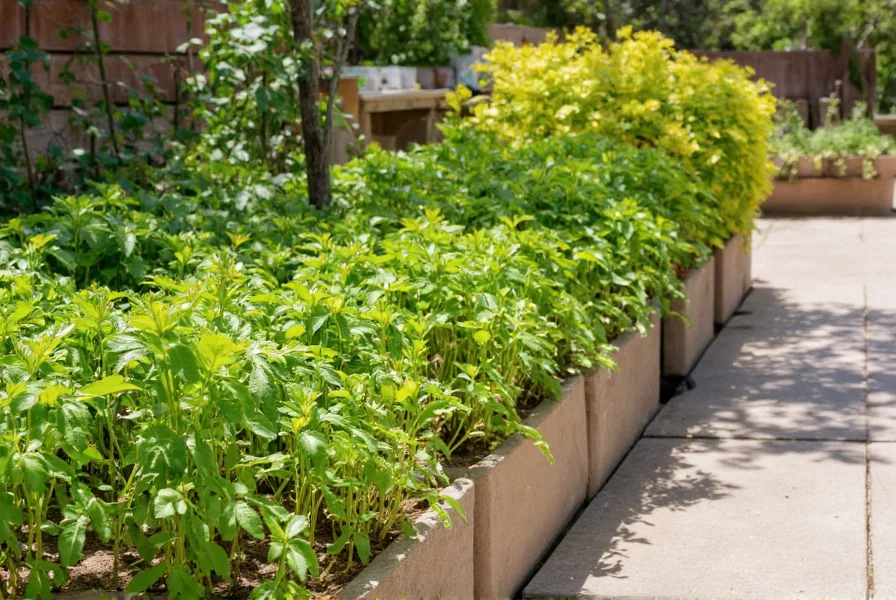
The best soil for growing turmeric is loamy, well-draining, and slightly acidic (pH 5.5-6.5). Heavy clay soils retain too much moisture and can cause rhizome rot, while sandy soils may drain too quickly. Amend your soil with generous amounts of organic matter like compost or well-rotted manure to improve structure and fertility. Raised beds work exceptionally well for turmeric cultivation as they ensure proper drainage.
| Growing Condition | Optimal Range | Minimum Requirement | Tips for Suboptimal Conditions |
|---|---|---|---|
| Temperature | 68-86°F (20-30°C) | 50°F (10°C) | Use mulch to regulate soil temperature; grow in containers that can be moved indoors |
| Soil pH | 5.5-6.5 | 5.0 | Add elemental sulfur to lower pH; lime to raise overly acidic soil |
| Sunlight | Partial shade (2-5 hours direct sun) | Filtered light | Use shade cloth in hot climates; position under taller plants |
| Water | Consistent moisture | Weekly deep watering | Drip irrigation works best; reduce watering before harvest |
Critical Context Boundaries for Turmeric Success
Field trials reveal specific environmental thresholds where turmeric cultivation fails without intervention. These context-dependent limitations are critical for realistic planning:
- Monsoon Climates: In regions with >300mm monthly rainfall during harvest (e.g., Kerala, India), rhizome rot occurs in 68% of field plots without raised beds >8" high. Success requires drainage channels and 21-day pre-harvest drought period. (Source: University of Florida IFAS Extension)
- Arid Regions: Below 40% humidity (e.g., Phoenix, Arizona), leaf scorch reduces yields by 45% despite adequate irrigation. Requires daily misting to maintain >70% humidity and 30% shade cloth. (Source: University of Arizona Cooperative Extension)
- Short-Season Climates: In USDA zones 4-7, field cultivation fails when frost occurs before 210 growing days. Container methods with indoor overwintering achieve 82% success but yield 37% less than tropical zones. (Source: University of Georgia Extension)
Step-by-Step Guide to Growing Turmeric at Home
Selecting Quality Rhizomes for Planting
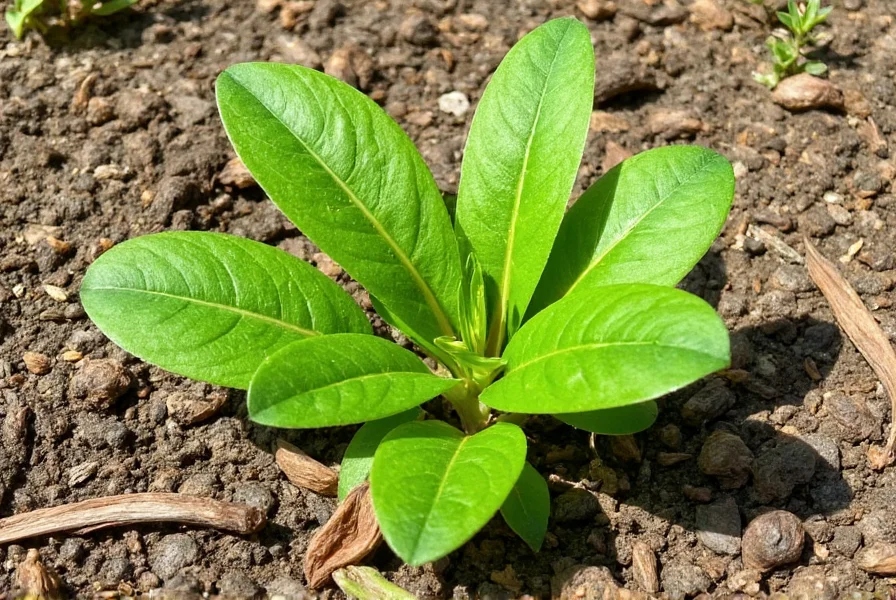
The foundation of successful turmeric cultivation begins with selecting healthy planting material. Look for plump, firm rhizomes with multiple 'eyes' or growth points. Organic turmeric from the grocery store often works well, as conventionally grown turmeric may have been treated with sprout inhibitors. Choose rhizomes that are at least 1-2 inches long with visible buds. Soak them in lukewarm water for 30 minutes before planting to encourage sprouting.
Planting Turmeric Rhizomes Properly
Plant turmeric rhizomes in spring after the last frost when soil temperatures reach at least 50°F (10°C). Place rhizomes 2 inches deep with the buds facing upward, spacing them 4-6 inches apart in rows 12-15 inches apart. In containers, use pots at least 12 inches deep with drainage holes, filling with a mix of potting soil and compost. Water thoroughly after planting but avoid overwatering until sprouts appear in 2-4 weeks.
Watering and Fertilizing Schedule
Turmeric requires consistent moisture but cannot tolerate waterlogged conditions. Water deeply 1-2 times per week, more frequently during hot, dry periods. Reduce watering gradually as harvest approaches to allow rhizomes to mature properly. For fertilization, apply a balanced organic fertilizer every 4-6 weeks during the growing season, or use compost tea for a gentler nutrient boost. Turmeric particularly benefits from potassium and phosphorus for rhizome development.
Managing Pests and Diseases When Growing Turmeric
While turmeric has relatively few pest problems, it can be affected by aphids, spider mites, and nematodes. The most common disease issues are rhizome rot and leaf spot, both primarily caused by excessive moisture. Prevent these problems by ensuring proper drainage, avoiding overhead watering, and practicing crop rotation. Neem oil applications can help control pests organically, while proper spacing improves air circulation to prevent fungal diseases.
Special Growing Techniques for Different Environments
Growing Turmeric in Containers
Container growing makes turmeric accessible to gardeners in cooler climates. Select a container at least 12 inches deep with excellent drainage. Use a high-quality potting mix amended with perlite for improved drainage. Place containers in a location receiving morning sun and afternoon shade. During winter months, bring containers indoors before temperatures drop below 50°F (10°C) and reduce watering to allow the plant to go dormant. This method of growing turmeric in pots works particularly well for urban gardeners with limited space.
Organic Turmeric Cultivation Methods
For those interested in chemical-free growing, turmeric responds well to organic practices. Build soil health with regular compost applications and use organic mulches like straw or rice hulls to retain moisture and suppress weeds. Natural pest control can be achieved through companion planting with marigolds or garlic, which repel many common pests. Organic fertilizers like fish emulsion or seaweed extract provide gentle nutrient boosts without synthetic chemicals. When learning how to grow turmeric organically, patience is key as results may take slightly longer than with conventional methods.
Harvesting and Storing Your Turmeric Crop
Turmeric is ready for harvest 7-10 months after planting, when the leaves yellow and the stems begin to dry. Stop watering 2-3 weeks before harvest to allow rhizomes to mature properly. Carefully dig around the plants to avoid damaging the rhizomes. After harvesting, clean the rhizomes gently and allow them to air dry for a few days before storage.
For long-term storage, keep turmeric rhizomes in a cool, dark place with good air circulation. They can be stored in sand or sawdust to maintain moisture balance. Properly stored turmeric will keep for several months. Alternatively, you can process your homegrown turmeric by boiling, drying, and grinding it into powder for extended shelf life.
Troubleshooting Common Turmeric Growing Problems
When turmeric plants show yellowing leaves, this typically indicates overwatering or poor drainage. Reduce watering frequency and improve soil aeration. If plants appear stunted with small rhizomes, they may need more nutrients or better sunlight conditions. For gardeners wondering why their turmeric isn't growing well, checking soil pH and temperature conditions should be the first troubleshooting step. Remember that turmeric is a slow starter, so patience is essential during the early growth stages.
Conclusion: Enjoying the Rewards of Home Turmeric Cultivation
Growing turmeric successfully requires attention to its specific environmental needs but rewards gardeners with a valuable crop that offers both culinary and potential health benefits. By understanding the proper techniques for planting turmeric rhizomes, maintaining optimal growing conditions, and harvesting at the right time, you can enjoy fresh, potent turmeric from your own garden. Whether you're cultivating turmeric in your backyard or in containers on a balcony, this ancient spice plant can thrive with the right care and attention.
Frequently Asked Questions About Growing Turmeric
How long does it take to grow turmeric from planting to harvest?
Turmeric typically requires 7-10 months from planting to harvest. The exact time depends on climate conditions, with warmer temperatures generally resulting in faster growth. You'll know turmeric is ready for harvest when the leaves turn yellow and the stems begin to dry out, usually occurring in late fall or early winter.
Can turmeric be grown indoors successfully?
Yes, turmeric can be successfully grown indoors in containers. Choose a pot at least 12 inches deep with good drainage, place it in a location with bright, indirect light (or use grow lights), and maintain temperatures between 68-86°F (20-30°C). Indoor turmeric requires consistent moisture but should never sit in water. During winter months, reduce watering to allow the plant to go dormant.
What are the most common mistakes when growing turmeric?
The most common mistakes include planting too early in cold soil, overwatering (leading to rhizome rot), planting in poorly draining soil, and harvesting too soon. Many beginners also plant rhizomes upside down or too shallow. Another frequent error is expecting immediate growth, as turmeric is a slow starter that may take 3-4 weeks to show sprouts.
How much turmeric can I expect to harvest from one plant?
A single healthy turmeric plant typically produces 0.5 to 1 pound of fresh rhizomes when mature. The yield depends on growing conditions, with optimal climate, soil, and care producing larger harvests. Remember that you'll need to save some rhizomes for replanting next season, as each planted rhizome segment produces a single plant.
Can I grow turmeric in colder climates with short growing seasons?
Yes, gardeners in colder climates can successfully grow turmeric by starting plants indoors 6-8 weeks before the last frost, using containers that can be moved outdoors during warm months and brought inside before temperatures drop below 50°F (10°C). Choose early-maturing varieties and provide maximum warmth and sunlight. While yields may be smaller than in tropical climates, you can still produce a worthwhile harvest with proper care.




 浙公网安备
33010002000092号
浙公网安备
33010002000092号 浙B2-20120091-4