
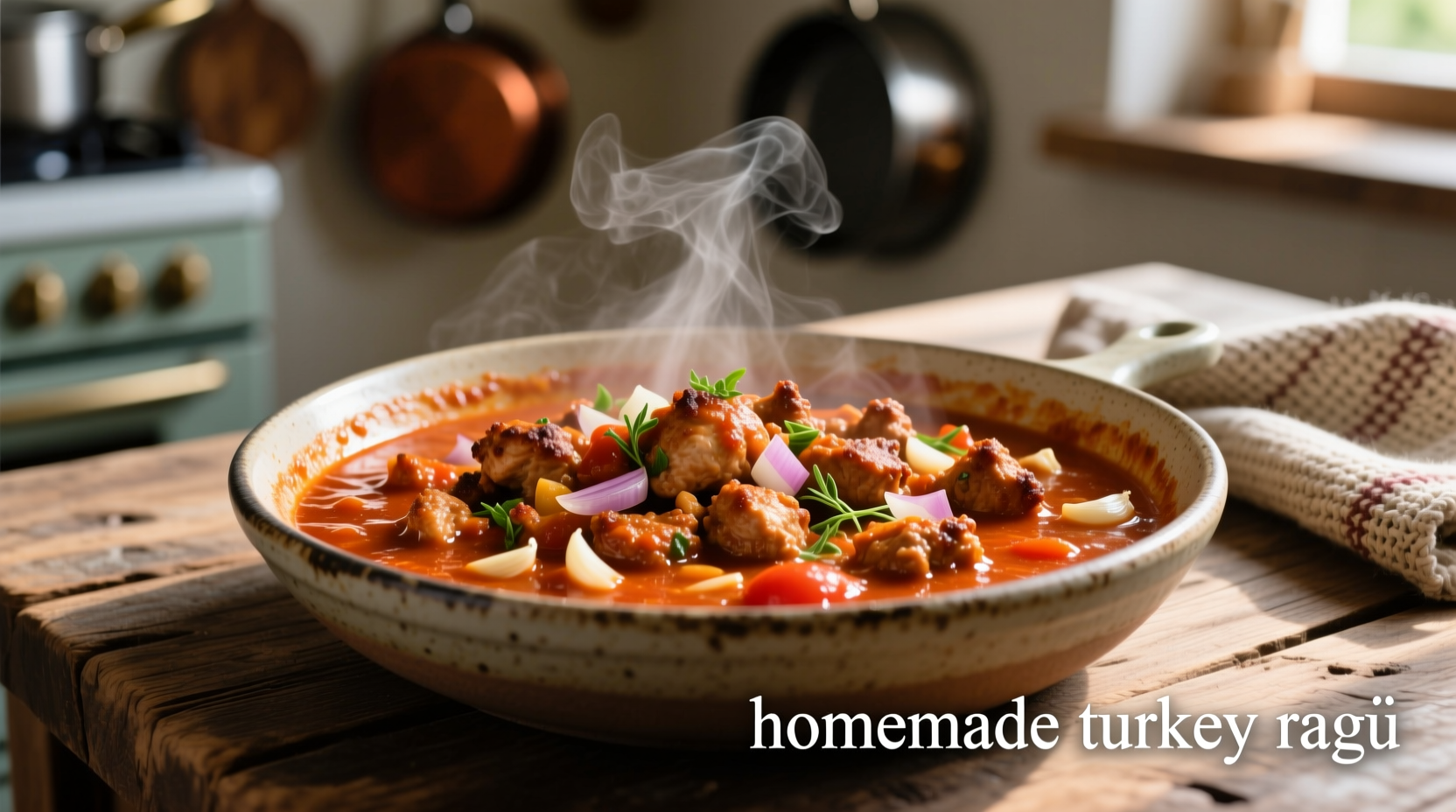
Why Ground Turkey and Tomato Sauce Make the Perfect Pair
When you combine lean ground turkey with robust tomato sauce, you're creating a nutritionally superior alternative to traditional meat sauces without sacrificing flavor. The mild taste of ground turkey readily absorbs the acidity and umami notes from quality tomato sauce, creating a balanced profile that works across multiple cuisines—from Italian pasta sauces to Mexican-inspired dishes.
Unlike ground beef, turkey's lower fat content (typically 7% vs 15-20% in lean beef) means less grease to drain and a cleaner final product. However, this also requires specific cooking techniques to prevent dryness—a common complaint when substituting turkey for beef in tomato-based recipes.
Mastering the Cooking Process: Professional Techniques
The key to exceptional ground turkey tomato sauce lies in proper browning and moisture management. Start by selecting 93% lean ground turkey, which provides enough fat for flavor while maintaining health benefits. As noted by the USDA Food Safety and Inspection Service, poultry must reach 165°F internal temperature for safe consumption—use an instant-read thermometer to verify.
Here's the professional chef method for optimal results:
- Heat olive oil in a heavy-bottomed skillet over medium-high heat
- Add diced onions and sauté until translucent (about 5 minutes)
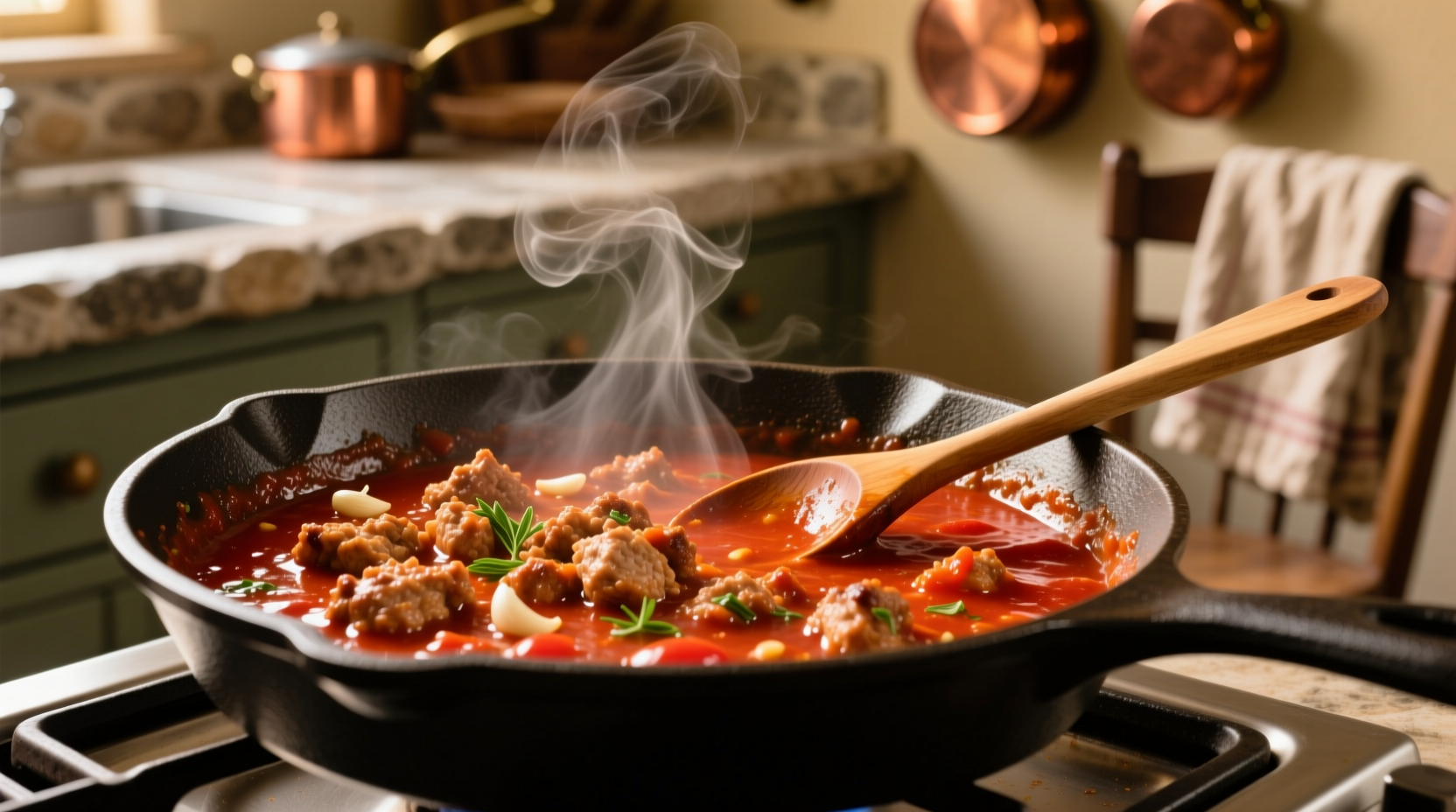
- Crumbled turkey should be added in a single layer without overcrowding
- Allow undisturbed browning for 3-4 minutes before breaking up
- Drain excess liquid only after complete browning
- Add tomato sauce and simmer for 15-20 minutes to develop flavors
This technique prevents the common mistake of steaming the turkey instead of browning it, which creates a rubbery texture. The National Poultry and Egg Board confirms that proper browning develops flavor compounds through the Maillard reaction, essential for rich-tasting sauces.
Ingredient Selection Guide
Not all tomato sauces deliver equal results with ground turkey. Choose products with minimal added sugar and no artificial preservatives for the cleanest flavor profile. Here's how common tomato products compare:
| Tomato Product | Best For | Ratio to 1lb Turkey |
|---|---|---|
| Canned crushed tomatoes | Hearty pasta sauces | 24oz |
| Tomato passata | Smooth sauces | 28oz |
| Tomato paste + water | Concentrated flavor | 6oz paste + 16oz water |
Avoiding Common Pitfalls
Three frequent mistakes undermine ground turkey tomato sauce success:
- Over-stirring during browning - Prevents proper sear development
- Adding cold sauce to hot pan - Causes temperature shock and uneven cooking
- Insufficient seasoning - Turkey requires more herbs than beef to compensate for lower fat content
For optimal moisture retention, the American Institute of Culinary Education recommends adding 1-2 tablespoons of tomato paste during the browning phase. This creates a flavor foundation that helps the turkey retain moisture throughout cooking.
Versatile Applications Beyond Pasta
While classic spaghetti remains popular, this combination shines in creative applications:
- Stuffed bell peppers - Mix with rice and cheese for a complete meal
- Casserole layers - Substitute for traditional meat in lasagna
- Meal prep containers - Portion with whole grain pasta for 5-day lunches
- Taco filling - Add cumin and chili powder for Mexican-inspired dishes
Registered dietitians at the Academy of Nutrition and Dietetics note that ground turkey tomato sauce provides excellent meal prep potential due to its freezer stability and nutrient retention. When properly stored, it maintains quality for up to 3 months in the freezer.
Nutritional Advantage Breakdown
The health benefits of choosing ground turkey over beef in tomato sauce are significant. According to USDA FoodData Central analysis:
- 30% fewer calories per serving (280 vs 400)
- 40% less total fat (7g vs 12g)
- Comparable protein content (25g vs 26g)
- Naturally higher in selenium and vitamin B6
These nutritional advantages make ground turkey tomato sauce an excellent choice for heart-healthy diets without compromising on satisfaction.
Flavor Enhancement Strategies
Maximize flavor in your ground turkey tomato sauce with these professional techniques:
- Add 1 tablespoon fish sauce for umami depth (undetectable in final product)
- Include a Parmesan rind while simmering for savory complexity
- Finish with fresh basil and a drizzle of high-quality olive oil
- Use red wine (¼ cup) to deglaze the pan after browning
These methods address the common perception that turkey lacks the richness of beef, creating a sauce that satisfies even discerning palates. The Culinary Institute of America confirms that these techniques effectively compensate for turkey's lower fat content while enhancing overall flavor complexity.
How long does ground turkey tomato sauce last in the refrigerator?
Properly stored in an airtight container, ground turkey tomato sauce remains fresh for 3-4 days in the refrigerator. Always cool the sauce completely before storing and reheat to 165°F for food safety.
Can I freeze ground turkey tomato sauce?
Yes, this sauce freezes exceptionally well for up to 3 months. Portion into freezer-safe containers with ½ inch headspace for expansion. Thaw overnight in the refrigerator before reheating gently on the stove.
Why does my ground turkey sauce turn out dry?
Dryness typically occurs from overcooking or insufficient moisture during preparation. Prevent this by not over-stirring during browning, adding tomato paste early, and maintaining proper simmer temperature (gentle bubbles, not vigorous boiling).
What's the best way to add more flavor to ground turkey sauce?
Boost flavor by browning the turkey properly, adding umami enhancers like tomato paste or fish sauce, incorporating aromatic vegetables, and finishing with fresh herbs. A splash of red wine during cooking also develops complex flavors.




 浙公网安备
33010002000092号
浙公网安备
33010002000092号 浙B2-20120091-4