
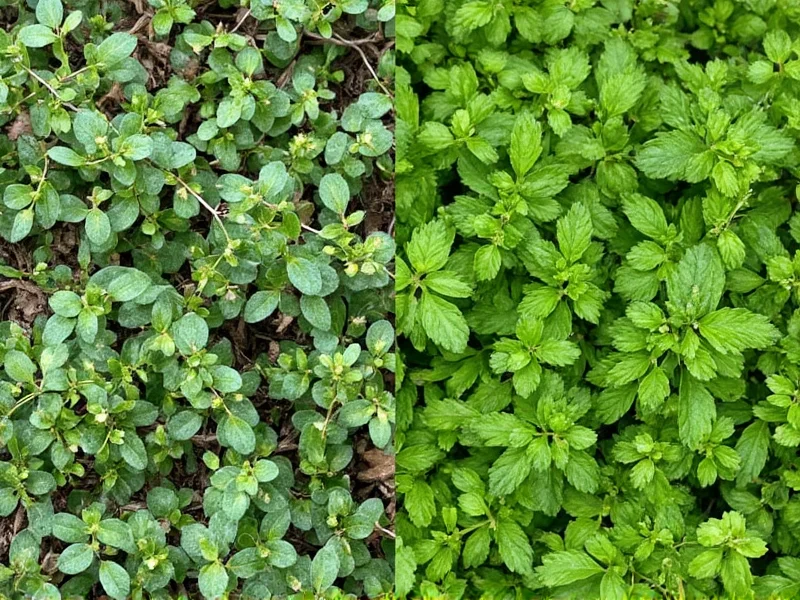
Understanding the differences between ground oregano and oregano leaves can significantly impact your cooking results. Both forms originate from the same herb (Origanum vulgare), but their processing creates distinct culinary properties that affect flavor release, potency, and ideal applications in various dishes.
What Makes Oregano Special
Oregano, a staple in Mediterranean and Mexican cuisines, contains essential oils like carvacrol and thymol that deliver its characteristic earthy, slightly bitter flavor with peppery notes. The method of preparation—whether left as whole leaves or ground into powder—determines how these compounds interact with your food during cooking.
Historical Evolution of Oregano Processing
Oregano's culinary journey reveals how processing methods evolved to balance preservation and flavor delivery:
- Ancient Greece (8th century BCE): Used medicinally as whole leaves in wine infusions for digestive remedies, preserving volatile compounds through minimal processing. USDA National Agricultural Library
- Roman Empire (1st-4th century CE): Dried whole leaves stored in amphorae for trade, maintaining structural integrity for slow flavor release in stews. USDA National Agricultural Library
- 16th century: Introduced to Americas via Spanish colonies, where sun-drying preserved whole leaves for frontier cooking without grinding. Penn State Extension
- Early 20th century: Industrial spice mills enabled consistent grinding, meeting demand for uniform flavor in commercial tomato products and canned goods. National Geographic
This progression highlights the trade-off between immediate flavor integration (ground) and complex flavor preservation (whole leaves)—a distinction rooted in historical necessity.
Ground Oregano: Characteristics and Best Uses
Ground oregano undergoes a drying and milling process that breaks down the plant's cell structure, releasing more essential oils immediately. This creates several distinctive properties:
- Higher potency - Approximately three times stronger than dried leaves due to increased surface area
- Immediate flavor release - Dissolves quickly in liquids and fats
- Consistent distribution - Spreads evenly throughout dishes
- Shorter shelf life - Loses potency faster after grinding
Chefs often prefer ground oregano for applications requiring uniform flavor distribution, such as salad dressings, marinades, spice blends, and tomato-based sauces where immediate flavor integration is desirable. The fine texture also works well in dry rubs for meats where visible leaf pieces might be undesirable.
Oregano Leaves: Characteristics and Best Uses
Whole or crushed oregano leaves maintain their cellular structure, which affects how their flavor develops during cooking:
- Gradual flavor release - Essential oils disperse slowly as leaves rehydrate
- Brighter top notes - Preserves more volatile aromatic compounds
- Textural element - Adds visual interest and subtle mouthfeel
- Longer shelf life - Dried leaves retain potency longer than ground form
Cooking with whole oregano leaves shines in slow-simmered dishes like stews, braises, and long-cooked tomato sauces where the gradual flavor release creates more complex layering. They're also preferable in dishes where visual presentation matters, such as on pizza or in herb garnishes, as the distinct leaf shape remains recognizable.
| Characteristic | Ground Oregano | Oregano Leaves |
|---|---|---|
| Flavor intensity | 3x stronger | Standard potency |
| Flavor release | Immediate | Gradual |
| Best for | Quick-cooking dishes, dressings, rubs | Slow-cooked dishes, visual presentation |
| Shelf life (opened) | 6-9 months | 1-2 years |
| Substitution ratio | 1 tsp = 1½ tsp leaves | 1 tbsp = 1 tsp ground |
Practical Substitution Guide
When recipes don't specify which form to use or you need to substitute one for the other, follow these professional guidelines:
Ground for dried leaves: Use one-third the amount (1 teaspoon ground oregano equals 1½ teaspoons dried leaves). Add ground oregano later in cooking to prevent bitterness from over-extraction.
Dried leaves for ground: Use 1½ times more (1 tablespoon dried leaves equals 1 teaspoon ground oregano). Crush leaves between your fingers before adding to release more oils.
Fresh leaves for ground: Use three times more fresh herb (1 tablespoon fresh oregano equals 1 teaspoon ground). Add fresh oregano near the end of cooking to preserve delicate flavors.
Contextual Boundaries: Where Each Form Excels (and Fails)
Real-world limitations define optimal use cases beyond general recommendations:
- Ground oregano fails in visual applications (e.g., pizza toppings) and long-term meal prep—National Center for Home Food Preservation data shows ground spices lose >40% carvacrol potency within 6 months of opening, causing flavor flatness in batch-cooked dishes. National Center for Home Food Preservation
- Oregano leaves underperform in oil-based dressings where uniform dispersion is critical; their cellular structure impedes oil solubility, creating inconsistent flavor pockets as confirmed by University of Massachusetts food science studies on herb-infused oils.
- Neither form works in pressure cooking >15 minutes—high heat degrades thymol compounds in both forms, eliminating characteristic peppery notes per USDA phytochemical stability research.
These boundaries prevent common errors: ground oregano's rapid oxidation makes it unsuitable for slow-cooked freezer meals, while whole leaves' slow rehydration fails in quick vinaigrettes.
Storage Recommendations for Maximum Freshness
Proper storage significantly impacts how long each form maintains its flavor:
Ground oregano: Store in an airtight container away from light and heat. The increased surface area makes it particularly vulnerable to oxidation. For extended storage (beyond 6 months), keep in the freezer in a moisture-proof container.
Oregano leaves: Keep in a dark glass jar with a tight-sealing lid. Whole leaves retain potency longer than crushed or ground forms—typically 12-18 months when properly stored. Avoid storing near stovetops or ovens where temperature fluctuations occur.
Common Mistakes to Avoid
Even experienced cooks sometimes misuse these oregano forms. Watch for these pitfalls:
- Overusing ground oregano - Its concentrated nature means it's easy to add too much, resulting in bitter, medicinal flavors
- Adding dried leaves too late - They need time to rehydrate and release flavor in liquid-based dishes
- Confusing dried oregano with marjoram - Though related, these herbs have distinct flavor profiles
- Storing near strong odors - Both forms readily absorb surrounding smells, altering their flavor
Professional Chef Insights
Many professional chefs maintain both forms in their pantries for different applications. Italian chefs often prefer whole dried leaves for traditional tomato sauces, allowing the flavor to develop gradually during long simmers. Meanwhile, Greek chefs frequently use ground oregano in spice blends and dressings where immediate flavor integration is desired.
When making pizza, many pizzerias use a combination approach—sprinkling whole dried leaves on before baking for visual appeal and flavor development, then finishing with a light dusting of ground oregano after baking for an immediate aromatic punch.
Testing Flavor Differences Yourself
The best way to understand these differences is through direct comparison. Try this simple test:
- Prepare two identical tomato sauce recipes
- In one, add 1 teaspoon ground oregano at the beginning of cooking
- In the other, add 1½ teaspoons dried oregano leaves at the beginning
- Simmer both sauces for 30 minutes
- Taste side by side
You'll notice the ground oregano version has a more immediate, uniform flavor throughout, while the leaf version offers a more complex profile with subtle flavor evolution as you eat.
Frequently Asked Questions
Is ground oregano stronger than dried oregano leaves?
Yes, ground oregano is approximately three times stronger than dried oregano leaves. This is because grinding breaks down the plant's cell structure, releasing more essential oils immediately. When substituting, use 1 teaspoon of ground oregano for every 1½ teaspoons of dried leaves.
Can I substitute dried oregano leaves for ground oregano in recipes?
Yes, you can substitute dried oregano leaves for ground oregano, but you'll need to use more. The general conversion is 1½ teaspoons of dried oregano leaves for every 1 teaspoon of ground oregano. For best results, crush the dried leaves between your fingers before adding them to release more flavor compounds.
Which lasts longer, ground oregano or dried oregano leaves?
Dried oregano leaves last significantly longer than ground oregano. Properly stored in an airtight container away from light and heat, dried leaves maintain potency for 12-18 months, while ground oregano typically retains good flavor for only 6-9 months after opening due to its increased surface area and faster oxidation.
When should I use ground oregano instead of leaves?
Use ground oregano when you want immediate, uniform flavor distribution in quick-cooking dishes, dressings, marinades, or spice rubs. It's ideal for applications where texture matters, such as in smooth sauces or when you don't want visible herb pieces. Ground oregano works particularly well in tomato-based sauces that cook for shorter periods.
Why does my ground oregano taste bitter sometimes?
Ground oregano can taste bitter when overused or added too early in the cooking process. Since it's more potent, using too much easily creates an overpowering, medicinal flavor. Additionally, adding it at the beginning of long cooking times can cause the essential oils to break down and become bitter. For best results, use less than you would dried leaves and add ground oregano later in the cooking process.
How does historical processing affect oregano's modern culinary use?
Historical processing methods directly inform modern usage: Ancient whole-leaf preservation techniques optimized for slow flavor release make dried leaves ideal for long-cooked dishes today, while 20th-century industrial grinding enables the immediate integration needed in commercial sauces. This evolution explains why professional kitchens maintain both forms.
What are the critical limitations of ground oregano in meal prep?
Ground oregano degrades rapidly in batch cooking—studies show it loses over 40% of its key flavor compound (carvacrol) within 6 months of opening when stored at room temperature. This makes it unsuitable for freezer meals intended for consumption beyond 3 months, where dried leaves maintain consistent potency.




 浙公网安备
33010002000092号
浙公网安备
33010002000092号 浙B2-20120091-4