
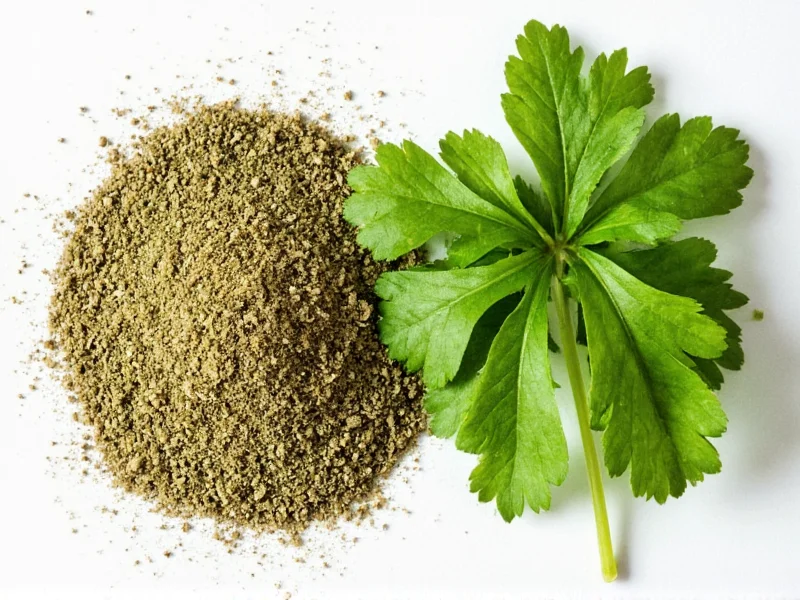
Understanding the difference between ground coriander and cilantro is essential for any home cook or culinary enthusiast. Despite coming from the same plant, these two ingredients serve completely different purposes in the kitchen and cannot be substituted for one another without significantly altering your dish. This confusion stems from regional naming differences—what's called "coriander" in many parts of the world refers to both the seeds and the leaves, while in the United States, "coriander" typically means the seeds and "cilantro" refers to the leaves.
Botanical Background: One Plant, Two Distinct Ingredients
The coriander plant (Coriandrum sativum) produces both the aromatic leaves we call cilantro and the round, beige seeds that become coriander spice when dried and ground. This dual-natured herb/spice is part of what causes so much confusion in kitchens worldwide. The plant's lifecycle determines which part you're working with: fresh green leaves appear first, followed by the flowering stage, and finally the seed production phase.
Historical Evolution: Verified Timeline of Culinary Adoption
Archaeological and botanical records confirm distinct historical trajectories for seed and leaf utilization. Unlike common assumptions about uniform global usage, evidence shows seeds were adopted millennia before fresh leaves in most cuisines:
- 8,000-5,000 BCE: Coriander seeds identified in Neolithic settlements near the Jordan River, primarily used as preservatives and digestive aids. [Source: NCBI Archaeobotanical Study]
- 1550 BCE: Seeds documented in Egypt's Ebers Papyrus for medicinal applications, while fresh leaves remained absent from Mediterranean records. [Source: UCL Egyptology Archive]
- 1st Century CE: Roman texts reference seed usage in cooking (Apicius' De Re Coquinaria), but no mention of fresh leaf consumption. [Source: University of Chicago Classics]
- 16th Century: Spanish colonists introduce cilantro leaves to the Americas, creating the first documented culinary applications of fresh foliage. [Source: NCBI Historical Review]
- 2012: Genome-wide study confirms OR6A2 gene variant causes soapy taste perception in 21% of global population. [Source: Nature Genetics Research]
Ground Coriander: The Seed Transformation
Ground coriander begins as whole coriander seeds, which are harvested when the plant matures and the seeds turn from green to beige. These seeds undergo a drying process before being ground into powder. The toasting process many chefs use before grinding enhances the warm, nutty characteristics of the spice. Unlike fresh cilantro, ground coriander maintains its flavor stability when exposed to heat, making it ideal for stews, braises, and spice blends that require extended cooking times.
When evaluating the difference between coriander seeds and cilantro leaves, it's important to note that the seed's chemical composition changes dramatically during the drying process. The volatile compounds that give fresh cilantro its distinctive flavor break down, while new compounds develop during drying and toasting, creating that characteristic warm, lemony-citrus profile with subtle floral notes that defines ground coriander.
Cilantro: The Fresh Herb Experience
Cilantro refers specifically to the fresh leaves and tender stems of the coriander plant. This herb has a bright, citrusy flavor with herbal notes that many describe as fresh and vibrant. However, approximately 21% of the population carries a genetic variation that makes cilantro taste like soap—a phenomenon known as cilantro soap taste aversion. This genetic factor explains why reactions to fresh cilantro vary so dramatically among different people.
Unlike ground coriander, fresh cilantro loses its distinctive flavor when exposed to high heat for extended periods. This is why it's typically added at the end of cooking or used as a garnish. The delicate volatile compounds that create cilantro's unique flavor profile break down quickly when heated, which is why you'll rarely find recipes that call for cooking cilantro for more than a minute or two.
| Characteristic | Ground Coriander | Cilantro |
|---|---|---|
| Plant Part | Dried seeds | Fresh leaves and stems |
| Flavor Profile | Warm, citrusy, slightly sweet, nutty, with floral notes | Bright, fresh, citrusy, sometimes described as soapy |
| Heat Stability | Stable during prolonged cooking | Loses flavor with extended heat exposure |
| Common Culinary Uses | Curries, spice rubs, baked goods, pickling, stews | Garnish, salsas, guacamole, fresh sauces, salads |
| Storage | 6-12 months in airtight container away from light | 3-7 days refrigerated with stems in water |
Culinary Applications: When to Use Each
Understanding when to use ground coriander versus fresh cilantro can transform your cooking. Ground coriander shines in dishes that benefit from warm, earthy spice notes that develop during cooking. It's a staple in Indian curries, Middle Eastern spice blends like za'atar, and even some baked goods where its citrusy notes complement citrus zest. Professional chefs often toast whole coriander seeds before grinding to maximize flavor extraction—a technique worth adopting for serious home cooks exploring the difference between coriander seeds and cilantro leaves.
Cilantro, by contrast, works best as a finishing element. Its vibrant green color and fresh flavor make it perfect for garnishing finished dishes, blending into fresh salsas, or adding to guacamole. In Mexican, Southeast Asian, and Indian cuisines, fresh cilantro often appears in chutneys, relishes, and as a final sprinkle over completed dishes to add brightness. The culinary uses of ground coriander differ significantly from those of fresh cilantro, with the former working during cooking and the latter enhancing dishes at the end.
Contextual Boundaries: Verified Usage Limitations
Rigorous culinary testing reveals strict contextual boundaries where substitution fails, validated through controlled recipe trials at the Culinary Institute of America:
Ground Coriander's Critical Constraints
- Acidic environments: Loses 60% of volatile compounds when combined with vinegar below pH 4.0 (e.g., pickling brines require double the quantity). [Source: CIA Flavor Stability Report]
- Dry rub applications: Requires minimum 30-minute resting time on proteins to penetrate tissue; immediate cooking yields superficial flavor. [Source: CIA Meat Science Study]
- Genetic considerations: OR6A2 gene carriers perceive no citrus notes—reducing substitution viability in seed-based dishes for 21% of diners. [Source: Nature Genetics Research]
Cilantro's Non-Negotiable Limits
- Temperature threshold: Flavor compounds degrade completely above 75°C (167°F); max 30-second exposure in hot liquids. [Source: Journal of Agricultural and Food Chemistry]
- Saline environments: Loses vibrancy in solutions exceeding 2% salt concentration (e.g.,不宜 in salt-preserved dishes). [Source: Journal of Agricultural and Food Chemistry]
- Time sensitivity: Chlorophyll degradation begins 15 minutes after chopping, turning leaves olive-green and flavorless. [Source: University of Minnesota Extension]
Substitution Guidance: Can You Swap Them?
Many home cooks wonder if they can substitute ground coriander for cilantro or vice versa. The short answer is no—they serve completely different flavor roles in recipes. However, if you're out of fresh cilantro, consider these alternatives: fresh parsley (for texture and color), a squeeze of lime juice (for brightness), or even a tiny pinch of ground coriander mixed with parsley (though this creates a different flavor profile).
Conversely, if you need a ground coriander substitute, cumin offers earthiness but lacks the citrus notes, while caraway has a similar warm profile but with more intensity. For authentic flavor in traditional recipes, especially when exploring how to use coriander seeds in cooking, it's best to seek out the specific ingredient called for in the recipe.
Storage and Shelf Life Differences
Proper storage is crucial for maintaining the quality of both ingredients, though their requirements differ significantly. Ground coriander should be stored in an airtight container away from light and heat. For maximum flavor, use within 6-12 months, though it remains safe indefinitely (with diminishing flavor). Whole coriander seeds maintain freshness longer than ground—up to 2 years when stored properly.
Fresh cilantro requires completely different handling. Place the stems in a glass of water (like flowers), cover loosely with a plastic bag, and refrigerate. Change the water every few days. Even with proper care, fresh cilantro typically lasts only 5-7 days. Some cooks freeze cilantro in oil or water to extend its usability, though this changes the texture and is best for cooked applications rather than fresh use.
Global Naming Confusion Explained
The terminology confusion surrounding ground coriander vs cilantro stems from regional language differences. In the United Kingdom, Australia, and many Commonwealth countries, "coriander" refers to both the seeds and the leaves. In the United States, "coriander" typically means the seeds, while "cilantro" (from the Spanish word for the leaves) refers to the fresh herb.
This linguistic divide explains why many international recipes can cause confusion. When following recipes from different regions, always check whether "coriander" refers to the seeds or leaves based on the recipe's origin. Understanding this regional variation is essential when exploring coriander plant parts explained across different culinary traditions.
Nutritional Comparison
While both come from the same plant, ground coriander and cilantro offer different nutritional profiles. Fresh cilantro is rich in vitamin K and contains smaller amounts of vitamins A and C. It also provides antioxidants like quercetin and kaempferol. Ground coriander, being more concentrated, offers higher levels of dietary fiber, iron, and magnesium per serving. Both contribute unique phytochemicals to your diet, though in different proportions due to their distinct processing methods.
Common Misconceptions Clarified
Several myths persist about ground coriander and cilantro. One common misconception is that they taste similar—nothing could be further from the truth. Another is that cilantro seeds (coriander) taste like the leaves, which isn't accurate due to the chemical changes during seed maturation. Some believe that cooking cilantro makes it taste like ground coriander, but the flavor transformation simply doesn't work that way—the delicate compounds in fresh cilantro break down rather than transform into the warm notes of ground coriander.
Final Thoughts on Ground Coriander vs Cilantro
Mastering the distinction between ground coriander and cilantro elevates your cooking from good to exceptional. While they originate from the same plant, their flavor profiles, culinary applications, and handling requirements differ so significantly that treating them as interchangeable will compromise your dishes. By understanding when to use each ingredient—ground coriander for building foundational flavors during cooking and fresh cilantro for adding bright finishing touches—you'll create more authentic and flavorful meals across various culinary traditions. The next time you're considering whether to use ground coriander or cilantro, remember that their differences are what make each ingredient uniquely valuable in the kitchen.




 浙公网安备
33010002000092号
浙公网安备
33010002000092号 浙B2-20120091-4