
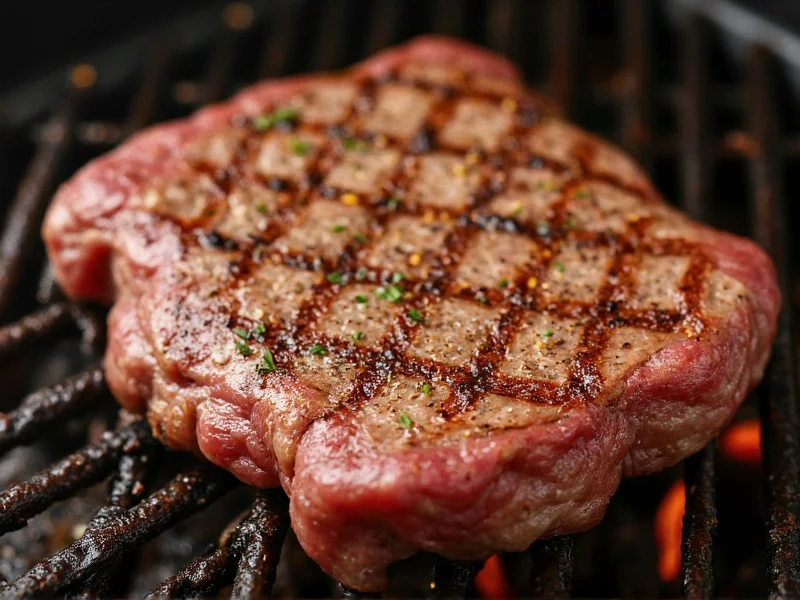
Creating the perfect grilled steak begins long before the meat hits the grate. The right seasoning blend transforms good beef into extraordinary fare through careful ingredient selection and precise application timing. Professional chefs and backyard grill masters agree that simplicity often yields the best results, letting quality meat shine while enhancing its natural flavors.
Why Steak Seasoning Matters
Seasoning isn't just about adding flavor—it's a chemical process that affects texture, moisture retention, and crust development. Salt breaks down muscle fibers, allowing deeper flavor penetration while helping form that desirable Maillard reaction crust. The timing of application significantly impacts both tenderness and juiciness.
Essential Components of a Quality Steak Rub
A foundational steak seasoning requires only three ingredients, though many variations exist for different palates and cooking methods:
| Ingredient | Function | Recommended Type |
|---|---|---|
| Coarse Salt | Flavor enhancer, moisture regulator | Kosher salt or sea salt flakes |
| Freshly Ground Pepper | Complex flavor, slight heat | Coarse black peppercorns |
| Garlic Powder | Umami depth without burning | Pure garlic powder (not granules) |
Advanced Seasoning Blends for Different Preferences
While the classic salt-pepper-garlic combination works for most grilled steak seasoning needs, these variations address specific taste preferences and cooking scenarios:
Basic All-Purpose Blend (per pound of steak)
- 2 teaspoons coarse salt
- 1 teaspoon freshly ground black pepper
- 1 teaspoon garlic powder
Smoky Bourbon Rub
- 1½ teaspoons smoked paprika
- 1 teaspoon bourbon powder (dehydrated bourbon)
- ½ teaspoon onion powder
- ¼ teaspoon cayenne pepper
Herb-Forward Blend
- 1 teaspoon dried thyme
- 1 teaspoon dried rosemary (crushed)
- ½ teaspoon dried oregano
- 1 teaspoon lemon zest powder
Timing Your Seasoning Application
When to season steak for grilling dramatically affects results. Contrary to popular belief, salting too early doesn't necessarily draw out moisture if done correctly:
- 45-60 minutes before grilling: Ideal for most home cooking situations. Allows salt to penetrate while surface dries for better searing
- 2-24 hours before grilling: Best for thick cuts (1.5+ inches). Refrigerate uncovered after seasoning to form a pellicle (dry surface)
- Immediately before grilling: Only acceptable when short on time, but results in less flavor penetration
- Never: Seasoning 5-30 minutes before cooking (draws out moisture without sufficient time for reabsorption)
Avoiding Common Steak Seasoning Mistakes
Even experienced grillers make these seasoning errors that compromise results:
- Using fine table salt: Over-penetrates and creates uneven seasoning. Coarse salt provides better control
- Adding sugar too early: Burns at typical steak grilling temperatures (400-500°F). Save sweet elements for finishing
- Seasoning frozen steak: Moisture prevents proper adhesion and creates steam instead of sear
- Over-seasoning with multiple compounds: Masks the natural beef flavor rather than enhancing it
- Applying oil to steak before seasoning: Creates a barrier that prevents proper seasoning adhesion
Matching Seasonings to Steak Cuts
Different cuts benefit from tailored seasoning approaches. Understanding steak seasoning blend for beginners starts with matching rubs to meat characteristics:
- Ribeye & Porterhouse: Rich marbling handles bold seasonings. Try adding ½ teaspoon onion powder to the basic blend
- Filet Mignon: Delicate flavor benefits from restrained seasoning. Reduce salt by 25% and omit garlic
- Flank & Skirt Steaks: Absorb flavors well. Use citrus-based blends with ½ teaspoon lime zest powder
- Chuck & Round Cuts: Tougher steaks need enzymatic help. Add ¼ teaspoon papain (papaya extract) to tenderize
Professional Steak Seasoning Tips
Mastering homemade steak seasoning recipe techniques separates good grilled steak from exceptional:
- Pat dry before seasoning: Surface moisture prevents proper adhesion and hinders crust formation
- Season all sides: Don't forget the edges, especially for thick cuts where edge seasoning contributes significantly to overall flavor
- Use your hands: Gentle pressing ensures seasoning adheres without damaging meat fibers
- Temperature matters: Bring seasoned steak to room temperature (about 45 minutes) before grilling for even cooking
- Finish with flaky salt: After grilling, add a pinch of Maldon salt for texture contrast and flavor burst
Storage and Preparation
For those preparing dry rub for grilled steak in advance:
- Store blends in airtight containers away from light and heat
- Whole spices maintain freshness longer—grind peppercorns immediately before use
- Homemade blends last 2-3 months; commercial blends up to 6 months
- Never store seasoning blends with oil—they'll spoil quickly
- Make small batches to ensure peak flavor intensity




 浙公网安备
33010002000092号
浙公网安备
33010002000092号 浙B2-20120091-4