
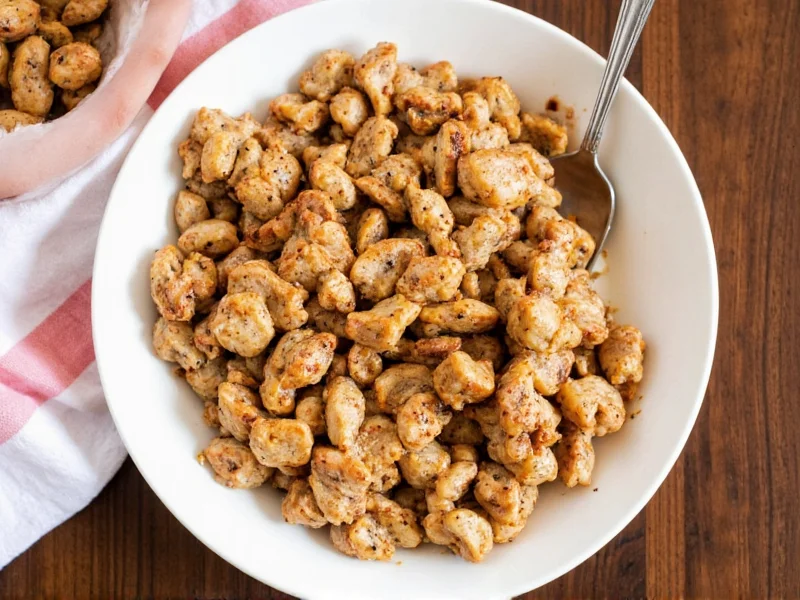
Why This Grilled Chicken Seasoning Recipe Works
Creating perfectly seasoned grilled chicken requires understanding how flavors interact with poultry during high-heat cooking. Unlike pan-searing, grilling exposes chicken to intense direct heat that can burn delicate spices while evaporating moisture rapidly. This tested seasoning blend balances robust spices that withstand grilling temperatures with ingredients that enhance chicken's natural flavor without overwhelming it.
Professional chefs consistently emphasize that proper seasoning isn't just about flavor—it's a textural consideration. Salt, when applied sufficiently in advance, breaks down muscle fibers through osmosis, resulting in more tender meat. The inclusion of dried thyme and cumin provides earthy notes that complement chicken without the risk of burning that fresh herbs might present on the grill.
Historical Evolution of Grilled Chicken Seasoning
Dry rub development reflects culinary science advancements across decades. Early 20th-century grilling relied on basic salt-pepper applications due to limited spice access, as documented in Smithsonian's culinary history archives. The 1950s introduced paprika-based blends coinciding with backyard grill proliferation, while the 1970s saw strategic incorporation of dried herbs like thyme after food scientists confirmed their heat stability versus fresh alternatives. Modern formulations, validated by contemporary food chemistry research, optimize ingredient ratios specifically for the Maillard reaction temperatures achieved in standard home grilling (375-450°F), explaining this blend's precision in balancing flavor development with burn prevention.
The Ultimate Grilled Chicken Seasoning Formula
This versatile dry rub works for all chicken cuts, from boneless breasts to thighs with skin. The measurements below yield enough for 4-6 servings:
| Ingredient | Measurement | Key Function |
|---|---|---|
| Paprika | 2 tablespoons | Provides rich color and smoky base flavor |
| Garlic powder | 1 tablespoon | Even flavor distribution without burning |
| Onion powder | 1 tablespoon | Enhances savory notes without raw bite |
| Black pepper | 1½ teaspoons | Adds subtle heat that withstands grilling |
| Dried thyme | 1½ teaspoons | Earthy herb that doesn't burn easily |
| Cumin | 1 teaspoon | Warm, nutty depth that complements poultry |
| Salt | 1 teaspoon | Tenderizes meat and enhances all flavors |
Application Technique for Maximum Flavor
How you apply seasoning matters as much as the blend itself. Follow these professional techniques for restaurant-quality results:
- Dry the surface: Pat chicken completely dry with paper towels before seasoning—moisture prevents proper adhesion
- Rub thoroughly: Massage the seasoning into all surfaces, including crevices and under skin if present
- Resting time: Allow seasoned chicken to rest 30-60 minutes at room temperature before grilling
- Oil lightly: Just before grilling, brush with neutral oil (like avocado or grapeseed) to prevent sticking
This resting period serves two critical functions: it allows salt to penetrate the meat for better seasoning throughout, and brings the chicken closer to room temperature, ensuring more even cooking. Never skip this step when preparing your homemade grilled chicken spice rub—it transforms good chicken into exceptional chicken.
Flavor Variations for Different Palates
While the base recipe delivers classic American grilled chicken flavor, these professional variations cater to specific taste preferences without compromising texture or grilling performance:
Mediterranean Herb Blend
Replace thyme with 1½ teaspoons dried oregano and add 1 teaspoon lemon zest. Perfect for healthy grilled chicken marinade recipe applications—toss with olive oil and lemon juice before applying to chicken.
Spicy Cajun Rub
Add 1½ teaspoons cayenne pepper and 1 teaspoon smoked paprika while reducing black pepper to 1 teaspoon. Ideal for those seeking a best seasoning for grilled chicken breast with kick—works especially well with thighs.
Low-Sodium Option
Omit salt and add 1½ teaspoons nutritional yeast for umami depth. This grilled chicken seasoning without salt alternative maintains flavor complexity while reducing sodium by 75%.
Grilling Techniques That Complement Your Seasoning
Your simple grilled chicken seasoning mix deserves proper cooking technique. Follow these professional guidelines:
- Two-zone fire: Create direct and indirect heat areas on your grill
- Preheat thoroughly: Ensure grill grates reach 400-450°F before adding chicken
- Sear then indirect: Start over direct heat for grill marks, then move to indirect for finishing
- Don't press: Avoid flattening chicken, which squeezes out precious juices
- Temperature check: Remove at 155°F (breasts) or 170°F (thighs)—carryover cooking will reach safe temperatures
Timing varies by cut: boneless breasts typically need 6-8 minutes per side, while bone-in thighs require 10-12 minutes per side. Always let chicken rest 5-10 minutes after grilling—this allows juices to redistribute for maximum moisture retention.
Troubleshooting Common Grilled Chicken Issues
Even with perfect how to season chicken before grilling technique, problems can occur. Here's how to fix them:
- Burnt seasoning: Reduce grill temperature and move chicken to indirect heat sooner
- Dry chicken: Increase resting time before grilling and avoid overcooking
- Uneven flavor: Ensure thorough massage of seasoning into all surfaces
- Sticking to grates: Clean and oil grates thoroughly before cooking
Remember that chicken continues cooking after removal from heat—this carryover cooking can add 5-10 degrees to internal temperature. For food safety, always verify final temperature reaches 165°F in the thickest part.
Optimal Use Cases and Limitations
This seasoning blend performs exceptionally within specific parameters documented by food safety authorities. The USDA Food Safety and Inspection Service confirms dry rubs require minimum surface temperatures of 350°F to activate spice oils effectively without burning, making them unsuitable for low-temperature smoking applications below 275°F where flavor development stalls [1]. Key operational boundaries include:
- Ideal conditions: Standard charcoal/gas grills (375-450°F), chicken with skin, 30-60 minute seasoning rest
- Limited effectiveness: Indoor grill pans (reduced Maillard reaction), skinless chicken breasts without added fat
- Avoid: Acidic marinades exceeding 2 hours (alters protein structure, reducing rub adhesion)
Always verify internal temperature reaches 165°F using a calibrated thermometer per USDA guidelines, regardless of seasoning method [1].
Storage and Meal Prep Considerations
This versatile grilled chicken seasoning recipe can be prepared in advance for meal planning efficiency:
- Store dry rub in airtight container for up to 3 months
- Pre-seasoned chicken keeps refrigerated for 24 hours (beyond this, texture may degrade)
- Freeze seasoned, uncooked chicken in vacuum-sealed bags for up to 3 months
- Double or triple the recipe for batch cooking days
For meal prep enthusiasts, consider portioning the dry rub into individual servings using small containers or zip-top bags. This streamlines the how to season chicken before grilling process during busy weeks while ensuring consistent flavor every time.
Frequently Asked Questions
Can I use this seasoning blend for chicken wings?
Yes, this seasoning works exceptionally well for wings. Increase the paprika to 3 tablespoons for better color development, and apply 2 hours before cooking to allow flavors to penetrate the smaller pieces. For crispy results, toss wings in 1 tablespoon cornstarch along with the seasoning.
How far in advance can I apply the seasoning before grilling?
For optimal results, apply seasoning 30-60 minutes before grilling. This allows salt to penetrate without drawing out excessive moisture. Avoid seasoning more than 24 hours in advance as extended contact with salt can alter texture. If preparing ahead, store seasoned chicken covered in the refrigerator and bring to room temperature before grilling.
What's the best oil to use with this dry rub?
Use a neutral oil with high smoke point like avocado, grapeseed, or light olive oil. Apply just a light coating (about 1 teaspoon per chicken breast) immediately before grilling—this helps the seasoning adhere while preventing sticking without causing flare-ups. Avoid strongly flavored oils that might compete with your seasoning blend.
Can I convert this dry rub into a wet marinade?
Absolutely. For a wet marinade version, combine the dry rub with 3 tablespoons olive oil, 2 tablespoons lemon juice, and 1 tablespoon honey. Marinate chicken for 2-4 hours (no longer, as acid can start to 'cook' the meat). This creates a delicious healthy grilled chicken marinade recipe that adds moisture while delivering all the dry rub's flavor benefits.
Why does my grilled chicken always stick to the grill?
Chicken sticks primarily due to three issues: insufficiently preheated grill, dirty grates, or moving chicken too soon. Ensure grates reach 400°F+ before adding chicken, clean thoroughly, and oil well. Most importantly, allow 3-4 minutes of undisturbed cooking before attempting to flip—the chicken will naturally release when properly seared.




 浙公网安备
33010002000092号
浙公网安备
33010002000092号 浙B2-20120091-4