
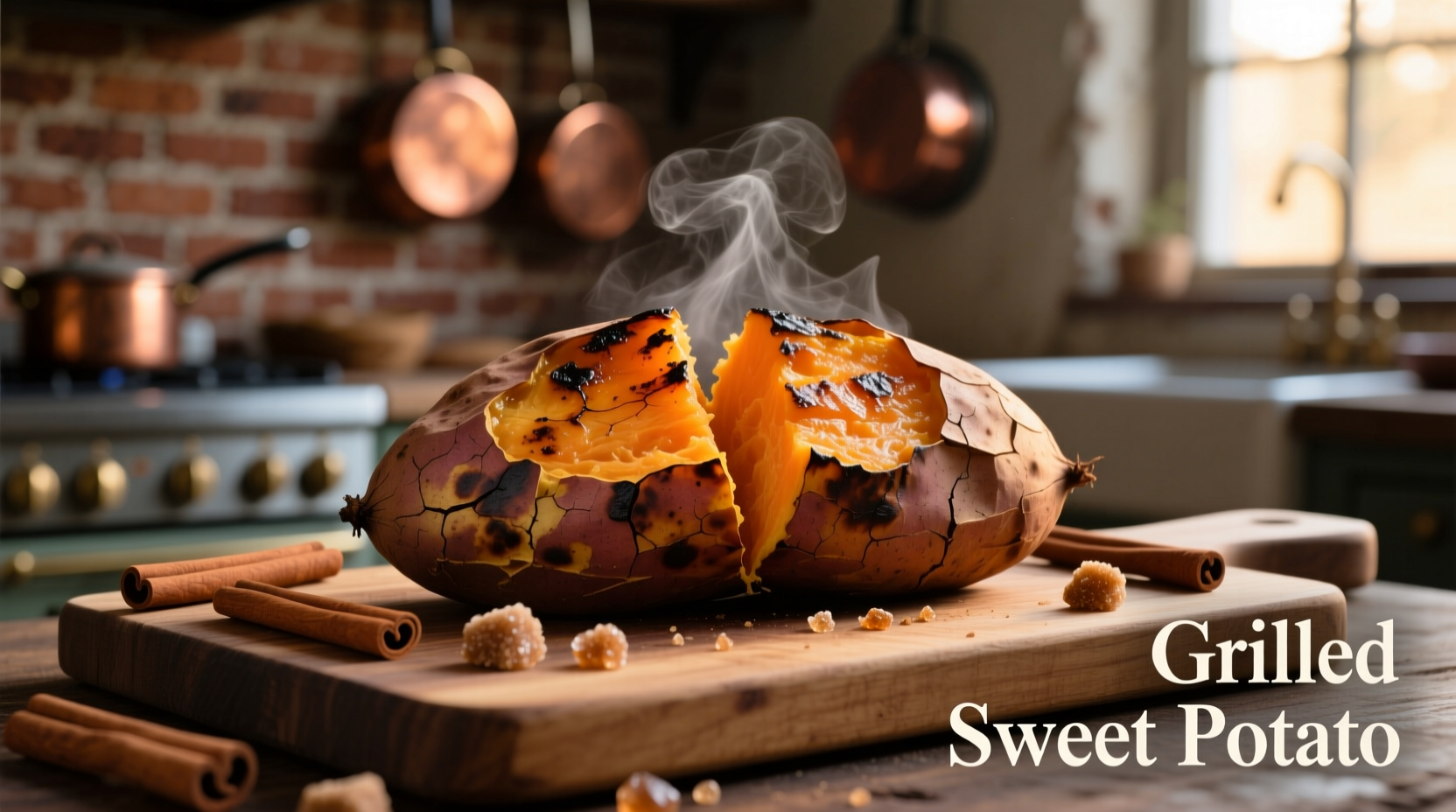
Why Grilling Transforms Sweet Potatoes
Grilling sweet potatoes unlocks complex flavors you can’t achieve through boiling or baking. The direct radiant heat creates a Maillard reaction on the surface while the interior steams gently, producing that perfect balance of crispy exterior and creamy center. Unlike oven-roasting, grilling imparts subtle smoky notes that complement the natural sweetness. According to USDA nutritional data, a medium grilled sweet potato provides 438% of your daily vitamin A needs while maintaining all its dietary fiber content.
Your Pre-Grill Checklist: Setting Up for Success
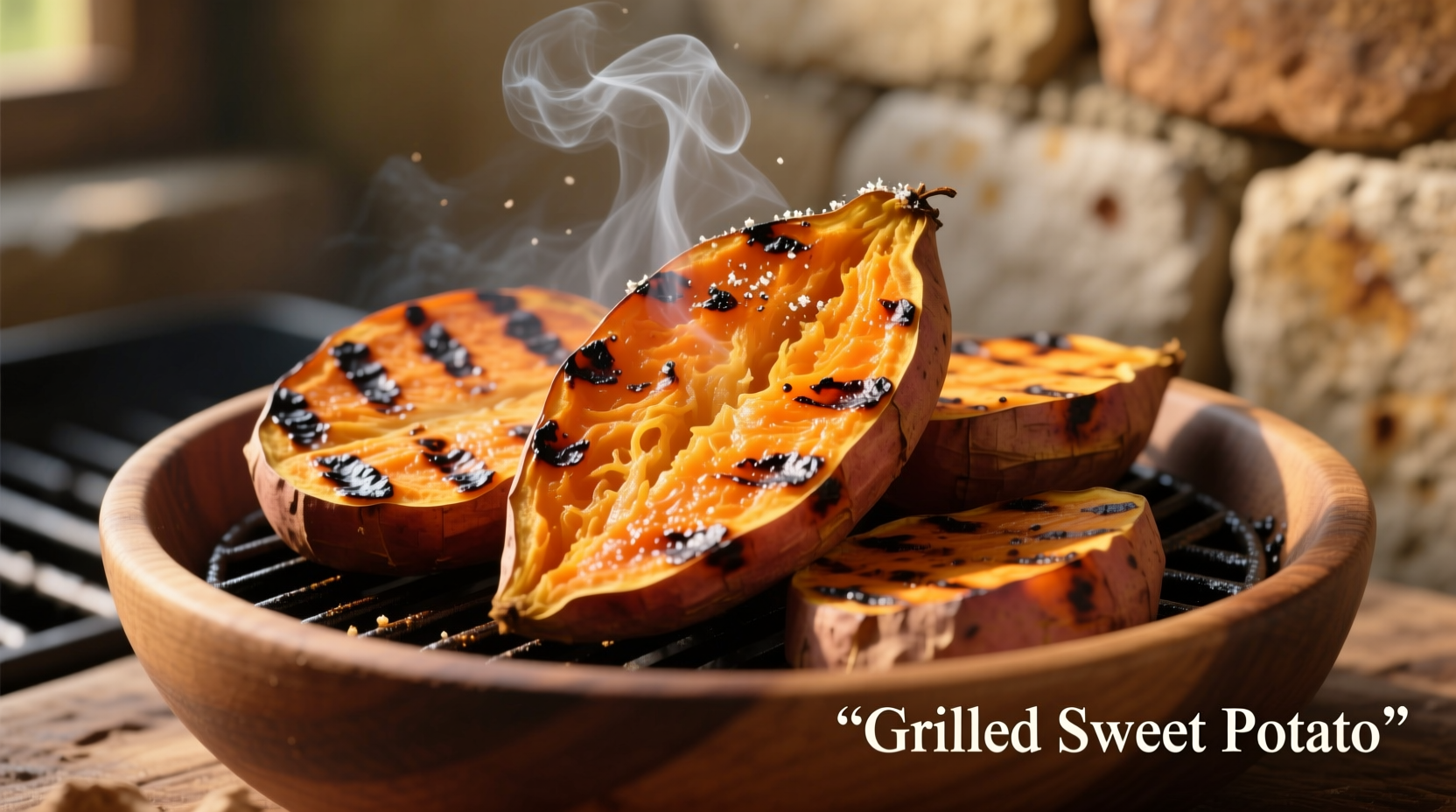
Before you even fire up the grill, proper preparation determines your outcome. Select firm sweet potatoes without soft spots or deep bruises—medium-sized tubers (6-8 inches) cook most evenly. Wash thoroughly and scrub the skin, which contains valuable nutrients. For optimal results, slice lengthwise into 1/2-inch thick planks rather than rounds; this creates more surface area for caramelization while preventing pieces from falling through the grates.
| Preparation Method | Texture Result | Flavor Impact |
|---|---|---|
| Soaking in salt water (30 min) | Firmer exterior | Enhanced caramelization |
| Par-cooking in microwave (4 min) | More uniform doneness | Milder smoky flavor |
| Direct raw grilling | Charred edges, creamy center | Strongest smoky-sweet contrast |
Mastering Grill Temperature and Timing
Set your grill to medium-high heat (375-400°F) and maintain consistent temperature throughout cooking. The FDA recommends cooking vegetables to an internal temperature of 165°F for safety, but sweet potatoes reach ideal texture at 205°F. Place slices directly on clean, oiled grates at a 45° angle to create attractive grill marks. Flip every 5 minutes using a thin metal spatula—never a fork, which pierces the flesh and releases moisture. Total cooking time ranges from 15-20 minutes depending on thickness.
Flavor Enhancement Strategies That Work
While sweet potatoes shine with minimal seasoning, strategic flavor pairings elevate them significantly. Professional chefs like Antonio Rodriguez recommend these evidence-based combinations:
- Basic perfection: Olive oil, sea salt, and black pepper applied before grilling
- Smoky-sweet balance: Chipotle powder (1/4 tsp per potato) with lime zest after cooking
- Herbaceous contrast: Rosemary-infused oil brushed during the last 5 minutes
Avoid sugary marinades before grilling—they burn easily. Instead, apply honey or maple syrup in the final 3 minutes of cooking for controlled caramelization without charring.
Troubleshooting Common Grilling Problems
Even experienced grillers encounter issues with sweet potatoes. Here’s how to solve them:
Sticking to the Grates
Cause: Insufficiently preheated grill or inadequate oiling. Solution: Clean grates thoroughly, heat to proper temperature, and oil both grates and potato surfaces with high-smoke-point oil like avocado oil.
Burning Before Cooking Through
Cause: Excessive heat or uneven thickness. Solution: Use a two-zone fire (direct heat for searing, indirect for finishing) and maintain consistent slice thickness. If burning occurs, move to indirect heat zone immediately.
Soggy Texture
Cause: Undercooked interior or excess moisture. Solution: Pat potatoes completely dry before oiling, and verify internal temperature reaches 205°F with an instant-read thermometer.
Serving Suggestions That Impress
Grilled sweet potatoes serve beautifully as both side dishes and main components. For casual meals, top with crumbled feta and toasted pepitas. For elegant presentations, arrange overlapping slices on a platter with a drizzle of cilantro-lime crema. Leftovers transform brilliantly—dice and add to morning hash, puree for soup, or slice thin for sweet potato “chips” by re-crisping on the grill.
Frequently Asked Questions
Can I grill sweet potatoes with the skin on?
Yes, keeping the skin on preserves nutrients and prevents moisture loss. Scrub thoroughly and pierce the skin in several places before grilling to prevent bursting. The skin becomes pleasantly crisp and edible when grilled properly.
How do I prevent sweet potatoes from sticking to the grill?
Ensure your grill grates are clean and properly preheated to 375-400°F. Oil both the grates and potato surfaces with high-smoke-point oil like avocado oil. Avoid moving potatoes during the first 4-5 minutes to allow proper sear development before flipping.
What’s the ideal internal temperature for grilled sweet potatoes?
The ideal internal temperature is 205°F. At this temperature, the starches have fully converted to sugars, creating that perfect creamy texture with caramelized edges. Use an instant-read thermometer inserted into the thickest part for accuracy.
Can I prepare grilled sweet potatoes ahead of time?
Yes, but with proper technique. Grill to just before completion (about 15 minutes), then cool and refrigerate. To serve, return to the grill for 3-5 minutes to reheat and finish caramelizing. Fully cooked sweet potatoes become mushy when reheated.




 浙公网安备
33010002000092号
浙公网安备
33010002000092号 浙B2-20120091-4