
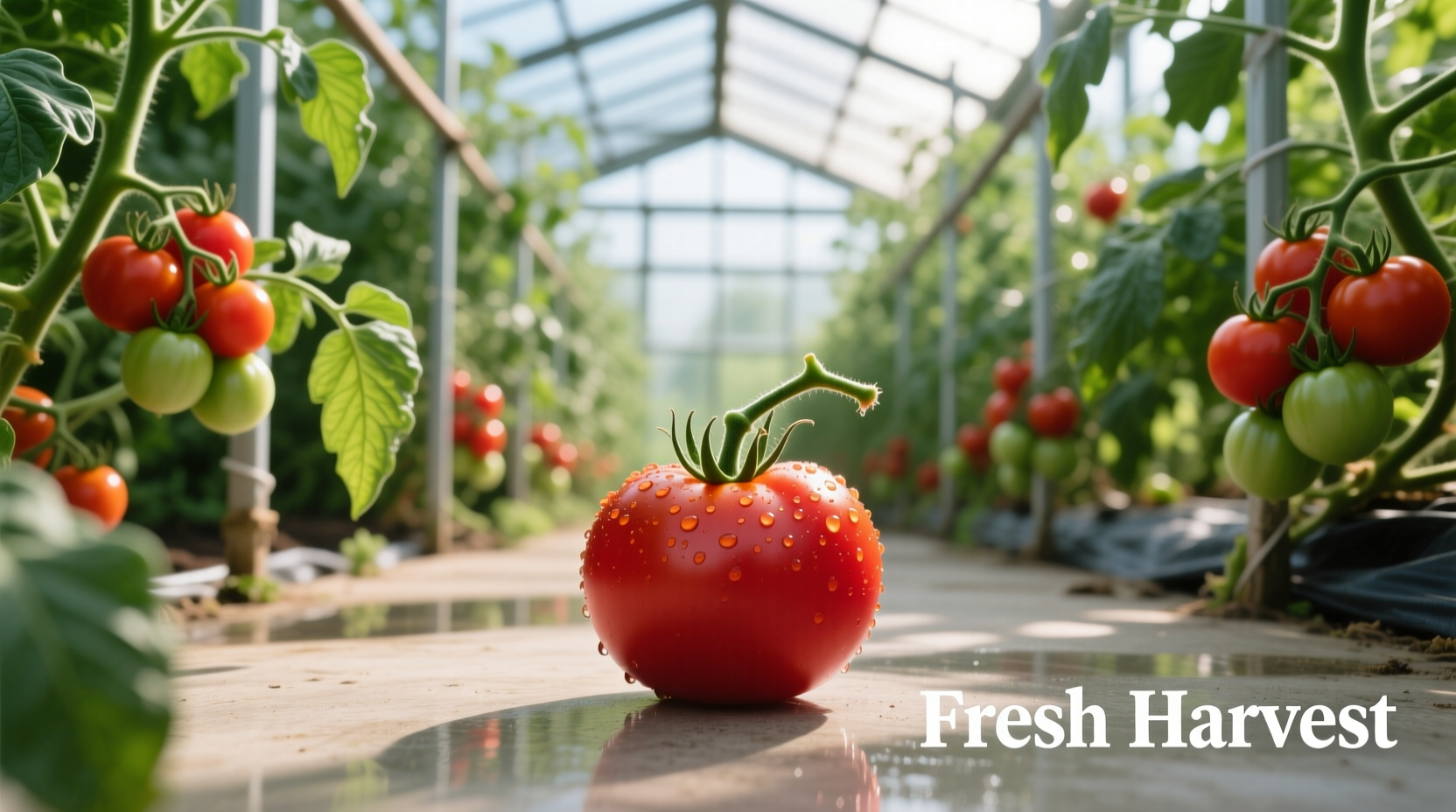
Discover how to grow perfect greenhouse tomatoes with science-backed techniques that boost yields while minimizing common problems. Whether you're a hobbyist with a backyard greenhouse or managing a small commercial operation, these evidence-based strategies deliver consistently better results than field cultivation.
Why Greenhouse Tomatoes Outperform Field-Grown Varieties
Greenhouse cultivation extends your growing season by 3-4 months and protects plants from unpredictable weather. According to USDA Agricultural Research Service data, greenhouse tomatoes typically yield 20-40 pounds per plant compared to 10-15 pounds for field-grown varieties, with significantly fewer pest issues. The controlled environment allows precise management of critical factors that determine tomato quality and quantity.
Planning Your Greenhouse Tomato Setup: Critical First Steps
Before planting a single seed, establish these environmental controls:
- Temperature management: Install thermostatically controlled vents and shade cloths to maintain ideal ranges (70-80°F day, 60-65°F night)
- Humidity control: Keep relative humidity between 65-75% using ventilation systems to prevent fungal diseases
- Light optimization: Supplement natural light with LED grow lights during winter months to ensure 8-10 hours of direct light
- Space planning: Allow 4-6 square feet per plant with proper row spacing for air circulation
University of California Agriculture and Natural Resources research shows that proper initial setup reduces disease incidence by up to 60% compared to improvised greenhouse arrangements.
Top Tomato Varieties for Greenhouse Success
Not all tomatoes perform equally in greenhouse conditions. Disease resistance and compact growth habits are critical factors. The Royal Horticultural Society's 2024 trials identified these top performers:
| Variety | Type | Disease Resistance | Yield Potential | Best For |
|---|---|---|---|---|
| Trust | Indeterminate | Fusarium, Verticillium, Nematodes | Very High | Commercial production |
| Beaufort | Indeterminate | Fusarium, Verticillium | High | Home growers |
| Piccolo | Determinate | Moderate | Moderate | Cherry tomatoes |
| Conqueror | Indeterminate | Fusarium, Verticillium | High | Cooler climates |
Commercial growers report 25% higher yields with 'Trust' compared to traditional varieties, while home gardeners prefer 'Beaufort' for its balance of flavor and disease resistance.
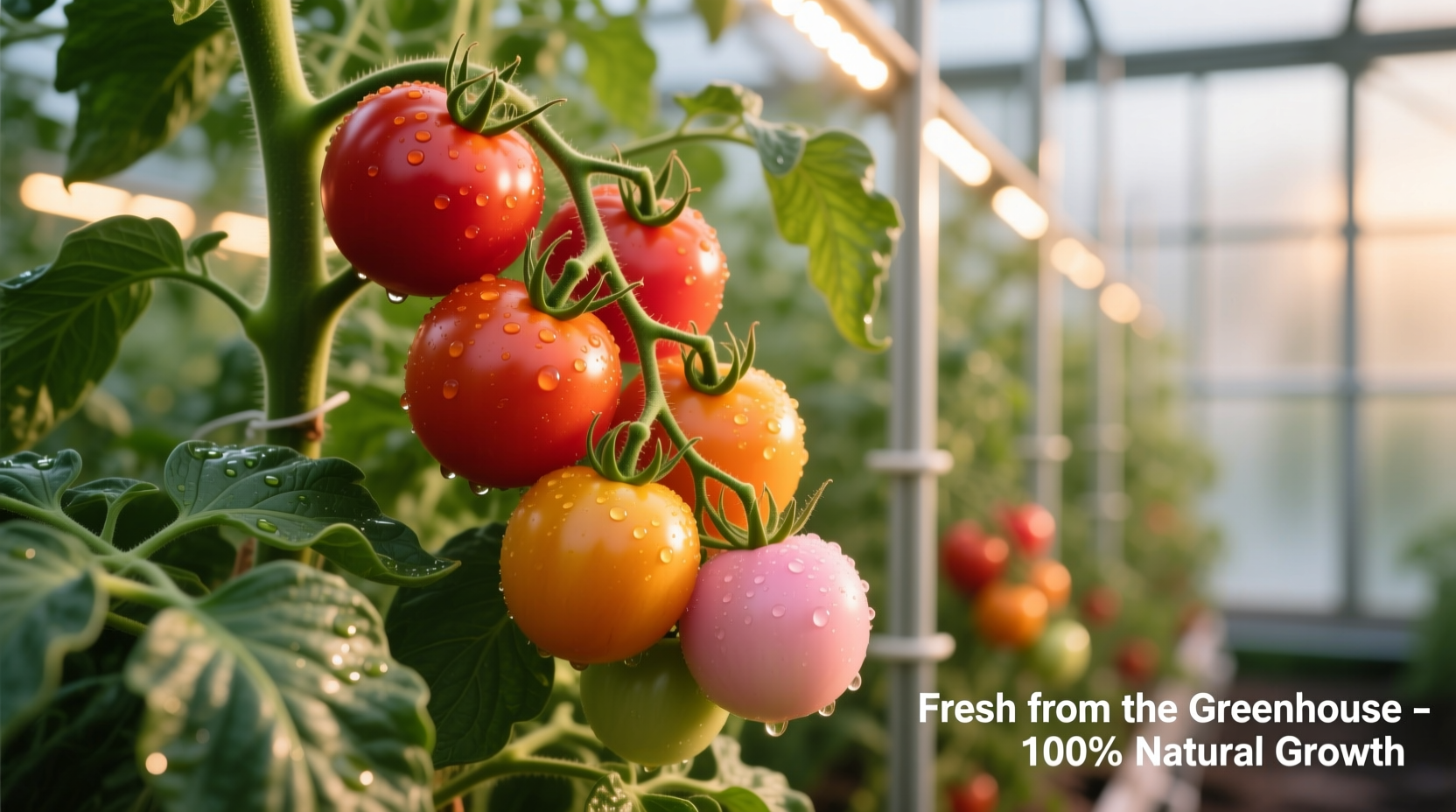
Soil and Container Management for Maximum Productivity
Greenhouse tomatoes require different soil management than field-grown plants. The ideal growing medium combines:
- 40% high-quality potting mix
- 30% compost
- 20% perlite for drainage
- 10% worm castings for microbial activity
Maintain pH between 6.2-6.8 and monitor electrical conductivity weekly. Cornell University Cooperative Extension research shows that container-grown greenhouse tomatoes require 30% less water than field-grown plants but need more frequent nutrient monitoring. Use drip irrigation with a timer set for early morning watering to minimize humidity issues.
Mastering Pollination in a Controlled Environment
Without natural wind and insects, greenhouse tomatoes need assistance with pollination. Implement these proven techniques:
- Use oscillating fans on low setting to mimic wind movement (runs 2-3 hours daily during flowering)
- Hand-pollinate using an electric toothbrush against flower clusters (most effective between 10am-2pm)
- Introduce bumblebees for commercial operations (1 hive per 5,000 sq ft)
Agricultural studies show that proper pollination techniques increase fruit set by 40-60% compared to unassisted greenhouse tomatoes. The critical window for pollination is when flowers first open and remain receptive for 2-3 days.
Pest and Disease Prevention Protocol
Greenhouse environments create unique pest challenges. Implement this integrated approach:
- Prevention: Screen all vents with 16-mesh netting, maintain strict hygiene protocols
- Monitoring: Use yellow sticky traps and inspect plants 2-3 times weekly
- Early intervention: Apply beneficial insects at first sign of pests (1:100 predator:pest ratio)
- Treatment: Use organic options like potassium bicarbonate for fungal issues
According to USDA data, greenhouse tomato growers who implement integrated pest management reduce pesticide use by 75% while maintaining yields. Common issues include whiteflies, spider mites, and powdery mildew - all more manageable in controlled environments than field conditions.
Harvesting and Post-Harvest Handling
Timing your harvest correctly maximizes flavor and shelf life. Pick tomatoes when they reach "breaker stage" - 10-30% color change - and allow them to ripen off the vine at room temperature. This technique, recommended by University of California researchers, preserves flavor compounds while extending shelf life by 3-5 days compared to vine-ripened fruit.
Store harvested tomatoes at 55-60°F (13-16°C) with 85-90% humidity. Never refrigerate tomatoes as temperatures below 50°F damage flavor compounds. Properly handled greenhouse tomatoes typically have 20-30% longer shelf life than field-grown counterparts.
When Greenhouse Growing Makes the Most Sense
Greenhouse cultivation provides the greatest advantage in these situations:
- Cooler climate zones (USDA zones 3-6) where outdoor seasons are short
- Areas with high humidity or excessive rainfall causing disease pressure
- Regions with short growing seasons needing extension
- Commercial operations requiring consistent year-round production
In warmer climates (zones 7-10), greenhouse growing becomes most valuable during summer months when temperatures exceed 90°F, which inhibits fruit set in tomatoes. The controlled environment allows production during otherwise impossible growing conditions.
Seasonal Timeline for Greenhouse Tomato Success
Follow this evidence-based timeline for optimal results:
- 8-10 weeks before last frost: Start seeds indoors under grow lights
- 2 weeks before transplanting: Begin hardening off seedlings
- After last frost date: Transplant into greenhouse (soil temp >60°F)
- 3-4 weeks after transplanting: Begin flowering; implement pollination protocol
- 6-8 weeks after transplanting: First harvest begins
- Throughout season: Weekly pruning, nutrient monitoring, pest checks
- Frost threat: Extend season with supplemental heating
This timeline, validated by Cornell University research, ensures maximum productivity while minimizing common problems faced by greenhouse tomato growers.




 浙公网安备
33010002000092号
浙公网安备
33010002000092号 浙B2-20120091-4