
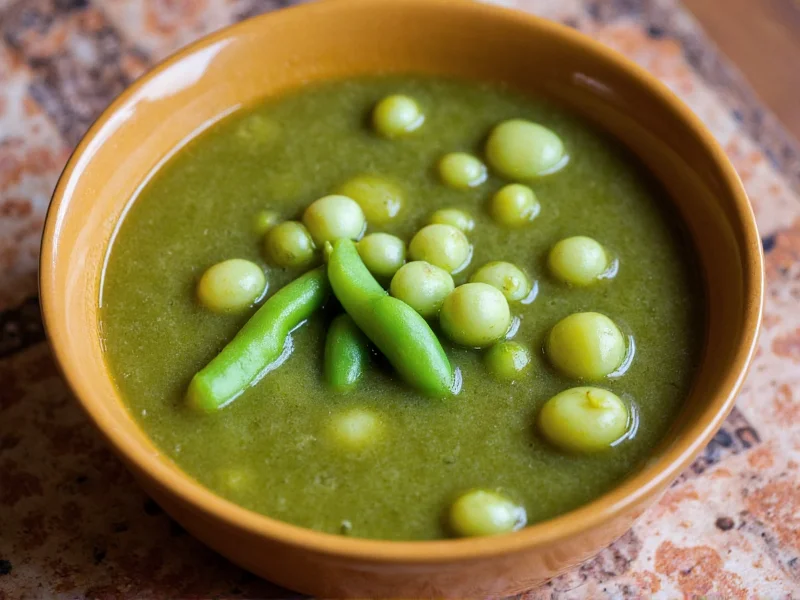
Creating exceptional green string bean soup requires understanding both technique and ingredient synergy. Unlike heavier cream-based soups, this light yet satisfying dish showcases how humble vegetables can transform into a restaurant-quality meal with proper preparation. The key lies in balancing the beans' natural grassy notes with complementary aromatics while preserving their vibrant color and delicate texture.
The Nutritional Powerhouse in Your Bowl
Green string beans (also called snap beans) form the foundation of this soup, delivering remarkable nutritional benefits. A single cup of cooked green beans provides 20% of your daily vitamin C needs and 15% of vitamin K, plus significant fiber and folate. When transformed into soup, these nutrients become more bioavailable while maintaining their health-promoting properties.
| Nutrient | Per Serving (1.5 cups) | Daily Value % |
|---|---|---|
| Calories | 95 | 5% |
| Fiber | 5g | 18% |
| Vitamin A | 2500 IU | 50% |
| Vitamin C | 18mg | 30% |
| Iron | 1.5mg | 8% |
Historical Evolution of Green Bean Soup
Green string bean soup has evolved from humble agricultural roots to a globally recognized comfort food. Ancient Mesoamerican civilizations first cultivated common beans (Phaseolus vulgaris) around 8000 BC, but the podded "snap bean" variety essential for modern soup emerged only after 19th-century selective breeding. This transformation is documented in agricultural research archives as a critical development in vegetable utilization.
| Era | Development | Documentation Source |
|---|---|---|
| 8000 BC | Initial domestication of common beans in Mesoamerica and Andes regions | University of Georgia Extension |
| 1528 | Introduction to European cuisine by Spanish explorers; initially used as dried shelled beans | University of Georgia Extension |
| 1894 | Dr. Calvin Keeney develops first stringless variety in New York, enabling whole-pod soup preparation | University of Georgia Extension |
| 1940s | Post-war rationing popularizes bean-based soups in American households | USDA National Agricultural Library |
Dietary Context and Limitations
While nutritionally beneficial, green string bean soup has specific dietary considerations. The high fiber content (5g per serving) provides excellent digestive support but may cause discomfort for individuals managing gastrointestinal conditions during active flare-ups. According to clinical guidelines from the Academy of Nutrition and Dietetics, low-fiber diets (<12g daily) are recommended during acute phases of inflammatory bowel disease, making this soup unsuitable during those periods.
Sodium management presents another critical consideration. Commercial broths typically contain 700-900mg sodium per cup, potentially exceeding 40% of the American Heart Association's recommended daily limit (1,500mg) in a single serving. For cardiovascular health maintenance, the AHA specifically advises using no-salt-added broths or homemade alternatives when preparing bean-based soups.
Essential Ingredients for Authentic Flavor
The magic of traditional green string bean soup comes from ingredient quality and proper technique rather than complexity. For the best results, you'll need:
- Fresh green beans (1.5 lbs) - look for firm, brightly colored pods without blemishes
- Aromatic base - 1 diced onion, 2 minced garlic cloves, and 1 diced celery stalk
- Flavor enhancers - 4 cups quality vegetable broth, 1 bay leaf, and fresh thyme
- Finishing touches - lemon zest and a drizzle of extra virgin olive oil
Fresh vs. Frozen: Evidence-Based Ingredient Analysis
Ingredient selection significantly impacts nutritional outcomes. USDA FoodData Central provides objective comparisons between fresh and frozen green beans, revealing important considerations for soup preparation. While frozen beans show marginal vitamin reduction due to blanching before freezing, they often surpass off-season fresh imports in nutrient density and consistency.
| Nutrient (per 100g raw) | Fresh (In-Season) | Frozen (Unprepared) | Practical Implication |
|---|---|---|---|
| Vitamin C | 12.2 mg | 6.2 mg | Frozen requires acid finish (lemon) to compensate for oxidation loss |
| Fiber | 2.7g | 2.8g | Comparable digestive benefits; frozen may have slight edge in consistency |
| Vitamin A (RAE) | 37 µg | 27 µg | Fresh preferred for maximum carotenoid retention in summer months |
| Cost (Seasonal Avg.) | $2.50/lb | $1.80/lb | Frozen offers 30% cost savings during winter months (USDA ERS data) |
Source: USDA FoodData Central (Fresh), USDA FoodData Central (Frozen), USDA Economic Research Service
Step-by-Step Preparation Guide
Follow these professional techniques to create restaurant-quality green string bean soup at home:
- Prep the beans: Trim ends and cut into 1-inch pieces. For extra elegance, cut on a diagonal.
- Sweat aromatics: In a heavy-bottomed pot, cook onions and celery in olive oil over medium heat until translucent (5-7 minutes). Add garlic during the last minute.
- Build flavor foundation: Add half the beans and cook for 3 minutes to develop flavor through the Maillard reaction.
- Simmer gently: Add broth, bay leaf, thyme, and remaining beans. Bring to a simmer (not boil) and cook uncovered for 15-20 minutes until beans are tender but still vibrant green.
- Texture perfection: For creamy texture without dairy, blend 1/3 of the soup until smooth, then return to pot.
- Final seasoning: Remove bay leaf, stir in lemon zest, and adjust salt and pepper to taste.
Seasonal Variations Worth Trying
Green string bean soup adapts beautifully to different seasons and dietary preferences. Consider these authentic variations:
- Spring version: Add fresh peas and mint during the last 5 minutes of cooking
- Summer adaptation: Incorporate cherry tomatoes and basil for a garden-fresh twist
- Winter hearty version: Add diced potatoes and a touch of smoked paprika
- Vegan creamy option: Blend with 1/4 avocado instead of dairy for richness
- Protein boost: Stir in white beans or lentils for added nutrition
Avoiding Common Preparation Mistakes
Even simple soups can go wrong without proper technique. Steer clear of these frequent errors when making your green string bean soup recipe:
- Overcooking the beans: This destroys their vibrant color and turns them mushy. Test for doneness starting at 15 minutes.
- Boiling vigorously: A gentle simmer preserves texture and prevents ingredient breakdown.
- Adding salt too early: Wait until beans are nearly tender to prevent toughening.
- Skipping the acid component: Lemon or vinegar brightens flavors—add just before serving.
- Using low-quality broth: The broth forms 60% of your soup's flavor profile.
Storage and Reheating Best Practices
Green string bean soup maintains excellent quality when stored properly. Cool completely before transferring to airtight containers. Refrigerate for up to 4 days or freeze for up to 3 months. When reheating, add a splash of broth or water as the soup may thicken during storage. Never boil when reheating—gentle warming preserves the beans' texture. For best results, reheat only the portion you'll consume immediately.
Frequently Asked Questions
Can I use frozen green beans for homemade green string bean soup?
Yes, high-quality frozen green beans work well for soup preparation. Thaw them completely and pat dry before adding to prevent excess water from diluting your broth. Frozen beans often retain nutrients better than off-season fresh beans, making them a practical year-round option for your easy green string bean soup recipe.
How do I prevent my green string bean soup from turning brown?
To maintain vibrant green color, avoid overcooking (15-20 minutes maximum), keep the soup at a gentle simmer rather than boil, and add an acid like lemon juice at the end. The acid helps preserve chlorophyll. Also, immediately transfer the soup to a cold bowl after cooking to stop the cooking process if not serving right away.
What are the best herbs to complement green string bean soup flavor?
Fresh thyme and parsley provide the most authentic pairing for traditional green string bean soup. Dill works beautifully in spring versions, while tarragon adds sophistication to more refined preparations. For winter variations, a small amount of rosemary complements heartier versions. Always add delicate herbs like parsley and dill at the very end of cooking to preserve their flavor and color.
Can green string bean soup be made in an Instant Pot?
Yes, you can prepare green string bean soup in an Instant Pot using the sauté function for aromatics, then pressure cooking for just 3 minutes with quick release. However, traditional stovetop preparation yields superior texture as pressure cooking can make the beans too soft. If using an Instant Pot, add half the beans before pressure cooking and the remaining half during the sauté step after cooking to maintain texture variation.
How does green bean soup fit into therapeutic diets?
Green string bean soup provides excellent fiber for digestive health maintenance but should be modified during active gastrointestinal flare-ups. For low-fiber therapeutic diets (under 12g daily), remove skins from blended portions. For renal diets, use no-salt-added broth and omit added salt. Always consult your dietitian for personalized modifications as recommended by the Academy of Nutrition and Dietetics.




 浙公网安备
33010002000092号
浙公网安备
33010002000092号 浙B2-20120091-4