

Discover exactly how dangerous green potatoes really are, when to discard them, and practical steps to keep your family safe. This guide provides science-backed information from food safety authorities to help you make informed decisions about potato consumption.
Why Potatoes Turn Green and What It Means for Safety
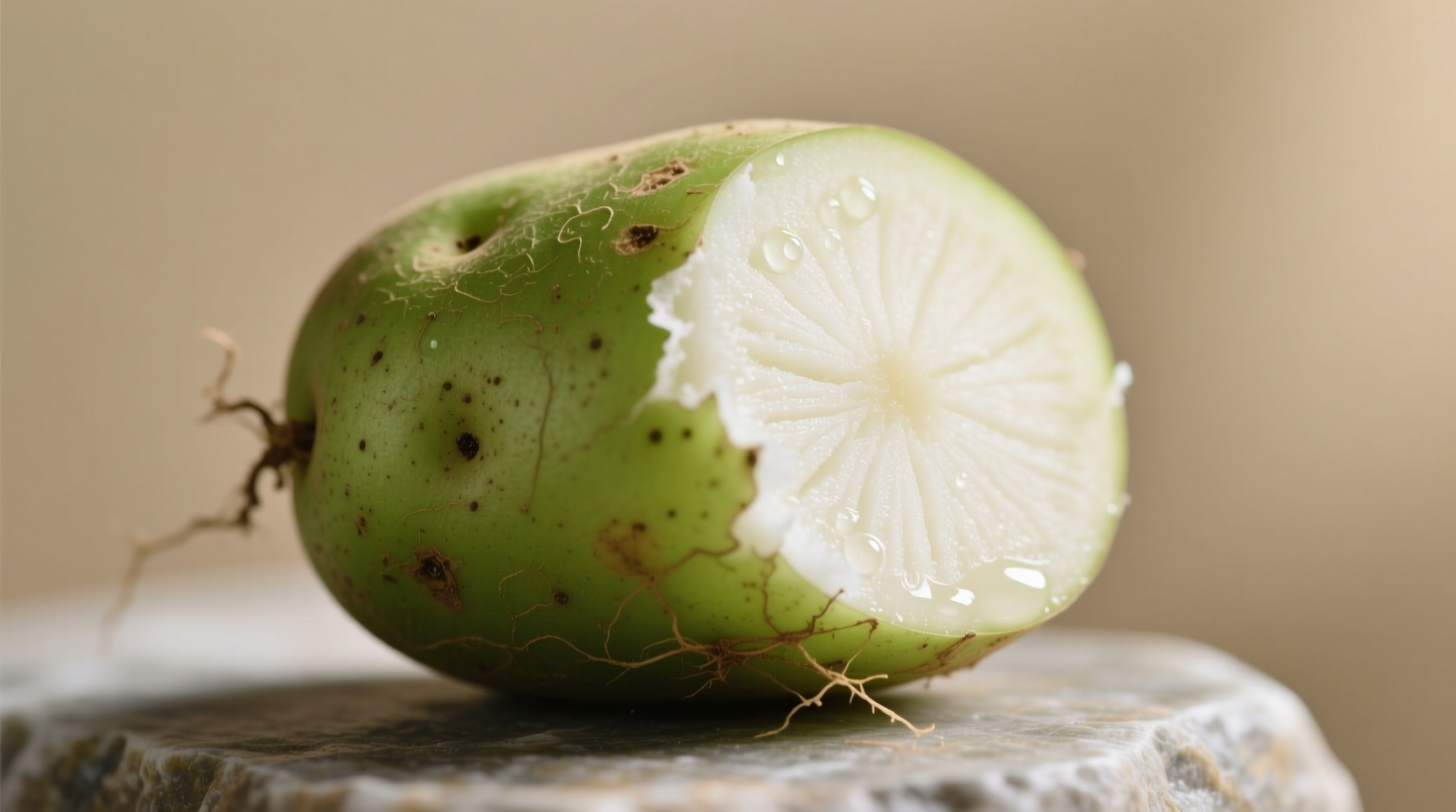
When potatoes are exposed to light, they produce chlorophyll (making them green) and simultaneously increase solanine production. While chlorophyll itself is harmless, it serves as a visible indicator of potentially elevated solanine levels. Solanine is a glycoalkaloid toxin naturally produced by potatoes as a defense mechanism against pests and sunlight.
According to the U.S. Food and Drug Administration, proper storage in cool, dark places prevents both greening and solanine accumulation. The greening process begins within 48 hours of light exposure, with solanine levels increasing proportionally to the intensity and duration of exposure.
Understanding Solanine Levels and Actual Risk
Not all green potatoes pose equal danger. The risk depends on solanine concentration, which varies based on multiple factors:
| Condition | Solanine Level (mg/100g) | Associated Risk |
|---|---|---|
| Fresh, properly stored potato | 2-13 | No risk |
| Slightly green surface | 20-30 | Low risk (peeling recommended) |
| Moderately green throughout | 30-60 | Moderate risk (discard recommended) |
| Extremely green, sprouted, soft | 60-100+ | High risk (immediate discard) |
This data aligns with research published in the Journal of Agricultural and Food Chemistry confirming that solanine concentrations above 20 mg/100g warrant caution, while levels exceeding 100 mg/100g can cause acute symptoms in sensitive individuals.
Symptoms Timeline: What to Watch For After Consumption
If you've consumed green potatoes, understanding the progression of potential symptoms is crucial. The Centers for Disease Control and Prevention outlines this typical timeline:
- 30-120 minutes: Initial gastrointestinal discomfort, including stomach cramps and nausea
- 2-8 hours: Vomiting, diarrhea, headache, and dizziness intensify
- 8-24 hours: Neurological symptoms may appear in severe cases (confusion, vision changes)
- 24-72 hours: Most symptoms resolve with proper hydration and rest
How Much Green Potato Constitutes a Danger?
The World Health Organization establishes a safe threshold of 1 mg of solanine per kilogram of body weight. For an average adult (70 kg), this translates to approximately 70 mg of solanine before potential symptoms.
Practical translation: An adult would need to consume at least 2 pounds of moderately green potatoes (with solanine levels around 35 mg/100g) to reach potentially toxic levels. Children require proportionally less to reach concerning exposure levels.
Key context boundaries to understand actual risk:
- Peeling removes up to 90% of solanine, which concentrates just beneath the skin
- Cooking doesn't significantly reduce solanine levels (unlike many other food toxins)
- Individual sensitivity varies considerably based on age, health status, and genetics
- Commercial potatoes are regularly tested to ensure solanine stays below safety thresholds
Practical Prevention: Your Potato Safety Checklist
Follow these evidence-based practices to minimize risk:
- Store properly: Keep potatoes in a cool (45-50°F), dark, well-ventilated place - never in refrigeration which increases sugar content
- Inspect regularly: Check stored potatoes weekly and remove any showing greening or sprouting
- Peel green areas: Remove all green sections plus 1/8 inch of surrounding tissue when preparing
- Discard questionable potatoes: When more than 1/3 shows greening or the potato feels soft/mushy
- Keep away from children: Store potatoes out of reach as children are more sensitive to solanine
What to Do If You've Consumed Green Potatoes
Most cases of mild green potato consumption require no medical intervention. Follow these steps:
- Stop eating the potato immediately
- Drink plenty of water to help flush your system
- Eat bland foods like toast or rice for the next 24 hours
- Monitor for symptoms over the next 12 hours
Seek medical attention if you experience:
- Persistent vomiting or diarrhea lasting more than 4 hours
- Neurological symptoms like confusion or vision changes
- Symptoms in children, pregnant women, or immunocompromised individuals
When contacting healthcare providers, mention "possible solanine poisoning from green potatoes" to ensure proper assessment. The USDA Agricultural Research Service confirms that medical professionals can test for glycoalkaloid levels if poisoning is suspected.
Common Misconceptions About Green Potatoes
Several myths persist about green potatoes that deserve clarification:
- Myth: All green potatoes will make you seriously ill
Fact: Minor surface greening poses minimal risk when properly peeled - Myth: Cooking destroys the toxin
Fact: Solanine remains stable through normal cooking temperatures - Myth: Organic potatoes don't produce solanine
Fact: Solanine production is a natural plant defense mechanism regardless of farming method




 浙公网安备
33010002000092号
浙公网安备
33010002000092号 浙B2-20120091-4