
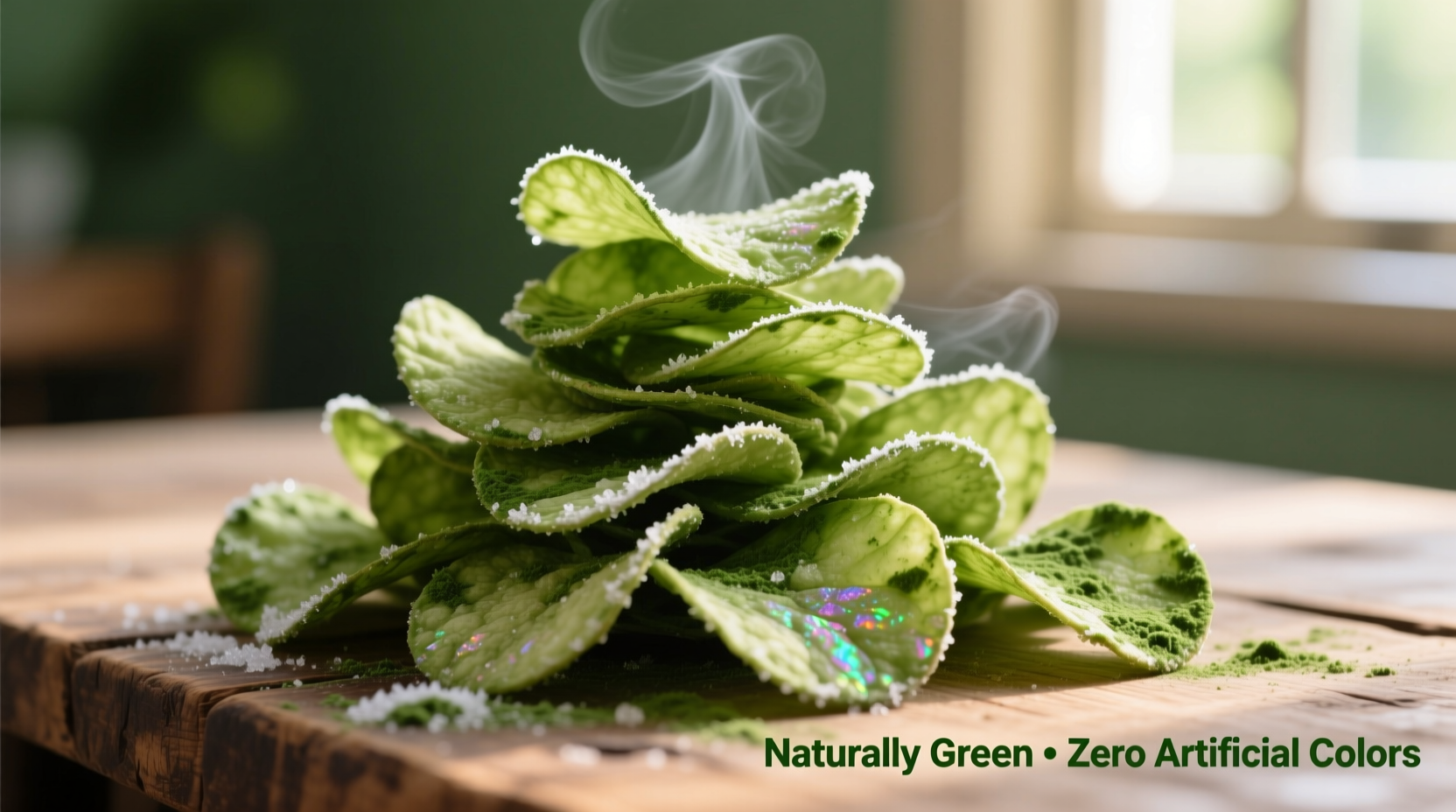
Ever pulled out potatoes for chip-making only to find unsettling green patches? You're not alone. That unexpected color change sparks immediate concern about safety and edibility. Understanding what causes green potato chips and how to respond properly prevents unnecessary food waste while keeping your kitchen safe.
The Science Behind Green Potato Chips
When potatoes encounter light exposure—whether during storage or display—their natural defense mechanism activates. This biological process involves two key compounds:
- Chlorophyll: The green pigment that gives plants their color, completely harmless but visually alarming in potatoes
- Solanine: A naturally occurring glycoalkaloid that develops alongside chlorophyll as a protective toxin
According to USDA agricultural research, greening begins within 48 hours of light exposure, with solanine concentrations increasing proportionally to the visible green areas. The National Institute of Food and Agriculture confirms that properly stored potatoes maintain solanine levels below 20mg/100g—the safety threshold established by European Food Safety Authority.
| Greening Level | Solanine Concentration | Recommended Action |
|---|---|---|
| Minimal surface spots | 20-50mg/100g | Peel deeply (1/8 inch) and proceed |
| Moderate greening | 50-100mg/100g | Discard affected portions completely |
| Extensive greening | 100+mg/100g | Discard entire potato immediately |
Practical Handling Guide for Home Cooks
When you discover green potatoes destined for chip-making, follow this professional kitchen protocol:
- Immediate assessment: Determine greening extent before peeling—surface spots versus deep discoloration
- Strategic peeling: Remove all green areas plus 1/8 inch surrounding tissue where solanine concentrates
- Sensory check: Taste a small raw piece—if bitter, discard entire potato regardless of greening level
- Proper storage: Keep potatoes in complete darkness at 45-50°F (7-10°C) to prevent future greening
Food safety experts at Cornell University's Department of Food Science emphasize that refrigeration actually worsens the problem by converting starches to sugars, causing undesirable browning during frying. Instead, use breathable containers like paper bags in cool, dark pantries.
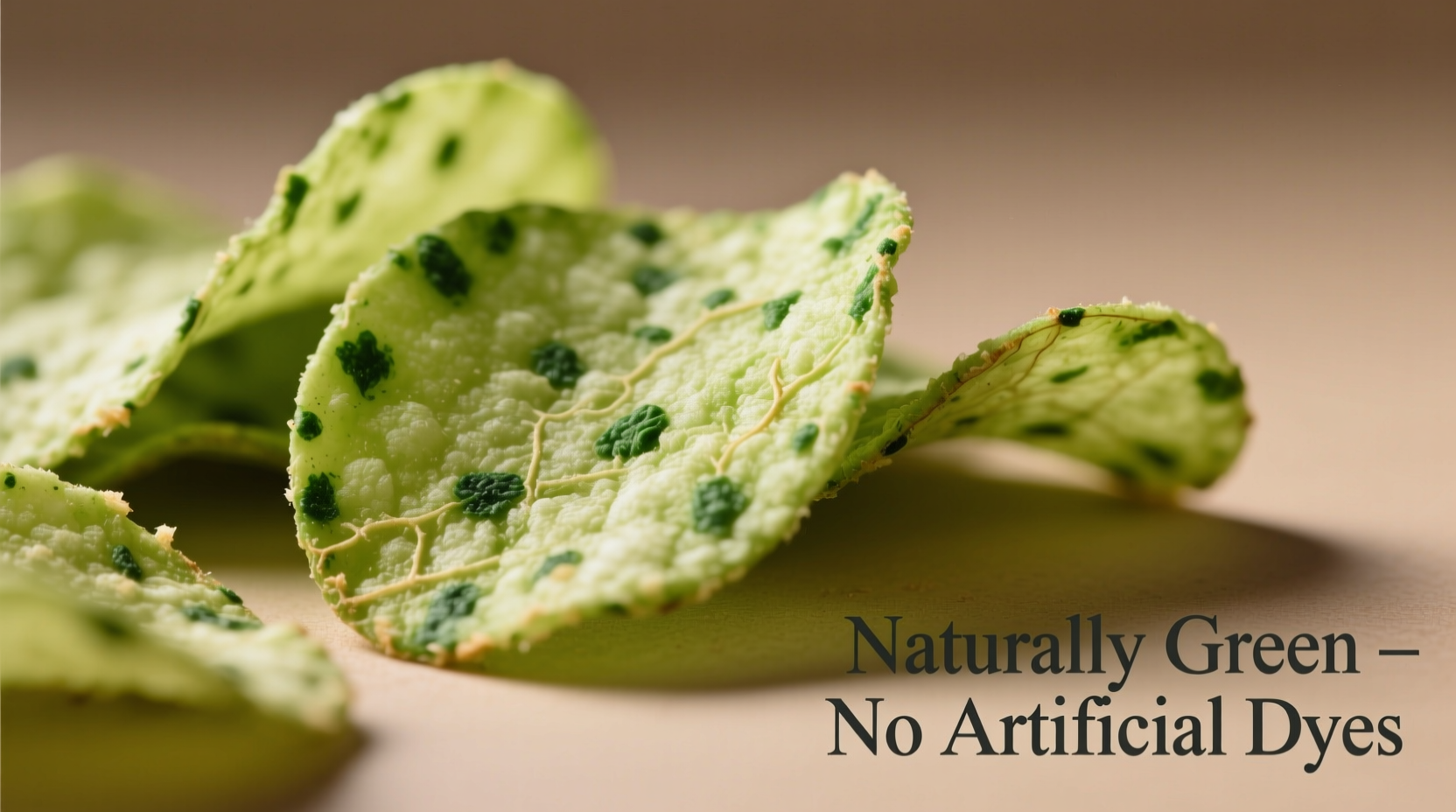
When Green Potato Chips Become Dangerous
While minor greening poses little risk, certain conditions dramatically increase solanine levels:
- Exposure to fluorescent or direct sunlight for more than 72 hours
- Potatoes showing both green color and sprouting
- Green areas accompanied by bitter taste or burning sensation
The FDA warns that solanine concentrations exceeding 200mg/100g can cause gastrointestinal distress, headaches, and neurological symptoms. Vulnerable populations—including children, pregnant women, and immunocompromised individuals—should exercise extra caution with green potatoes.
Preventing Green Potato Chips Before They Happen
Professional kitchens employ these proven prevention strategies:
- Store potatoes in opaque containers away from kitchen windows
- Maintain consistent storage temperature between 45-50°F (7-10°C)
- Use potatoes within 2-3 weeks of purchase for optimal freshness
- Inspect potatoes immediately upon purchase for early greening signs
Research published in the Journal of Agricultural and Food Chemistry demonstrates that proper storage reduces greening incidents by 87% compared to common countertop storage. Remember that green discoloration serves as nature's warning system—respecting these visual cues prevents potential food safety issues.
Common Misconceptions About Green Potatoes
Several persistent myths cloud judgment about green potatoes:
- Myth: All green potatoes are dangerously toxic
Fact: Small green spots contain minimal solanine and are safe when properly prepared - Myth: Cooking destroys solanine completely
Fact: Solanine withstands normal cooking temperatures—peeling is essential - Myth: Organic potatoes don't green
Fact: All potato varieties green when exposed to light regardless of farming method




 浙公网安备
33010002000092号
浙公网安备
33010002000092号 浙B2-20120091-4