
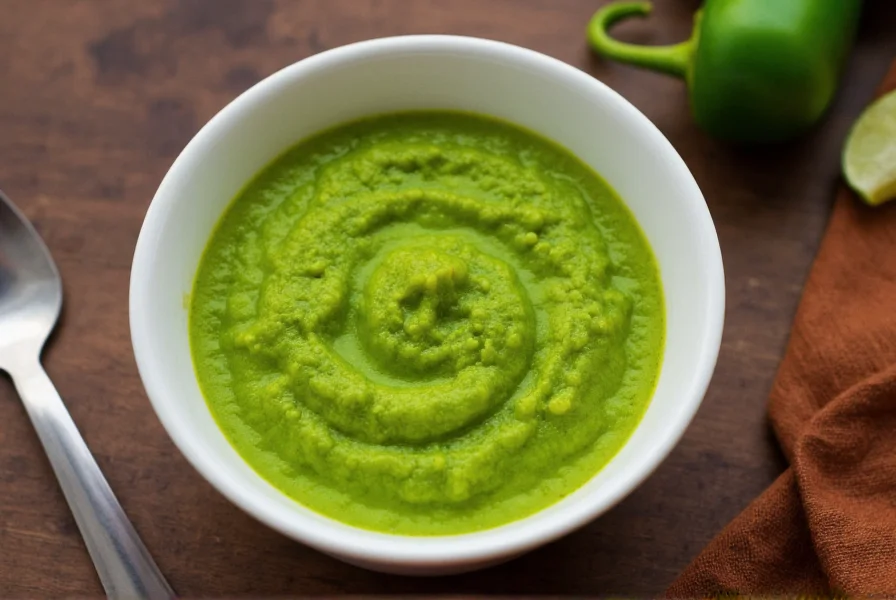
Understanding the nuances of green pepper sauce can transform your cooking experience. This vibrant condiment brings a distinctive flavor profile that differs significantly from its red counterparts. The unripe nature of green peppers creates a more vegetal, slightly bitter taste with varying heat levels depending on the specific pepper variety used.
What Exactly Is Green Pepper Sauce?
Green pepper sauce refers to any sauce primarily made from unripe green peppers. The most common varieties include:
- Green jalapeño sauce - Made from fresh green jalapeños, offering moderate heat with grassy notes
- Green bell pepper sauce - Mild and sweet, made from green bell peppers without significant heat
- Salsa verde - Traditional Mexican sauce made from tomatillos with green chilies
- Hot green pepper sauce - Often made with serrano or habanero peppers for intense heat
Green pepper sauces have a rich culinary history, particularly in Mexican cuisine. Traditional salsa verde originated with the Aztecs who cultivated tomatillos long before European contact. According to the Smithsonian National Museum of the American Indian, tomatillos have been grown in Mexico for over 1,000 years and were a dietary staple in pre-Hispanic times. The modern version evolved after Spanish colonization introduced ingredients like vinegar and garlic, blending indigenous and European culinary traditions. Learn more
The preparation method significantly affects the final product. Some green pepper sauces are raw and fresh, while others are cooked, roasted, or fermented. The cooking process alters both flavor and heat intensity, with roasted versions developing deeper, smokier notes.
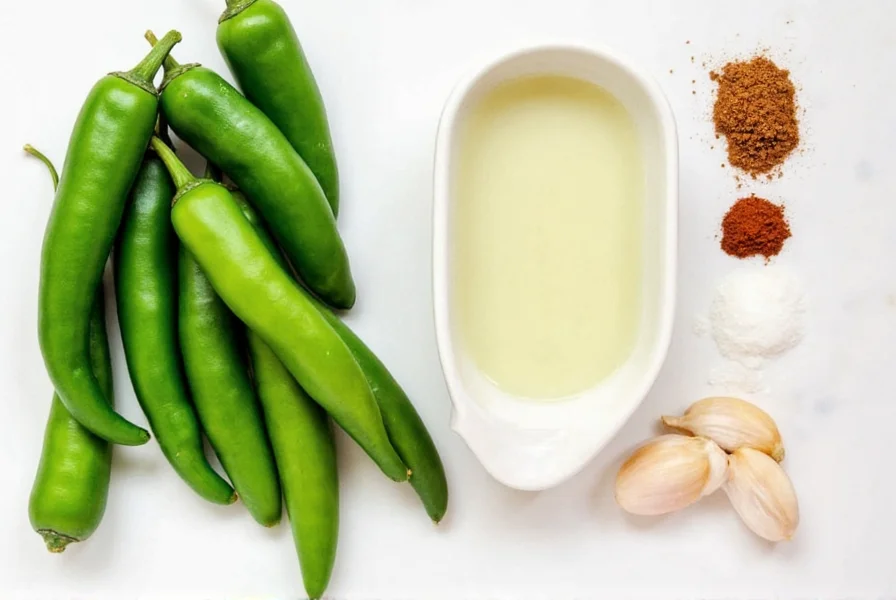
Flavor Profile and Heat Levels
Green pepper sauce offers a complex flavor profile that includes:
- Vegetal/grassy notes - From the unripe peppers
- Acidity - Typically from vinegar or citrus
- Garlic and onion undertones - Common supporting ingredients
- Heat intensity - Ranging from mild (1,000-2,500 SHU) to hot (10,000-30,000 SHU)
| Pepper Type | Heat Level (SHU) | Flavor Characteristics | Best Sauce Application |
|---|---|---|---|
| Green Bell Pepper | 0 SHU | Sweet, mild, vegetal | Creamy sauces, mild dressings |
| Jalapeño | 2,500-8,000 SHU | Grassy, slightly fruity | Authentic Mexican sauces, marinades |
| Serrano | 10,000-23,000 SHU | Sharp, bright, intense | Hot sauces, salsas |
| Habanero (green) | 100,000-350,000 SHU | Floral, citrusy, very hot | Specialty hot sauces |
Top Culinary Applications for Green Pepper Sauce
Understanding what green pepper sauce goes well with is essential for maximizing its potential in your kitchen. Unlike red sauces that often complement heartier dishes, green pepper sauces shine with lighter fare:
- Mexican cuisine - Essential for enchiladas verdes, tacos, and huevos rancheros
- Seafood dishes - Perfect pairing with fish, shrimp, and ceviche
- Egg preparations - Elevates scrambled eggs, omelets, and breakfast burritos
- Grilled chicken - Works as both marinade and finishing sauce
- Creamy dressings - Blend with sour cream or Greek yogurt for dips
Professional chefs often recommend using green pepper sauce as a finishing element rather than cooking it extensively, which preserves its bright, fresh flavor. The sauce's acidity cuts through rich ingredients while the vegetal notes complement fresh vegetables.
Contextual Limitations and When to Avoid Green Pepper Sauce
While versatile, green pepper sauce has specific limitations that home cooks should consider:
- Nightshade sensitivity: Individuals with nightshade allergies or sensitivities should avoid green pepper sauce, as peppers, tomatillos, and tomatoes are nightshades. The American College of Allergy, Asthma, and Immunology notes that nightshade vegetables can trigger inflammation in susceptible individuals. Source
- Acidity concerns: The high vinegar or citrus content may cause curdling when added directly to hot dairy-based sauces.
- Flavor incompatibility: Avoid pairing with very delicate seafood (like sole) or sweet-glazed dishes, as the sauce's vegetal notes and acidity may overpower or clash with these flavors.
Understanding these boundaries ensures green pepper sauce enhances rather than detracts from your dishes. For those with nightshade sensitivities, consider substitutes like blended green herbs (parsley, cilantro) with lemon juice for a similar fresh profile without peppers.
Simple Homemade Green Pepper Sauce Recipe
Creating your own mild green pepper sauce allows complete control over ingredients and heat level. This basic recipe yields a versatile sauce perfect for beginners:
Ingredients for homemade green pepper sauce:
- 4-6 fresh green jalapeños (seeds removed for milder sauce)
- 1 cup tomatillos, husked and rinsed
- 2 garlic cloves
- ½ cup fresh cilantro
- 1 lime, juiced
- ½ cup water or broth
- ½ teaspoon salt
- 1 teaspoon sugar (optional)
Preparation steps:
- Roast jalapeños and tomatillos under broiler for 5-7 minutes until charred
- Place roasted peppers and tomatillos in a bowl covered with plastic wrap for 10 minutes
- Remove skins from peppers and tomatillos (optional for smoother texture)
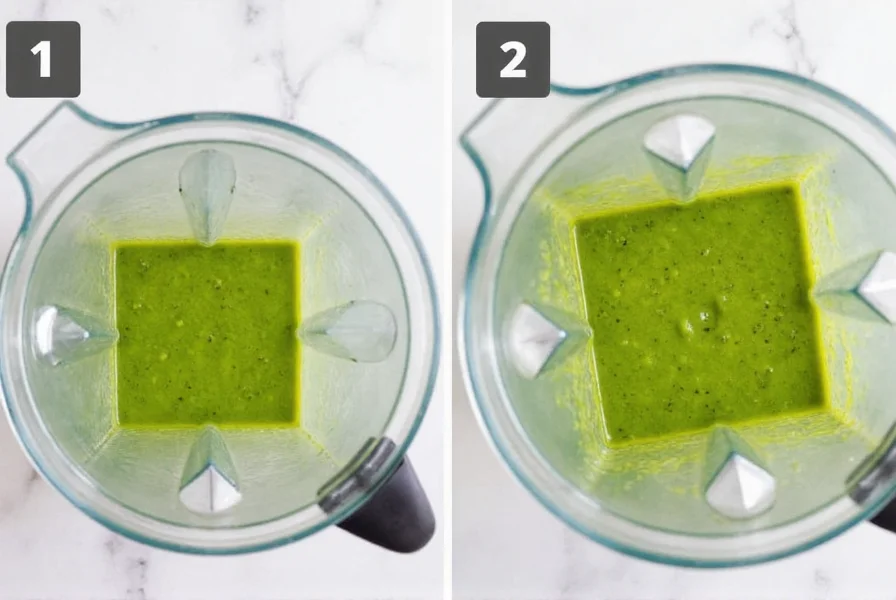
- Combine all ingredients in blender and process until smooth
- Adjust seasoning to taste, adding more lime for acidity or sugar to balance
- Refrigerate for at least 2 hours before serving to allow flavors to meld
Storage and Shelf Life Considerations
Proper storage significantly extends your green pepper sauce's usability. When stored correctly:
- Refrigerated sauce maintains quality for 2-3 weeks in an airtight container
- Freezing in ice cube trays allows portioned use for up to 6 months
- Vinegar-based sauces last longer than fresh preparations
- Always use clean utensils to prevent contamination
Signs your sauce has spoiled include mold growth, significant darkening, or unpleasant sour smells beyond the intended acidity. When in doubt, discard the sauce.
Substitutes When Green Pepper Sauce Isn't Available
If you're wondering what to use instead of green pepper sauce, consider these alternatives based on your specific needs:
- For mild applications: Blend green bell peppers with lime juice and cilantro
- For medium heat: Use tomatillo salsa with added jalapeño
- For cooking applications: Poblano pepper puree offers similar vegetal notes
- Quick substitute: Mix red pepper sauce with fresh herbs for color and freshness
Understanding these substitutions helps maintain your recipe's integrity when the ideal ingredient isn't available. The key is matching both flavor profile and heat level to your specific dish requirements.




 浙公网安备
33010002000092号
浙公网安备
33010002000092号 浙B2-20120091-4