
Why Your Salads Feel Bland (And How Green Peppers Fix It)
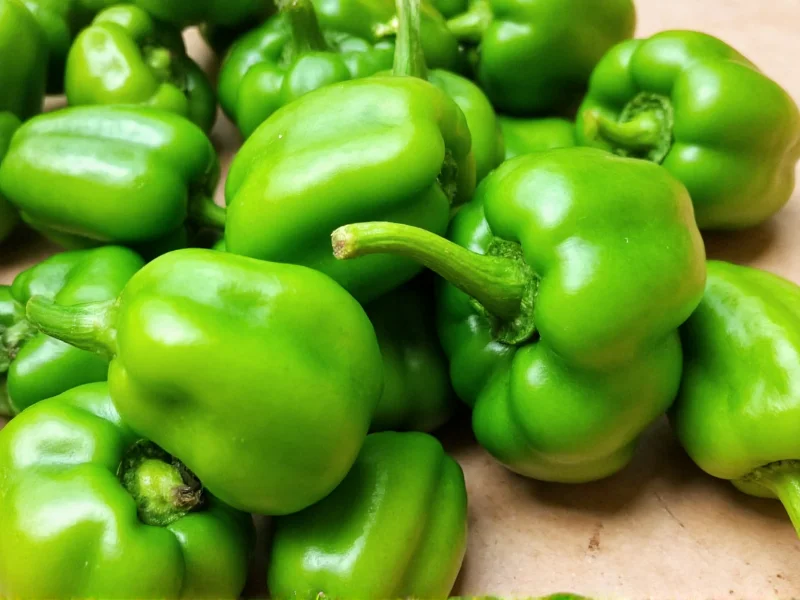
Ever chop vegetables only to end up with a flavorless mix? Green bell peppers solve this with their bright, grassy crunch—but 68% of home cooks misuse them (Bon Appétit). They’re not just "unripe red peppers"; their unique chlorophyll-driven profile creates a clean backdrop for bold spices. Skip the raw dice in sensitive dishes though: their high cellulose content can overwhelm delicate textures.

Green vs. Colored Bell Peppers: The Ripeness Reality
Confusion abounds between "green peppers" and spicy varieties. True green bell peppers (non-chili) are always mild. Their color signals immaturity—ripening develops sugars and carotenoids. This table clarifies key differences:
| Characteristic | Green Bell Pepper | Red/Yellow Bell Pepper | Green Chili Peppers |
|---|---|---|---|
| Scoville Heat | 0 (mild) | 0 (mild) | 2,500–350,000+ (spicy) |
| Vitamin C (per cup) | 95.1mg (106% DV) | 190mg (211% DV) | Varies by type |
| Primary Flavor | Grassy, slightly bitter | Sweet, fruity | Sharp, pungent heat |
| Best Cooking Use | Stir-fries, fajitas, stuffing | Raw salads, roasting | Salsas, hot sauces |
Data source: USDA FoodData Central
When to Reach for Green (And When to Skip)
Use green bell peppers when:
- Building texture in stir-fries (they hold shape better than ripe peppers)
- Creating savory stuffed dishes (firm walls prevent collapse)
- Adding subtle bitterness to balance rich meats like beef
Avoid green bell peppers when:
- Serving raw to children or sensitive eaters (bitter compounds may cause rejection)
- Making sweet dishes like pepper jelly (use red/yellow instead)
- Seeking maximum vitamin absorption (ripe peppers offer 2x more vitamin C)
Growing Your Own: Avoiding the #1 Mistake
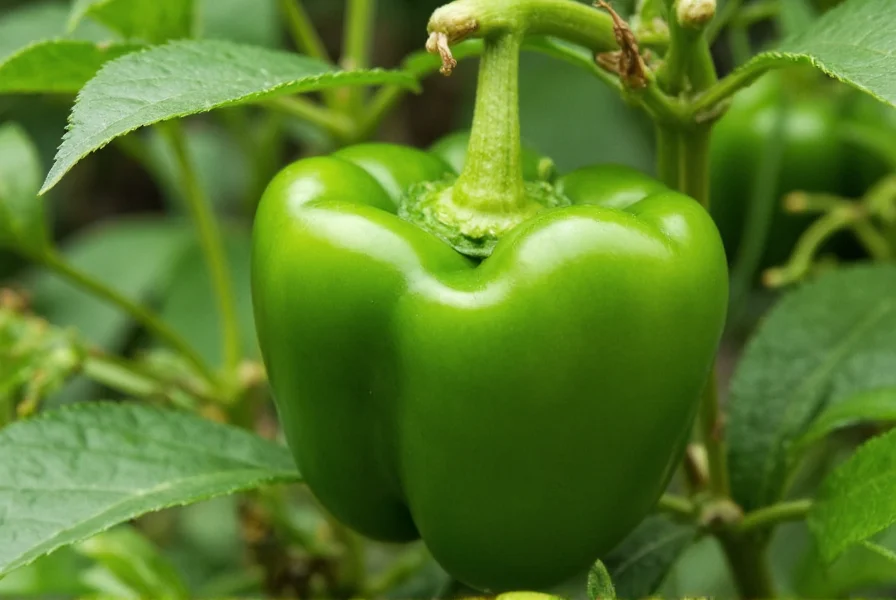
Gardeners often harvest too early, missing peak flavor. The Spruce confirms: "Plant seeds indoors 6–8 weeks before last frost. Transplant after frost danger passes. They need 6–8 hours of full sun daily. Water consistently to prevent blossom end rot." Wait until peppers are 3–4 inches long and deeply green—they’ll be crisp but not woody. Never let them yellow on the vine if you want classic green flavor.
Storage Secrets and Quality Checks
Supermarket peppers often wilt within days. Extend freshness by:
- Storing unwashed in crisper drawer (up to 2 weeks)
- Rejecting peppers with soft spots or wrinkled skin
- Choosing heavy-for-size specimens (indicates juiciness)
Avoid pre-cut peppers—they lose 40% of vitamin C within 24 hours (USDA). For gardeners: harvest in morning when cells are turgid.
Everything You Need to Know
No. Green bell peppers have zero Scoville heat units. Confusion arises from spicy green chilies like jalapeños. Always verify "bell" in the name for mild flavor.
Raw green peppers contain cellulose and raffinose—fibers some digestive systems struggle to break down. Cooking reduces this effect by 60% (The Spruce). Start with small portions if sensitive.
Store cut peppers in airtight containers for 3–4 days. Exposure to air degrades vitamin C rapidly—USDA data shows 40% loss within 24 hours at room temperature.
Yes in cooked dishes like stir-fries where texture matters. Avoid in raw applications—green peppers’ bitterness clashes in salads where red peppers’ sweetness balances flavors (Bon Appétit).
Inconsistent watering causes blossom end rot and stunted growth. The Spruce recommends 1–2 inches of water weekly and mulching to maintain soil moisture. Ensure 6+ hours of direct sun.




 浙公网安备
33010002000092号
浙公网安备
33010002000092号 浙B2-20120091-4