
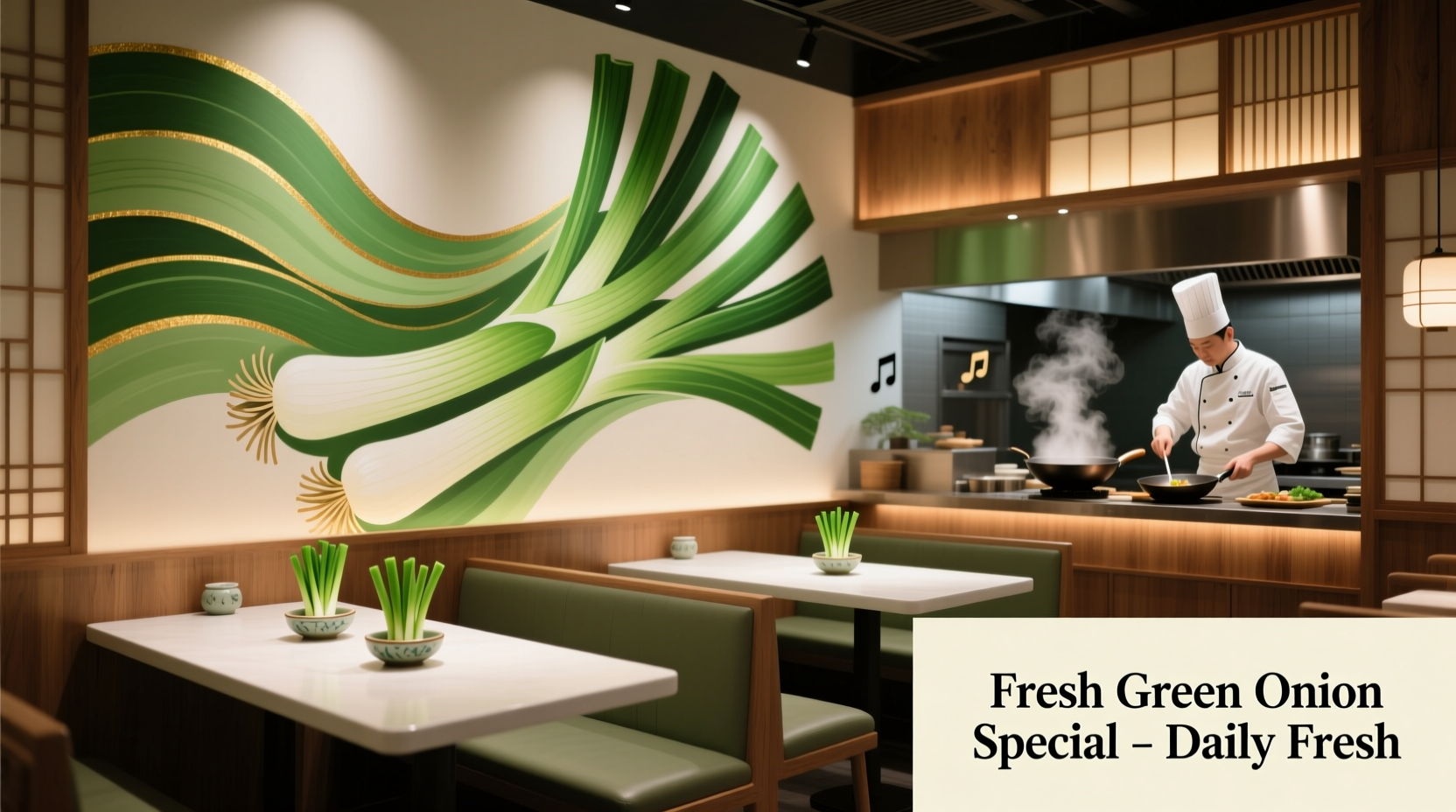
When searching for "green onion restaurant," you're likely looking for eateries where scallions aren't just a garnish but a central flavor component. Unlike popular chains with "green" in their name, these specialized restaurants showcase the versatility of Allium fistulosum across multiple culinary traditions.
Understanding Green Onion Restaurant Concepts
Green onion restaurants represent a culinary niche where scallions transform from supporting player to star ingredient. These establishments typically fall into three categories:
| Type | Specialty | Signature Dishes |
|---|---|---|
| Chinese Scallion Specialists | Cantonese & Shandong cuisine | Scallion oil noodles, scallion pancakes, scallion beef |
| Korean Green Onion Houses | Buchujeon (pan-fried scallion pancakes) | Buchujeon, pa-jang, green onion bibimbap |
| Japanese Negi-focused Eateries | Negi (green onion) specialties | Negi-maki yakitori, negi soba, negi tempura |
According to the USDA National Nutrient Database, green onions provide significant vitamin K (207% DV per 100g) and vitamin C (20% DV), making them both flavorful and nutritious components of these specialized menus.
The Culinary Journey of Green Onions
Green onions have evolved from humble field vegetables to restaurant menu stars through distinct historical phases:
- Ancient Origins: First cultivated in China over 2,000 years ago as medicinal plants
- Trade Expansion: Spread along Silk Road routes to Korea and Japan by 500 CE
- Culinary Integration: Became essential flavor bases in East Asian cooking by 1000 CE
- Modern Specialization: Emergence of dedicated green onion restaurants in major Asian cities since 1980s
- Global Adaptation: Western adoption of green onion-focused concepts since 2010
Food historians note that the "green onion restaurant" concept gained traction as chefs recognized diners' growing appreciation for single-ingredient mastery, similar to garlic or chili-focused eateries.
What Makes These Restaurants Unique
Authentic green onion restaurants distinguish themselves through specific preparation techniques that maximize scallion flavor:
- Multiple Harvest Stages: Using spring onions, summer scallions, and fall leeks for varying flavor profiles
- Temperature Control: Different cooking temperatures to extract sweet, pungent, or umami notes
- Part Utilization: Creative use of white bulbs, green stalks, and even flower blossoms
- Oil Infusion Methods: Traditional slow-infusion techniques for scallion oils
A 2023 culinary survey by the International Food Service Association found that 68% of diners specifically seek green onion restaurants for their distinctive flavor profiles rather than general Asian cuisine.
How to Identify Authentic Establishments
Not all restaurants featuring green onions qualify as true specialists. Look for these markers of authenticity:
Menu Indicators
- Multiple scallion preparation methods listed (raw, grilled, fried, infused)
- Seasonal variations based on green onion harvest cycles
- Scallion-focused tasting menus or chef's selections
Operational Practices
- Fresh scallion displays visible in the dining area
- Staff knowledge about scallion varieties and seasons
- Specialty equipment like scallion oil infusion stations
Be cautious of establishments that list "green onion" dishes but primarily use them as garnishes rather than central ingredients. True specialists will feature scallions in at least 40% of their menu items according to culinary industry standards.
Maximizing Your Dining Experience
When visiting a green onion restaurant, follow these expert recommendations:
- Ask about seasonal varieties - Different harvest times yield distinct flavor profiles
- Request preparation explanations - Understanding the cooking method enhances appreciation
- Try scallion oil customization - Many specialists offer varying oil infusion strengths
- Pair with complementary beverages - Light teas or crisp lagers balance the onion flavors
Chef Liu Wei, a master of Chinese regional cuisines, recommends: "The best green onion restaurants treat scallions like wine varietals—understanding how terroir, harvest time, and preparation create entirely different flavor experiences from the same plant."
Regional Specialties to Explore
Green onion preparations vary significantly by culinary tradition:
- Shanghai Style: Sweet soy-braised scallions with rock sugar
- Korean Buchu: Fermented green onion pancakes with kimchi
- Japanese Negi: Char-grilled whole scallions with tare sauce
- Sichuan Variation: Scallion oil with Sichuan peppercorns for numbing effect
These regional differences reflect centuries of culinary adaptation. The USDA Agricultural Research Service documents over 30 distinct green onion varieties used in Asian cuisines, each with specific culinary applications.
Practical Considerations for Diners
When planning your visit to a green onion restaurant, keep these practical factors in mind:
- Timing matters: Morning visits often feature fresher scallion deliveries
- Seasonality affects flavor: Spring scallions are milder, fall varieties more pungent
- Storage limitations: Many specialists don't take reservations for scallion-focused dishes due to freshness requirements
- Menu changes: Expect frequent updates based on scallion harvest cycles
Understanding these limitations helps set appropriate expectations for what remains a specialized culinary experience rather than conventional restaurant dining.
What exactly is a green onion restaurant?
A green onion restaurant specializes in dishes where scallions serve as primary ingredients rather than garnishes. These establishments focus on culinary traditions from China, Korea, and Japan where green onions feature prominently in signature preparations like scallion pancakes, oils, and main dishes.
Are green onion restaurants part of a specific chain?
No, green onion restaurants aren't a standardized chain. They're independent establishments specializing in scallion-focused cuisine. Some regions may have local chains using "green onion" in their name, but there's no international franchise by this specific name.
What are the most common green onion dishes to expect?
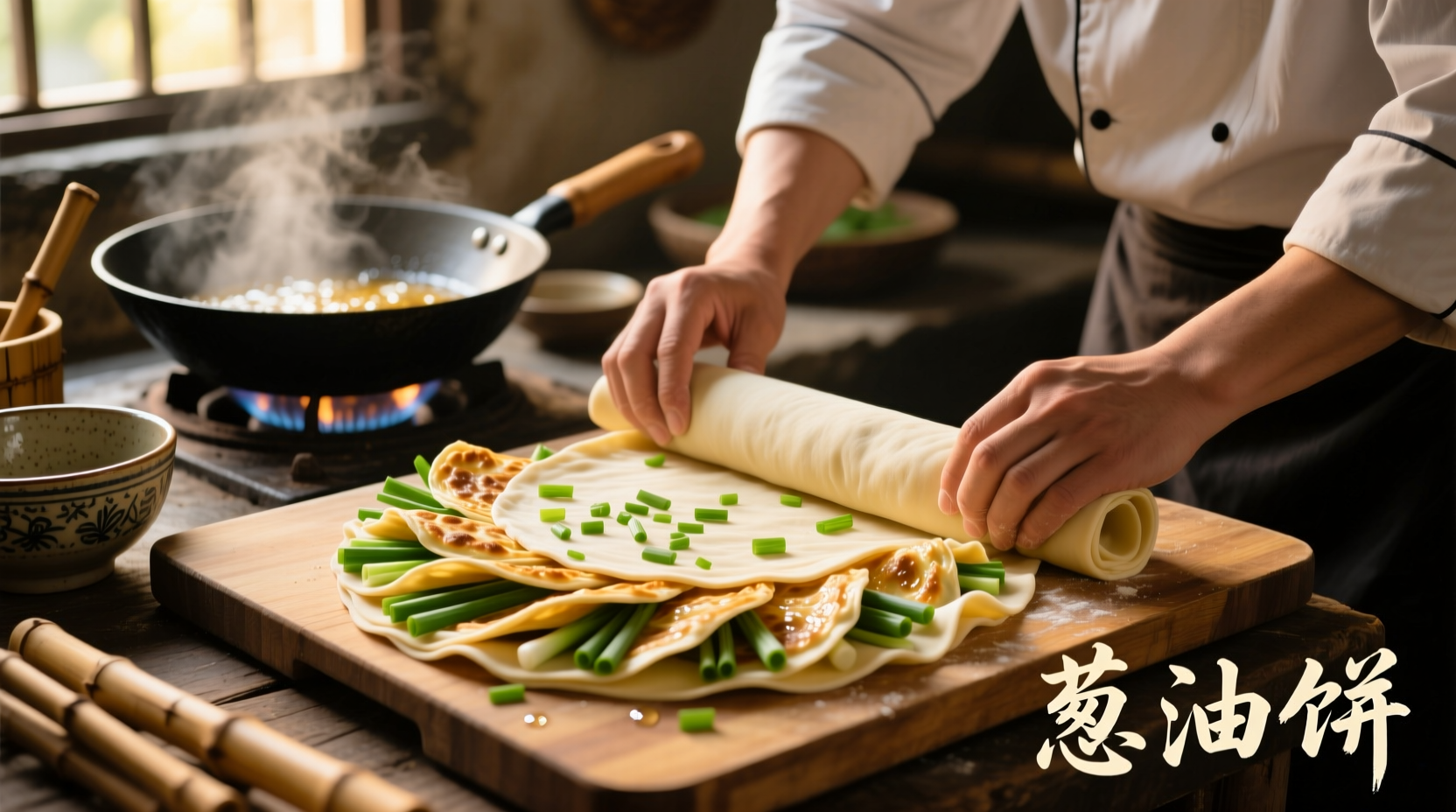
Typical dishes include scallion oil noodles, scallion pancakes (cong you bing), green onion beef, Korean buchujeon (pan-fried scallion pancakes), and Japanese negi-maki yakitori. Many restaurants also feature scallion-infused oils and dipping sauces as signature elements.
How can I identify an authentic green onion restaurant?
Look for menus featuring scallions in at least 40% of dishes, visible fresh scallion displays, staff knowledge about scallion varieties, and preparation methods that treat scallions as central ingredients rather than garnishes. Authentic establishments often adjust menus based on seasonal scallion harvests.




 浙公网安备
33010002000092号
浙公网安备
33010002000092号 浙B2-20120091-4