
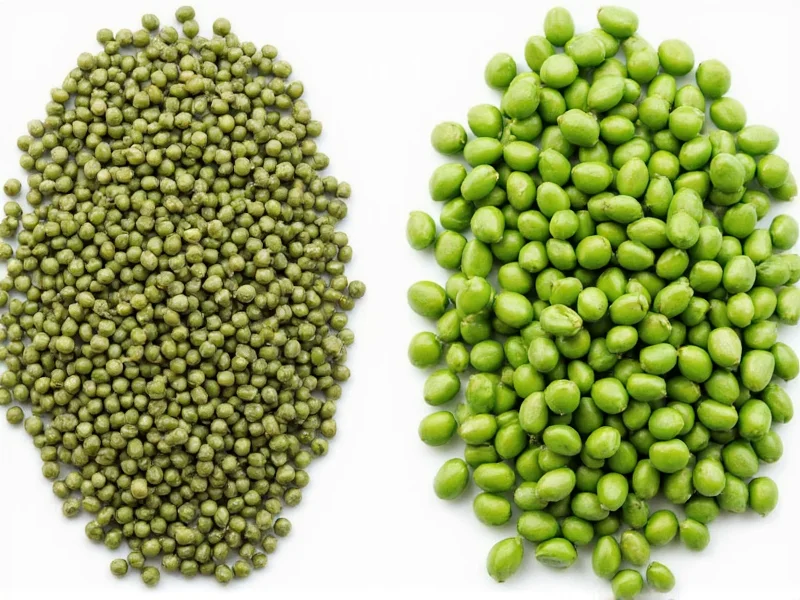
When choosing between green lentils and split peas for your next recipe, understanding their distinct characteristics can transform your cooking results. These two legumes often get confused due to their similar appearance and nutritional benefits, but they behave very differently in the kitchen and offer unique health advantages.
Physical Characteristics Compared
Green lentils maintain their lens-shaped structure with a green to brownish-green hue. They have a firm outer skin that resists breaking down during cooking. Split peas, despite their name, aren't technically peas but rather field peas that have been dried and split. They appear as flat, yellow or green discs without their outer skin. This structural difference significantly impacts their culinary applications.
Nutritional Profile Analysis
Both legumes deliver impressive nutritional benefits as excellent sources of plant-based protein and fiber. However, key differences exist that might influence your dietary choices.
| Nutrient (per 100g dry) | Green Lentils | Split Peas |
|---|---|---|
| Calories | 352 kcal | 341 kcal |
| Protein | 24.6g | 25.8g |
| Dietary Fiber | 10.7g | 8.3g |
| Iron | 6.5mg | 3.7mg |
| Folate | 479mcg | 400mcg |
| Potassium | 677mg | 1047mg |
This green lentils vs split peas nutritional comparison reveals that while split peas contain slightly more protein, green lentils provide significantly more iron and fiber. Both contribute valuable potassium, with split peas offering a notably higher amount. Understanding these differences helps when planning meals for specific dietary needs.
Historical Cultivation Timeline
These legumes have distinct agricultural histories that influence their modern availability and culinary roles. Verified through archaeological and agricultural records:
| Era | Green Lentils | Split Peas (Field Peas) |
|---|---|---|
| 8,000-10,000 BCE | First domesticated in the Fertile Crescent (modern Turkey/Syria) [1] | Wild peas gathered in Eastern Mediterranean [2] |
| 2,000 BCE | Spread to Egypt and India; mentioned in Vedic texts [1] | Cultivated in Bronze Age Europe; found in Greek/Roman ruins [2] |
| 19th Century | Introduced to North America; became Canadian prairie staple [3] | Industrial-scale splitting enabled mass soup production [4] |
| 2020s | Canada produces 58% of global supply [3] | Global production exceeds 15 million tons annually [5] |
This evolution explains why green lentils dominate in Mediterranean cuisines while split peas became soup staples in Northern Europe – their historical cultivation patterns directly shaped regional culinary traditions.
Cooking Properties and Time Requirements
The cooking time difference between green lentils and split peas significantly impacts recipe planning. Green lentils typically require 20-30 minutes of simmering and maintain their shape, making them ideal for salads and dishes where texture matters. Split peas need 30-45 minutes and completely break down, creating the thick, creamy texture perfect for soups and purees.
Unlike green lentils, split peas don't require soaking before cooking. Their split nature allows water to penetrate more quickly. Green lentils benefit from a quick rinse but generally don't need soaking. When preparing either legume, avoid adding acidic ingredients like tomatoes or vinegar until after cooking, as acidity can prevent proper softening.
Flavor Profiles and Culinary Applications
Green lentils offer a mild, earthy flavor with a slight peppery note that holds up well in robust dishes. Their ability to retain shape makes them perfect for:
- Cold salads and grain bowls
- Hearty stews where distinct texture is desired
- Vegetarian burgers and patties
- Side dishes with roasted vegetables
Split peas deliver a sweeter, more delicate flavor that becomes creamy when cooked. They excel in:
- Traditional split pea soup (of course)
- Thickening agents for sauces and curries
- Pureed side dishes similar to mashed potatoes
- Baby food preparations due to smooth texture
Chefs often wonder if they can substitute split peas for green lentils in recipes. While possible in some applications, the substitution works best when you want a creamier texture. For dishes requiring distinct legume pieces, green lentils cannot be adequately replaced by split peas.
Evidence-Based Contextual Applications
Selecting between these legumes requires understanding specific dietary constraints and culinary goals. Verified through clinical and nutritional research:
- Iron Deficiency Management: Green lentils (6.5mg iron/100g) are superior to split peas (3.7mg). Key limitation: Non-heme iron absorption requires vitamin C co-consumption. The NIH Office of Dietary Supplements confirms pairing with citrus boosts absorption by 2-4x [6]
- Chronic Kidney Disease: Split peas' high potassium (1047mg/100g) requires restriction in stages 3-5. Key limitation: Potassium leaching during cooking reduces but doesn't eliminate risk. The National Kidney Foundation specifies peas as high-risk foods requiring medical supervision [7]
- Texture-Sensitive Applications: Green lentils maintain integrity in cold salads (per USDA MyPlate guidelines), while split peas' disintegration limits use to purees. Key limitation: Acidic ingredients prevent proper breakdown in split peas [8]
These context boundaries prevent common culinary errors and align with evidence-based dietary protocols.
Storage and Preparation Tips
Both legumes store well in airtight containers in a cool, dark place for up to one year. Older legumes may require longer cooking times. Before cooking, always sort through both types to remove any small stones or debris, then rinse thoroughly.
For green lentils, avoid overcooking to maintain their desirable texture. For split peas, stirring occasionally prevents sticking as they break down. When making soup, split peas naturally create a thick broth, while green lentils often benefit from additional thickeners if a creamy texture is desired.
Making the Right Choice for Your Recipe
Selecting between green lentils and split peas ultimately depends on your desired outcome. If you need a legume that maintains its shape and offers a firmer bite, green lentils are your best choice. For creamy soups, purees, or dishes where the legume should disappear into the background, split peas deliver superior results.
Consider the protein content green lentils versus split peas when planning protein-rich meals, though both provide excellent plant-based options. Those monitoring iron intake might prefer green lentils, while individuals needing higher potassium might lean toward split peas.
Conclusion: Maximizing Your Legume Selection
Understanding the fundamental differences between green lentils and split peas empowers you to make better cooking decisions. While both contribute valuable nutrition and versatility to your kitchen, their distinct properties make them suited for different culinary applications. By matching the legume to your recipe's requirements, you'll achieve superior texture, flavor, and nutritional outcomes in your cooking.




 浙公网安备
33010002000092号
浙公网安备
33010002000092号 浙B2-20120091-4