
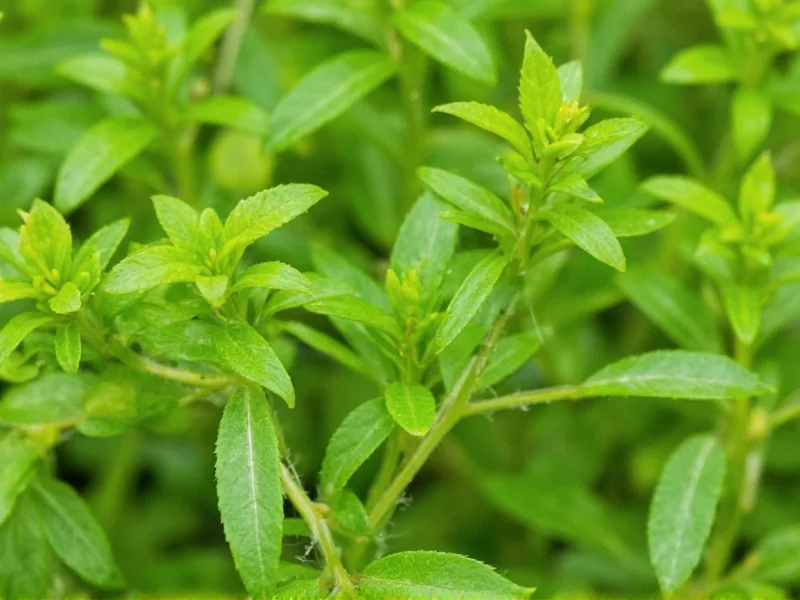
When researching herbal supplements, accurate terminology is crucial for finding reliable information. The term 'green herba' creates confusion in the herbal medicine field, as it doesn't correspond to any established botanical classification or standardized supplement name recognized by major health authorities.
Understanding the Terminology Confusion
The confusion around 'green herba' likely stems from several sources. First, 'herba' is the Latin word for 'herb' used in botanical nomenclature, while 'green' describes color. Many legitimate herbal products use 'green' in their branding (like green tea or green barley), but 'green herba' as a standalone term lacks scientific basis.
When consumers search for 'green herba,' they're typically looking for one of these:
- Information about green-colored herbal supplements
- Details about a specific product they've encountered
- Clarification on proper herbal terminology
- Safety information for unverified herbal products
Common Green-Colored Herbal Supplements
Several legitimate green-colored herbal supplements exist that might be confused with the term 'green herba.' Understanding these can help clarify the confusion:
| Herbal Supplement | Primary Source | Common Uses | Research Status |
|---|---|---|---|
| Green Tea Extract | Camellia sinensis leaves | Antioxidant support, metabolism | Extensively studied |
| Barley Grass | Hordeum vulgare | Nutritional supplement, detoxification | Moderate research |
| Wheatgrass | Triticum aestivum | Nutritional support, alkalizing | Limited clinical evidence |
| Moringa Oleifera | Moringa tree leaves | Nutritional supplement, anti-inflammatory | Growing research base |
Regulatory Evolution of Herbal Terminology Standards
Precise terminology requirements have evolved significantly through regulatory milestones. This timeline demonstrates how evolving standards directly impact terms like 'green herba' and consumer protection:
| Year | Regulatory Milestone | Terminology Impact |
|---|---|---|
| 1994 | Dietary Supplement Health and Education Act (DSHEA) | Mandated use of common or usual ingredient names; prohibited vague marketing terms as primary identifiers |
| 2006 | Current Good Manufacturing Practices (cGMPs) Final Rule | Required identity verification of all ingredients using scientific nomenclature; made non-specific terms like 'green herba' non-compliant |
| 2016 | NDI Notification Guidance | Strengthened requirements for botanical identification in New Dietary Ingredient submissions |
| 2022 | Supplement Regulations under Modernization Act (New ERA) | Enhanced enforcement against misleading terminology and required full ingredient transparency |
Source: U.S. Food and Drug Administration. (2023). Dietary Supplements Regulations and Guidance Documents. Retrieved from https://www.fda.gov/food/dietary-supplements/regs-laws-regulations-and-guidance-documents
Why Terminology Matters in Herbal Supplements
Precise terminology in herbal medicine serves several critical purposes. Using scientifically recognized names prevents dangerous confusion between similar-sounding but chemically distinct plants. For example, 'comfrey' and 'coltsfoot' both contain potentially harmful pyrrolizidine alkaloids, but consumers searching for 'green herba' wouldn't find this critical safety information.
The lack of standardization around terms like 'green herba' creates significant challenges for consumers seeking reliable information. Without knowing the specific botanical name (genus and species), it's impossible to verify:
- Scientific research on efficacy
- Safety profiles and potential interactions
- Appropriate dosage guidelines
- Quality control standards
Contextual Boundaries for Green Supplement Applications
Green-colored supplements serve specific purposes within defined boundaries. Understanding these parameters prevents misuse and sets realistic expectations based on current evidence:
| Application Context | Valid Use Cases | Key Limitations | Evidence Verification |
|---|---|---|---|
| Nutritional supplementation | Addressing dietary gaps in controlled settings (e.g., wheatgrass for vitamin K in deficient populations) | Not therapeutic for diagnosed deficiencies; ineffective for severe malnutrition | NIH ODS: Wheatgrass Review |
| Antioxidant support | Green tea extract for general oxidative stress reduction in healthy adults | Not proven for disease treatment; high doses may cause hepatotoxicity | NCBI: Green Tea Safety Review |
| Short-term wellness protocols | Barley grass in clinical detox programs under medical supervision | No evidence for 'detoxification' of environmental toxins; contraindicated in renal impairment | EMA Barley Grass Monograph |
Evaluating Herbal Product Claims
When encountering unfamiliar herbal terms like 'green herba,' consumers should apply critical evaluation standards. Reputable herbal products will always provide:
- Complete botanical name (genus and species)
- Standardized active compound percentages
- Third-party testing verification
- Clear manufacturing information
- Transparent contact information for the manufacturer
Products using vague terms like 'green herba' without proper botanical identification often lack quality control. The FDA maintains that all dietary supplements must list ingredients by their common or usual names, making terms like 'green herba' non-compliant with labeling regulations.
Safety Considerations for Herbal Supplements
All herbal supplements carry potential risks that consumers should understand. When researching any herbal product, including those mistakenly called 'green herba,' consider these safety factors:
- Herb-drug interactions (particularly with blood thinners, diabetes medications, and antidepressants)
- Potential contamination with heavy metals or pesticides
- Lack of standardization between products
- Insufficient research on long-term effects
- Possible adulteration with pharmaceutical compounds
The National Center for Complementary and Integrative Health recommends consulting healthcare providers before starting any new herbal supplement, especially for pregnant women, children, and those with chronic health conditions.
Finding Reliable Herbal Information
For accurate information about herbal supplements, consumers should consult authoritative sources that use proper botanical terminology. Trusted resources include:
- National Institutes of Health Office of Dietary Supplements
- European Medicines Agency herbal monographs
- World Health Organization traditional medicine databases
- University-affiliated medical libraries
- PubMed-indexed scientific literature
When searching for information, always use the complete botanical name rather than marketing terms. For example, search for 'Moringa oleifera clinical studies' instead of 'green superfood benefits' to find reliable research.
Conclusion
The term 'green herba' represents a common challenge in the herbal supplement marketplace: the use of non-standard terminology that obscures product identity. Consumers seeking herbal supplements should prioritize products with clear botanical identification and consult healthcare professionals before use. Understanding proper herbal terminology empowers consumers to make informed decisions about their health and avoid potentially misleading product claims.




 浙公网安备
33010002000092号
浙公网安备
33010002000092号 浙B2-20120091-4