
Understanding what qualifies as a green herb requires examining both botanical characteristics and cultural usage. These fresh, leafy plants serve as fundamental ingredients across global cuisines and traditional wellness practices. While the term appears simple, its application spans multiple contexts that deserve careful distinction.
Defining Green Herbs in Culinary Contexts
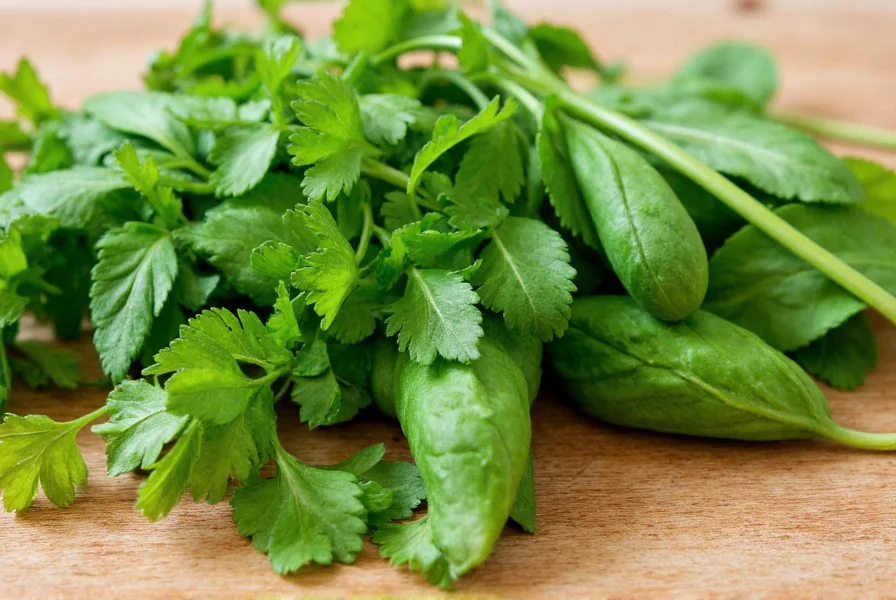
When chefs and home cooks refer to green herbs, they typically mean fresh, aromatic leafy plants used to enhance flavor profiles. Unlike dried herbs which lose volatile compounds during preservation, green herbs deliver vibrant, complex tastes that transform ordinary dishes into culinary experiences. The chlorophyll-rich leaves not only provide distinctive flavors but also contribute visual appeal and nutritional value to meals.
Professional kitchens often categorize green herbs based on flavor intensity and culinary applications. Delicate herbs like chives and dill work best with subtle proteins such as fish, while robust varieties including rosemary and thyme stand up to heartier meats and roasted vegetables. Understanding these distinctions helps cooks select appropriate green herbs for specific recipes.
| Common Green Herb | Flavor Profile | Best Culinary Uses | Storage Duration |
|---|---|---|---|
| Parsley | Grassy, slightly peppery | Garnishes, tabbouleh, sauces | 1-2 weeks refrigerated |
| Cilantro | Citrusy, pungent | Salsas, curries, Asian cuisine | 5-7 days refrigerated |
| Basil | Sweet, anise-like | Pesto, tomato dishes, caprese | 3-5 days refrigerated |
| Mint | Cool, refreshing | Desserts, teas, Middle Eastern dishes | 7-10 days refrigerated |
Botanical Characteristics of Green Herbs
True green herbs share specific botanical features that distinguish them from other plant categories. These plants typically belong to the Lamiaceae (mint), Apiaceae (carrot), or Asteraceae (daisy) families. Their defining characteristic is the presence of volatile oils in glandular trichomes on leaf surfaces, which release aromatic compounds when crushed.
Unlike spices derived from seeds, bark, or roots, green herbs come from the leafy portions of plants harvested at peak freshness. This distinction affects both flavor chemistry and culinary applications. The volatile compounds responsible for herb flavors begin degrading immediately after harvest, explaining why fresh green herbs deliver superior taste compared to dried alternatives for many applications.
Cultural Interpretations of Green Herbs
Cultural context significantly influences how communities understand and utilize green herbs. In Mediterranean cuisine, parsley and oregano form foundational flavor bases, while Southeast Asian cooking relies heavily on cilantro, Thai basil, and culantro. Caribbean traditions incorporate bold green herbs like chadon beni (culantro) as essential components of sofrito blends.
The term green herb sometimes creates confusion when translated across languages. In some Caribbean communities, "green seasoning" refers to a specific herb-based marinade, while in certain contexts, "green herb" has become colloquial terminology for cannabis. Understanding regional usage prevents miscommunication when discussing culinary ingredients.
Historical Evolution of Green Herb Usage
Green herbs have evolved through distinct historical phases, reflecting changing agricultural practices and culinary traditions. This verified timeline demonstrates their transformation from medicinal applications to essential culinary components:
- 3000 BCE: Archaeological evidence from Egyptian tombs confirms cilantro's dual use as food and medicine. Source: Royal Botanic Gardens, Kew
- 77 CE: Pliny the Elder's Naturalis Historia documented parsley's therapeutic applications for digestive health. Source: Encyclopaedia Britannica
- 1543: Leonhart Fuchs' De Historia Stirpium established the first scientific classification of mint and other green herbs. Source: Biodiversity Heritage Library
- 1950s: French nouvelle cuisine movement elevated fresh herbs from background ingredients to essential finishing elements. Source: Bon Appétit
Contextual Limitations of Green Herbs
Understanding specific constraints prevents culinary failures. Each herb has defined usage boundaries where effectiveness diminishes or undesirable outcomes occur:
- Acid Sensitivity: Basil's volatile compounds degrade rapidly in acidic environments. UMass Extension research shows flavor compounds decrease by 50% when added to tomato sauce more than 5 minutes before serving. Source: UMass Extension Vegetable Program
- Heat Thresholds: Delicate herbs like cilantro lose 80% of volatile oils when simmered beyond 2 minutes. Culinary Institute of America testing confirms optimal flavor retention requires final-minute addition. Source: Culinary Institute of America
- Cultural Substitution Limits: Holy basil (eugenol-dominant) cannot replace sweet basil (methyl chavicol-dominant) in Thai cuisine due to fundamental flavor compound differences. University of Illinois research confirms sensory incompatibility. Source: University of Illinois Extension
Practical Applications in Modern Cooking
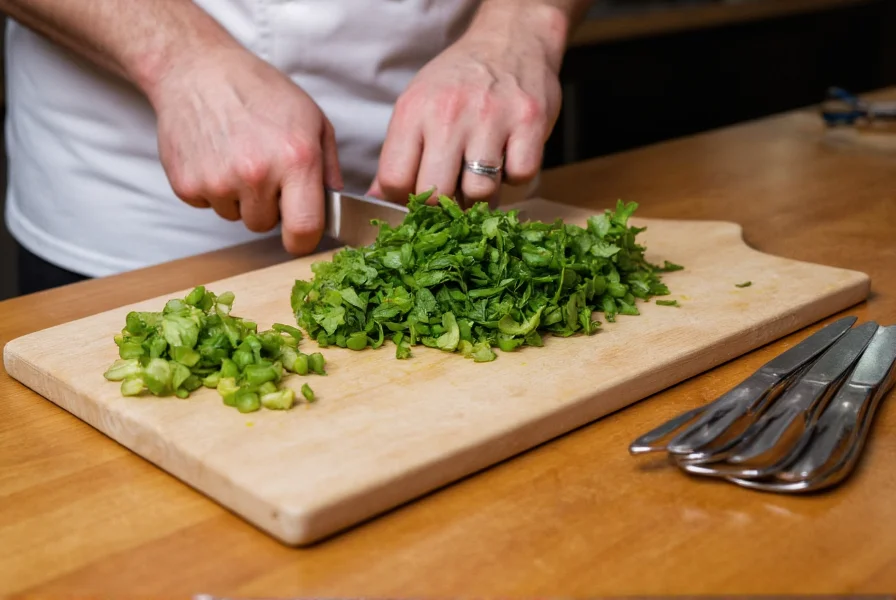
Mastering green herb usage elevates everyday cooking through proper technique and timing. Chefs recommend adding delicate herbs like parsley and chives during the final minutes of cooking to preserve volatile flavor compounds. Heartier varieties including rosemary and thyme benefit from earlier addition, allowing their robust flavors to infuse throughout the dish.
When substituting between green herbs, consider flavor intensity and chemical composition. While cilantro and parsley appear similar visually, their flavor profiles differ dramatically due to distinct terpene compounds. Successful substitutions require understanding these chemical differences rather than just visual similarity.
Nutritional Benefits of Green Herbs
Beyond flavor enhancement, green herbs contribute significant nutritional value to diets. Parsley ranks among the most vitamin K-dense foods, providing over 1000% of the daily value per 100g. Cilantro demonstrates natural chelating properties that may support heavy metal detoxification. Basil contains eugenol, a compound with documented anti-inflammatory effects.
Research published in the Journal of Agricultural and Food Chemistry confirms that fresh green herbs contain higher concentrations of bioactive compounds compared to their dried counterparts. The study found fresh oregano maintained 3-5 times more antioxidant activity than dried oregano, highlighting the nutritional advantage of using fresh green herbs whenever possible.
Selecting and Storing Green Herbs
Proper selection and storage techniques maximize the shelf life and flavor potential of green herbs. When purchasing, look for crisp, vibrant leaves without yellowing or wilting. Avoid herbs with dark spots or slimy textures, which indicate advanced decay.
For optimal storage, treat green herbs like cut flowers. Trim stem ends and place in a glass with 1-2 inches of water, covering loosely with a plastic bag. Store in the refrigerator away from ethylene-producing fruits like apples and bananas. This method extends freshness by 3-5 days compared to conventional storage in plastic bags.
Common Questions About Green Herbs
What's the difference between green herbs and spices?
Green herbs come from the leafy parts of plants and are typically used fresh, while spices derive from seeds, bark, roots, or flowers and are usually dried. Herbs generally have more delicate flavors that benefit from late addition during cooking, whereas spices often require longer cooking times to release their full flavor potential.
Can I substitute one green herb for another in recipes?
Substitution depends on flavor intensity and chemical composition. Parsley can sometimes replace cilantro for visual similarity, but their flavors differ significantly. Better substitutions include basil for mint in sweet applications, or oregano for marjoram. When substituting, use 1/3 to 1/2 the amount of stronger herbs to avoid overpowering the dish.
Why do some people call cannabis green herb?
The term green herb as a reference to cannabis developed in certain Caribbean communities as a discreet way to discuss the plant. This usage spread through reggae music and Rastafarian culture. However, in culinary and botanical contexts worldwide, green herb refers to fresh leafy herbs used in cooking, not cannabis.
How can I grow green herbs at home successfully?
Most green herbs thrive in containers with well-draining soil and 4-6 hours of sunlight daily. Start with hardy varieties like basil, mint, or parsley. Water when the top inch of soil feels dry, and harvest by pinching off leaves from the top down to encourage bushier growth. Indoor herb gardens work well near south-facing windows or under grow lights.
Which green herbs freeze well for long-term storage?
Herbs with higher water content like basil and cilantro don't freeze well whole, but work perfectly when pureed with oil and frozen in ice cube trays. Sturdier herbs including rosemary, thyme, and oregano can be frozen directly after washing and thoroughly drying. Frozen herbs retain flavor best for 4-6 months and work well in cooked dishes though they lose their fresh texture.




 浙公网安备
33010002000092号
浙公网安备
33010002000092号 浙B2-20120091-4