
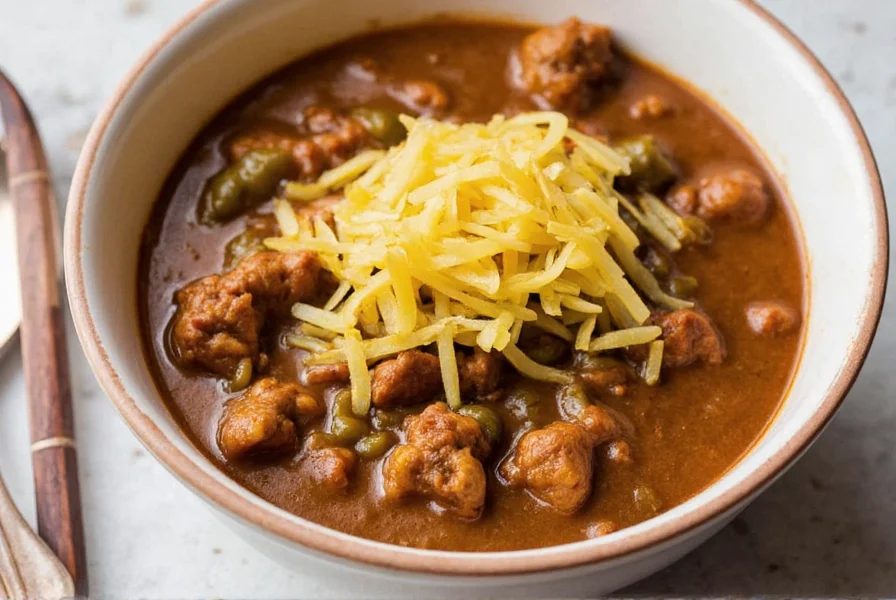
The Essential Green Chili with Pork Recipe
Green chili with pork represents one of the most beloved comfort foods across the American Southwest, particularly in New Mexico where it's considered the state's official culinary symbol since 1967. This hearty stew combines slow-cooked pork with roasted green chilies to create a complex flavor profile that's simultaneously spicy, savory, and slightly tangy. Unlike tomato-based red chili, authentic green chili relies on tomatillos and various green chilies for its distinctive taste and color. The dish's evolution reflects Native American, Spanish, and Mexican culinary traditions converging in the 16th-18th centuries.
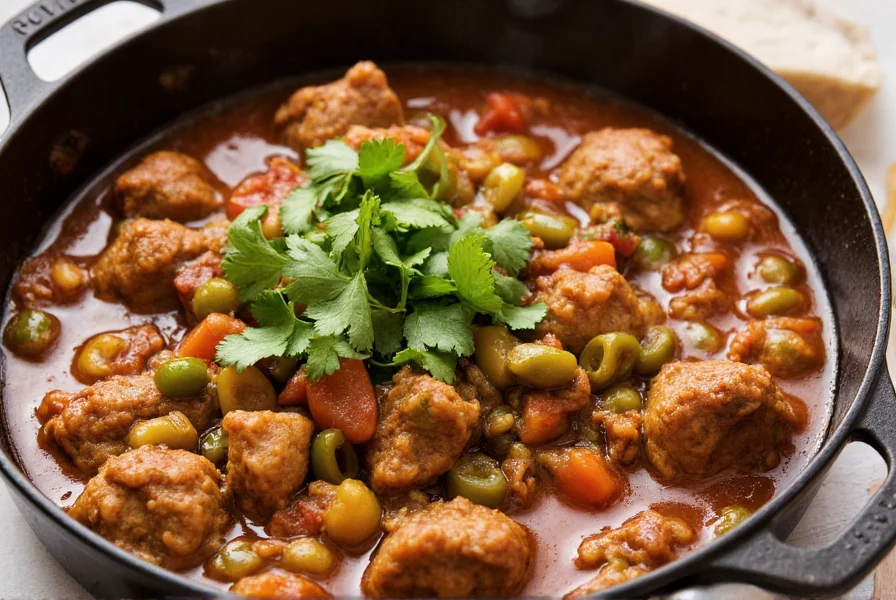
Key Ingredients Breakdown
Understanding each component's role ensures your green chili turns out perfectly every time. The magic happens when these ingredients meld during the slow cooking process.
| Ingredient | Function | Recommended Quantity (for 6 servings) |
|---|---|---|
| Pork shoulder (Boston butt) | Provides rich flavor and becomes fork-tender when slow-cooked due to collagen hydrolysis at 160°F+ | 2.5 lbs, cut into 1-inch cubes |
| Hatch green chilies | Primary flavor base with varying heat levels (mild to hot); contains capsaicinoids that solubilize during cooking | 1.5 lbs roasted and peeled |
| Tomatillos | Adds tangy brightness and helps thicken the stew through pectin release | 1 lb husked and rinsed |
| Yellow onion | Creates aromatic foundation via Maillard reaction compounds | 1 large, diced |
| Garlic | Enhances depth of flavor through allicin transformation | 4 cloves, minced |
| Chile Heat Comparison: Mild Hatch (1,000-2,000 SHU), Hot Hatch (5,000-10,000 SHU), Serrano (10,000-23,000 SHU). Source: NMSU Chile Pepper Institute | ||
Chile Harvest Timeline & Seasonality Impact
Authentic New Mexican green chili's flavor profile is intrinsically tied to the annual Hatch Valley harvest cycle. Understanding this timeline ensures peak freshness:
- August 1-15: Early harvest (mild chilies, higher moisture)
- August 16-31: Peak season (balanced heat/sweetness)
- September 1-15: Late harvest (hotter, thicker-walled chilies)
Per the New Mexico Chile Association, using chilies outside this window requires adjustments: frozen August chilies need 15% less liquid due to cellular breakdown during freezing.
Step-by-Step Cooking Process
Creating exceptional green chili with pork requires attention to technique, particularly during the roasting and simmering phases. Follow these professional kitchen-tested steps for authentic results.
Preparing the Green Chilies
Properly preparing your chilies makes the biggest difference in flavor quality. Roast fresh Hatch or Anaheim chilies directly over gas flames, in a broiler, or on a grill until the skins blister and blacken (about 8-10 minutes). Place the hot chilies in a covered bowl or sealed plastic bag for 10 minutes to steam, then remove the skins. For milder chili, carefully remove the seeds and membranes. For traditional New Mexican style, leave some seeds for authentic heat.
Altitude Adjustment Guidelines
Traditional recipes assume sea-level cooking. At New Mexico's average elevation (5,000+ ft), water boils at 203°F instead of 212°F, extending tenderization time. Colorado State University Extension recommends:
- Add 15 minutes per 1,000 ft above sea level to simmering time
- Increase liquid by 10% to compensate for faster evaporation
- Maintain cooking temperature ≥190°F to ensure safe pork preparation (USDA FSIS)
Source: CSU High-Altitude Cooking Guidelines
Cooking the Pork
Begin by seasoning 2.5 pounds of cubed pork shoulder with salt and pepper. Brown the meat in batches in a heavy-bottomed pot with one tablespoon of oil, ensuring each piece develops a golden crust. Remove the pork and set aside. In the same pot, sauté one large diced yellow onion until translucent (about 5 minutes), then add four minced garlic cloves and cook for another minute until fragrant.
Building Flavor Layers
Add one pound of husked tomatillos to the pot and cook until they begin to break down (approximately 7 minutes). Return the browned pork to the pot along with 1.5 pounds of prepared green chilies. Pour in 1.5 cups of USDA-recommended homemade chicken stock just until the ingredients are covered. Add one teaspoon each of ground cumin and dried oregano.
Slow Simmering to Perfection
Bring the mixture to a gentle boil, then reduce heat to low, cover, and simmer for 1.5-2 hours until the pork becomes fork-tender. Avoid boiling vigorously as this can make the pork tough. For optimal flavor development, refrigerate overnight and reheat the next day—this allows the flavors to fully meld. Before serving, skim any excess fat from the surface and adjust seasoning as needed.
Regional Variations and Customizations
While traditional New Mexican green chili contains no tomatoes, regional variations exist throughout the Southwest. Colorado-style often includes potatoes, while Texan versions might incorporate beer for added complexity. Consider these authentic adaptations:
- Slow Cooker Method: After browning the pork and sautéing aromatics, transfer everything to a slow cooker and cook on low for 6-8 hours
- Spice Level Control: Use primarily mild Hatch chilies with just one or two hot varieties for customizable heat
- Thickening Techniques: For a heartier texture, mash some of the cooked tomatillos against the pot side
- Vegetable Additions: Traditional versions rarely include additional vegetables, but some home cooks add zucchini or corn
Serving Traditions and Pairings
Authentic green chili with pork shines when served with simple accompaniments that don't compete with its complex flavors. In New Mexico, it's commonly enjoyed with:
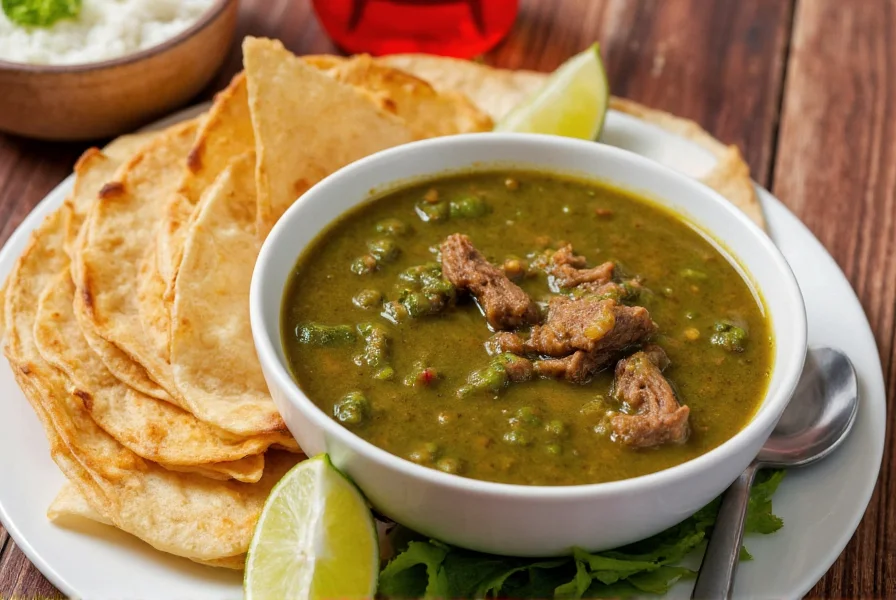
- Warm corn or flour tortillas
- Freshly grated Monterey Jack or Queso Fresco
- Lime wedges for a bright citrus accent
- Warm Spanish rice
- Cold local beer or agua fresca
For a complete meal, serve your green chili with pork over steamed rice or alongside warm sopapillas. The dish also works beautifully as a filling for enchiladas or burritos. Many New Mexicans consider green chili appropriate for any meal of the day—even breakfast when served with scrambled eggs.
Storage and Freezing Guidelines
Green chili with pork actually improves in flavor after 24-48 hours as the ingredients continue to meld. Store cooled chili in airtight containers:
- Refrigeration: Keeps well for 4-5 days
- Freezing: Portion into freezer-safe containers with ½ inch headspace; maintains quality for 6 months
- Reheating: Thaw frozen portions overnight in the refrigerator, then reheat gently on the stove with a splash of broth to restore moisture




 浙公网安备
33010002000092号
浙公网安备
33010002000092号 浙B2-20120091-4