
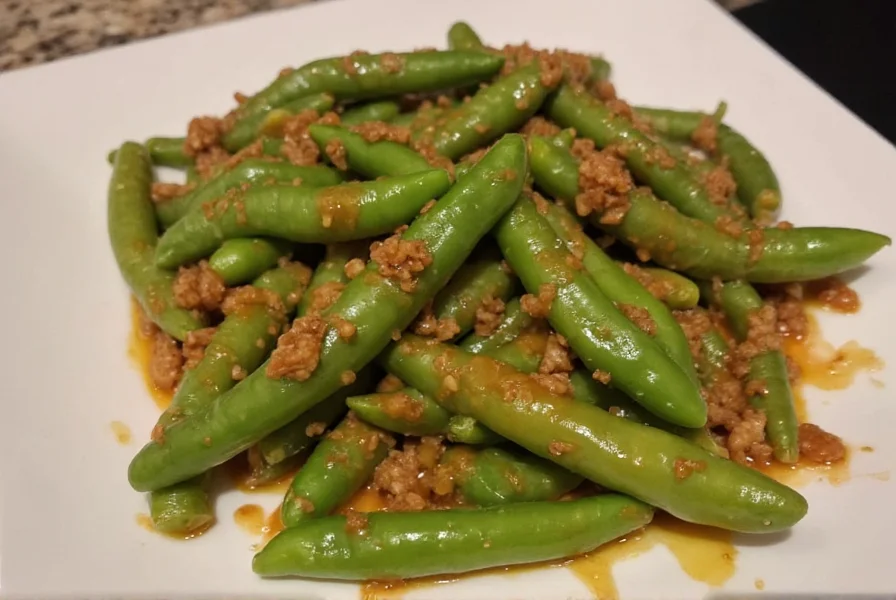
Canned green chilies have become a staple in pantries worldwide, particularly in Southwestern and Mexican cuisine. These preserved peppers offer home cooks and professional chefs alike a reliable ingredient that maintains consistent flavor and texture regardless of seasonal availability. Unlike fresh chilies that vary in heat and quality throughout the year, canned versions provide standardized culinary performance that makes recipe planning more predictable.
What Exactly Are Canned Green Chilies?
Canned green chilies primarily come from two pepper varieties: New Mexico chilies (often labeled as "Hatch" when from New Mexico) and Anaheim peppers. These medium-heat peppers undergo a specific processing method that preserves their unique characteristics:
- Harvesting at peak ripeness when peppers are still green
- Open-flame roasting to loosen skins and develop smoky flavor
- Hand-peeling while retaining some char for flavor complexity
- Packing in brine or water with citric acid for preservation
- Sealing in cans and heat-processing for shelf stability
The canning process creates subtle but important differences from fresh peppers. The roasting develops complex flavor compounds while the preservation process slightly softens the texture and mellows the heat profile. Most commercial brands maintain a consistent mild to medium heat level, making them versatile for various palates.
Evolution of Canned Green Chilies: A Historical Timeline
The development of canned green chilies reflects advancements in food preservation technology and regional agricultural practices. Verified milestones from New Mexico's agricultural archives document this progression:
| Year | Development | Impact on Canned Product |
|---|---|---|
| 1598 | Spanish missionaries introduce chile peppers to New Mexico | Established foundational varieties for modern New Mexico/Anaheim peppers |
| 1894 | First commercial chile farming operations in New Mexico | Enabled consistent supply for processing beyond subsistence farming |
| 1920s | Commercial canning industry established in Hatch Valley | Created first shelf-stable green chilies with standardized flavor profiles |
| 1950s | Flame-roasting adopted as standard processing step | Developed signature smoky flavor while improving peeling efficiency |
| 1965 | New Mexico designates chile as official state vegetable | Spurred quality standards and regional branding for canned products |
Source: New Mexico State Records Center and Archives New Mexico Agriculture Historical Exhibit
Culinary Applications of Canned Green Chilies
Chefs and home cooks value canned green chilies for their reliable flavor profile and year-round availability. Their culinary applications span multiple cuisines and cooking techniques:
| Culinary Application | Recommended Usage | Flavor Contribution |
|---|---|---|
| Sauces and Salsas | 1-2 cups per batch | Provides base flavor with subtle heat |
| Stews and Braises | 1/2-1 cup per recipe | Infuses deep, smoky notes |
| Stuffings and Fillings | 1/4-1/2 cup per recipe | Adds moisture and flavor complexity |
| Marinades | 1/4 cup per marinade | Enhances meat tenderness and flavor |
| Baked Goods | 1/4 cup per recipe | Creates savory-sweet contrast |
When incorporating canned green chilies into recipes, proper preparation enhances their contribution. Always drain excess liquid unless a recipe specifically calls for the brine. For more intense flavor, pat the chilies dry with paper towels before dicing. When substituting for fresh chilies, use a 1:1 ratio by volume but reduce additional liquid in the recipe by 2-3 tablespoons per cup of chilies.
Nutritional Profile Comparison
While preservation affects some nutritional elements, canned green chilies retain significant health benefits. The canning process actually increases the bioavailability of certain nutrients while preserving others:
| Nutrient | Per 1/2 Cup Canned | Per 1/2 Cup Fresh | Notes |
|---|---|---|---|
| Calories | 15 | 12 | Minimal difference |
| Vitamin C | 40mg (67% DV) | 120mg (200% DV) | Heat processing reduces but doesn't eliminate |
| Vitamin A | 1,200 IU (24% DV) | 900 IU (18% DV) | Increased bioavailability from processing |
| Capsaicin | Moderate | Variable | More consistent heat level in canned |
| Fiber | 2g | 1.8g | Slightly higher in canned form |
The roasting process creates beneficial compounds like capsaicinoids that support metabolism and provide anti-inflammatory benefits. While fresh chilies contain more vitamin C, the canning process actually increases the bioavailability of carotenoids like beta-carotene. The mild preservation process maintains most of the peppers' nutritional integrity while providing year-round access to these healthful compounds.
Contextual Limitations: When Canned Green Chilies Aren't Ideal
Understanding specific constraints prevents recipe failures. Verified limitations from food safety authorities include:
- Fresh applications: Texture becomes too soft for raw salsas due to thermal processing (National Center for Home Food Preservation)
- Sodium-sensitive diets: Standard varieties contain 150-300mg sodium per 1/2 cup serving (USDA FoodData Central)
- Home canning projects: Alters pH and texture, creating safety risks when used as ingredients (National Center for Home Food Preservation)
- Precision heat layering: Fixed Scoville range (250-2,500 units) lacks the variability needed for competitive cooking
These boundaries stem from fundamental thermal preservation effects on cellular structure. Always consider these constraints when matching ingredients to culinary applications.
Sources: National Center for Home Food Preservation on Thermal Processing, USDA FoodData Central Nutrient Profile
Maximizing Flavor in Your Cooking
To get the most from canned green chilies in your cooking, consider these professional techniques:
- Texture control: For chunkier applications like chilis or stews, hand-chop the chilies rather than using pre-diced varieties
- Flavor layering: Sauté drained chilies in a small amount of oil before adding to dishes to intensify their flavor
- Heat adjustment: Rinse chilies briefly under cold water to reduce heat level for sensitive palates
- Storage after opening: Transfer unused portions to an airtight container with 1-2 tablespoons of the canning liquid and refrigerate for up to 2 weeks
When selecting canned green chilies, look for products with minimal ingredients—ideally just chilies, water, and citric acid. Avoid brands with added preservatives, artificial flavors, or excessive sodium. The best quality products will have visible char marks from roasting and maintain distinct pepper pieces rather than a pureed consistency.
Common Questions About Canned Green Chilies
Understanding proper usage and storage helps maximize the culinary potential of this versatile ingredient. Many home cooks have specific questions about incorporating canned green chilies into their cooking routines.
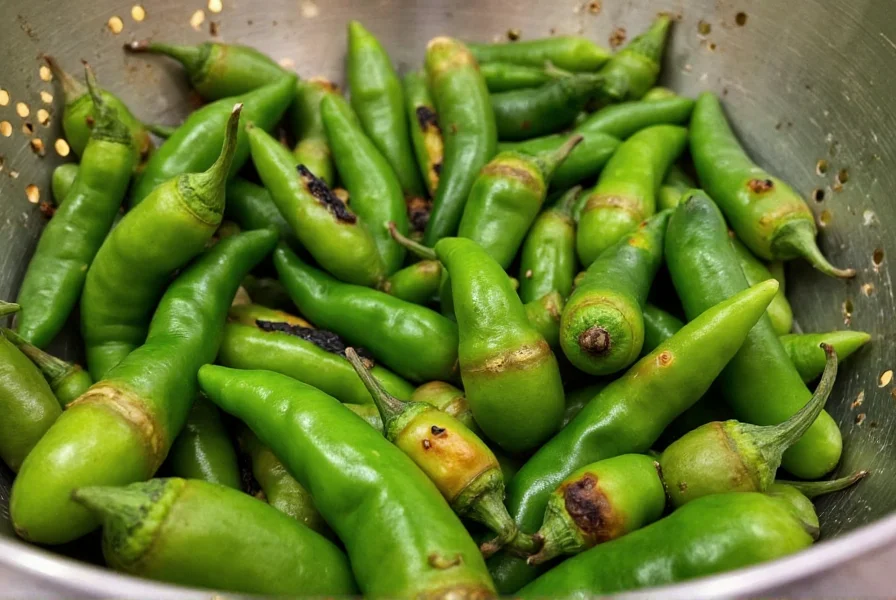
For those exploring regional variations, New Mexico-grown canned chilies typically offer more complex flavor profiles with earthy notes, while California-grown versions tend toward brighter, cleaner pepper flavor. The "Hatch" designation specifically refers to peppers grown in the Hatch Valley region of New Mexico, though many products use this term generically. True Hatch chilies are only available fresh August-September, making canned versions the primary year-round option.




 浙公网安备
33010002000092号
浙公网安备
33010002000092号 浙B2-20120091-4