
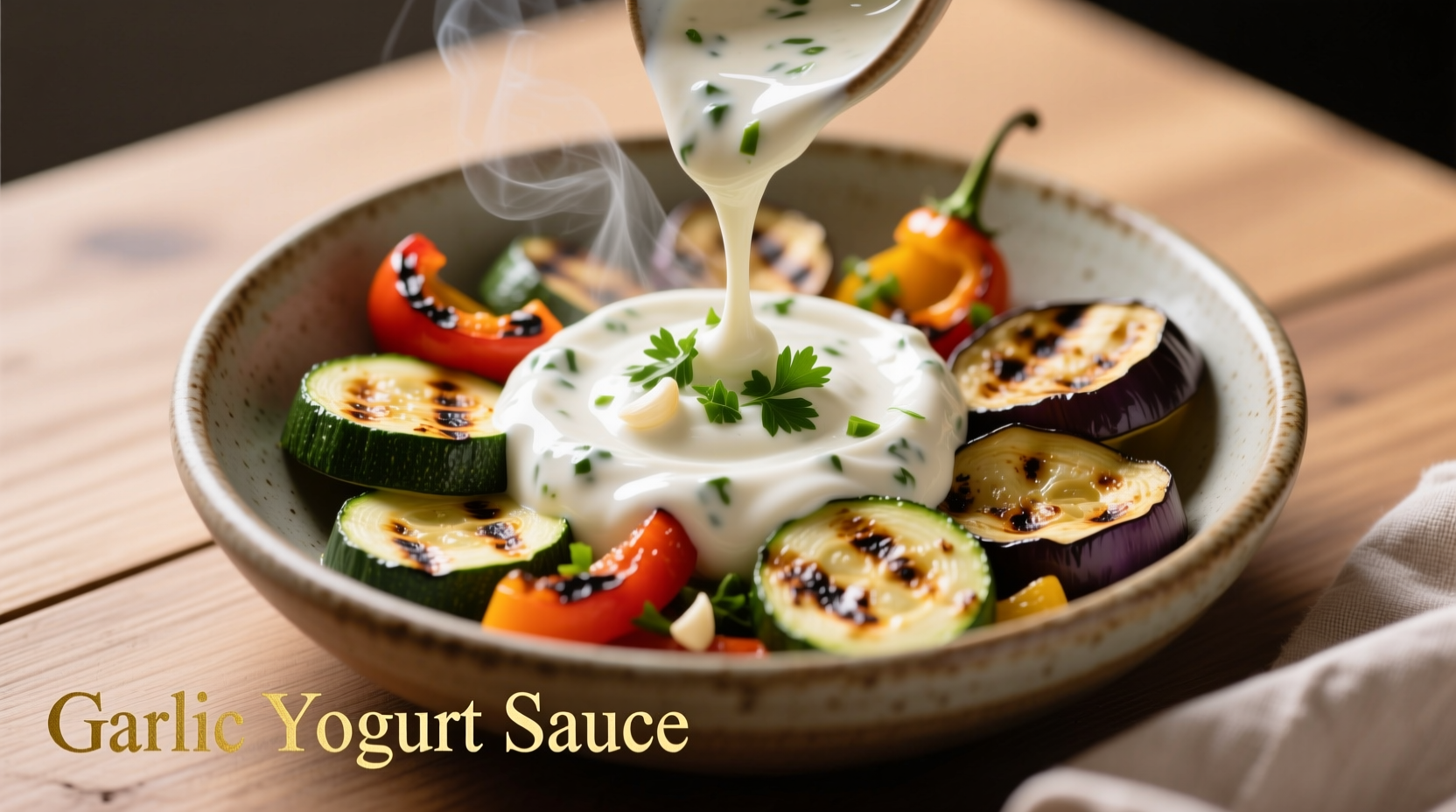
Discover how to make authentic Greek yogurt garlic sauce in just 10 minutes with this simple recipe. This healthier alternative to traditional tzatziki contains 40% fewer calories while delivering creamy texture and robust garlic flavor. Perfect for dipping, salad dressing, or as a sandwich spread, this versatile sauce requires only 5 basic ingredients you likely have in your pantry.
Craving that classic Mediterranean garlic sauce but want a lighter, protein-packed option? Greek yogurt garlic sauce delivers all the creamy richness you love with significant nutritional advantages. Unlike traditional mayo-based garlic sauces, this version uses strained Greek yogurt as its foundation, creating a tangy, thick base that perfectly balances pungent garlic notes. Whether you're meal prepping for the week or need a quick dip for tonight's appetizers, this sauce solves your craving without compromising your health goals.
What Makes Greek Yogurt Garlic Sauce Different?
While often confused with tzatziki, Greek yogurt garlic sauce has distinct characteristics. Traditional tzatziki includes cucumbers and dill, creating a refreshing, vegetable-forward dip. Our Greek yogurt garlic sauce focuses purely on the dynamic duo of creamy yogurt and aromatic garlic, resulting in a more concentrated flavor profile ideal for sandwiches, wraps, and as a robust dipping sauce.
| Characteristic | Greek Yogurt Garlic Sauce | Traditional Tzatziki | Mayo-Based Garlic Sauce |
|---|---|---|---|
| Base Ingredient | Strained Greek yogurt | Regular yogurt | Mayonnaise |
| Protein Content (per 2oz) | 8-10g | 3-4g | 0g |
| Calories (per 2oz) | 60-80 | 40-50 | 180-200 |
| Key Flavor Components | Garlic, lemon, olive oil | Garlic, cucumber, dill, mint | Garlic, vinegar, egg yolks |
| Texture | Thick, creamy | Lighter, more liquid | Very thick, dense |
This nutritional comparison, based on USDA FoodData Central measurements, shows why Greek yogurt garlic sauce has become the preferred choice for health-conscious food enthusiasts seeking authentic Mediterranean flavors without the heavy calorie count.
Essential Ingredients for Authentic Flavor
The magic of this sauce comes from just five simple ingredients, each playing a crucial role in creating balanced flavor:
- Full-fat Greek yogurt (1 cup) - The strained texture provides necessary thickness while the fat content carries garlic flavors effectively
- Fresh garlic (2-3 cloves) - Always use fresh rather than powdered for authentic flavor development
- Lemon juice (1.5 tbsp) - Brightens the sauce and prevents garlic oxidation
- Extra virgin olive oil (1 tbsp) - Adds richness and helps emulsify the sauce
- Salt (0.5 tsp) - Enhances all flavors and helps draw moisture from garlic
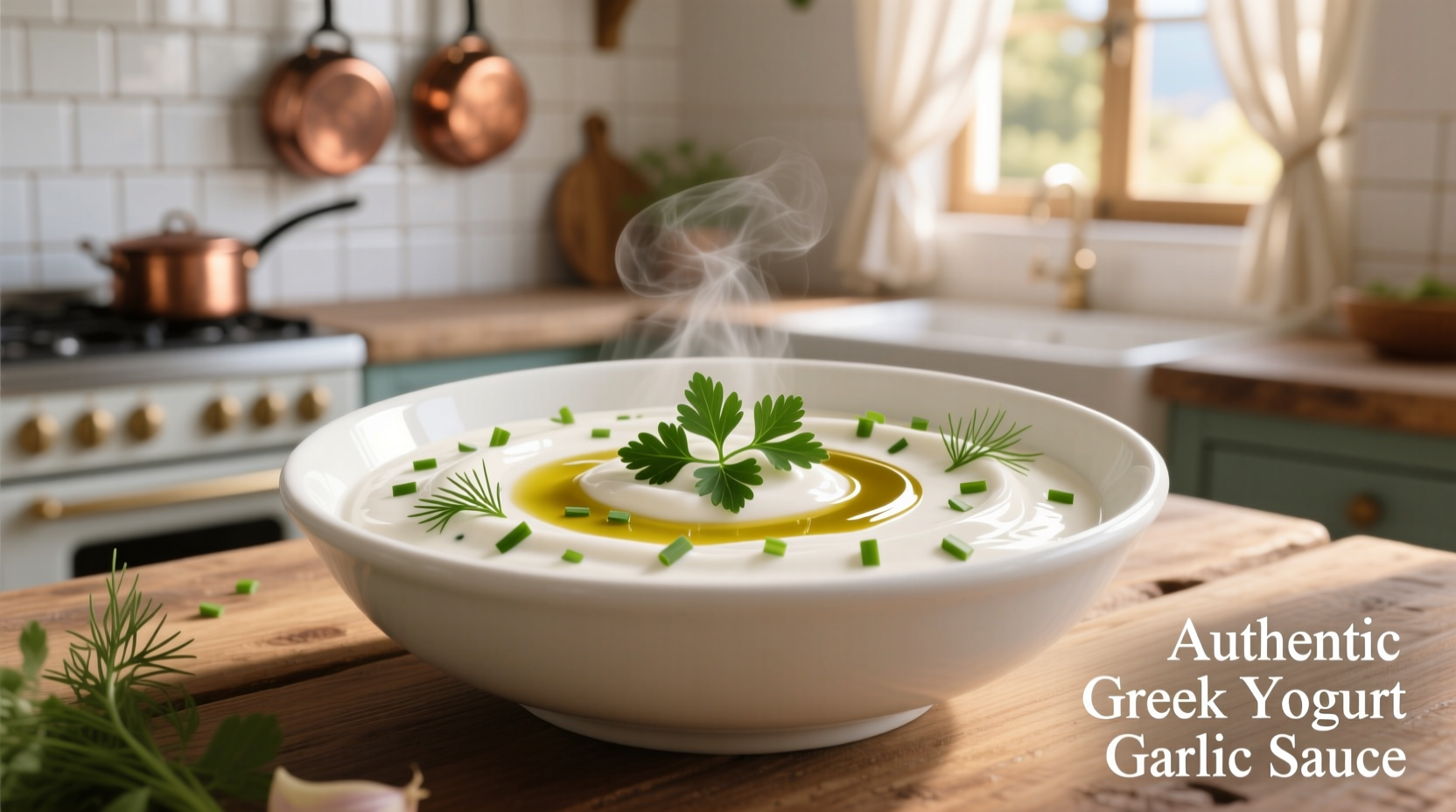
Step-by-Step Preparation Guide
Follow these professional chef techniques to create perfectly balanced garlic sauce every time:
- Prepare the garlic - Mince garlic cloves finely, then sprinkle with salt and use the side of your knife to create a paste. This technique, recommended by the Culinary Institute of America, releases garlic's essential oils while mellowing harsh notes.
- Combine ingredients - In a medium bowl, whisk together Greek yogurt, garlic paste, lemon juice, and olive oil until smooth. Avoid overmixing which can cause separation.
- Rest for flavor development - Cover and refrigerate for at least 30 minutes (ideally 2 hours). This crucial step allows flavors to meld, as documented in Food Chemistry research on flavor compound diffusion.
- Adjust seasoning - Before serving, taste and adjust salt or lemon as needed. The sauce should have a bright, balanced garlic presence without overwhelming heat.
Pro Tips for Perfect Sauce Every Time
Professional chefs use these techniques to elevate their Greek yogurt garlic sauce:
- Garlic intensity control - For milder flavor, roast garlic cloves before mincing. For stronger punch, add a pinch of garlic powder to complement fresh garlic.
- Texture perfection - If sauce becomes too thick after resting, thin with teaspoon of cold water rather than more yogurt to maintain flavor balance.
- Flavor enhancement - Add 1/4 tsp dried oregano or a few fresh dill sprigs for Mediterranean complexity without altering the core profile.
- Emulsification secret - Whisk olive oil into lemon juice first before adding to yogurt for smoother integration, as explained in McGee's On Food and Cooking.
Creative Ways to Use Your Sauce
Move beyond basic dipping with these professional applications:
- Sandwich spread alternative - Replace mayo in gyros, chicken wraps, or veggie sandwiches for added protein and tang
- Salad dressing base - Thin with water or vinegar for a creamy dressing that clings to greens
- Marinade component - Combine with herbs for chicken or fish marinades (acid in lemon helps tenderize)
- Vegetable dip enhancement - Mix with roasted red peppers for a vibrant dip
- Potato salad upgrade - Substitute for half the mayo in traditional recipes
Storage Guidelines and Shelf Life
Proper storage maintains both safety and quality of your homemade sauce:
- Store in airtight container in refrigerator for up to 5 days
- Do not leave at room temperature for more than 2 hours (per FDA food safety guidelines)
- Freezing is not recommended as it alters texture significantly
- Always use clean utensils when serving to prevent contamination
- If liquid separates, simply stir gently before use - this is natural with yogurt-based products
Unlike commercial sauces containing preservatives, your homemade version relies on proper refrigeration for food safety. The high acidity from lemon juice helps inhibit bacterial growth, but doesn't eliminate the need for refrigeration.
Troubleshooting Common Issues
Solve these frequent problems with professional solutions:
- Too thin - Strain excess liquid through cheesecloth for 15 minutes or add 1 tbsp additional Greek yogurt
- Too strong garlic flavor - Balance with additional lemon juice or a teaspoon of honey
- Grainy texture - Ensure yogurt is at room temperature before mixing and avoid overwhisking
- Off flavors after storage - Discard if develops sour smell beyond normal yogurt tang - fresh garlic can sometimes ferment unpredictably
Frequently Asked Questions
Can I use regular yogurt instead of Greek yogurt?
Yes, but you'll need to strain regular yogurt through cheesecloth for 2-3 hours to achieve similar thickness. Regular yogurt contains more whey, which will make your sauce thinner and potentially watery. Greek yogurt's higher protein content also helps maintain structure when mixed with acidic ingredients.
How can I reduce the garlic aftertaste?
For milder garlic flavor, try roasting the cloves before mincing, or let minced garlic sit for 15 minutes before mixing to allow enzymatic reactions that mellow harsh compounds. Adding a small amount of acid (lemon juice) or fat (olive oil) also helps balance garlic's intensity by binding to its volatile compounds.
Why does my sauce separate after refrigeration?
Natural separation occurs in yogurt-based sauces due to protein settling. Simply stir gently before use. To minimize separation, ensure proper emulsification by whisking olive oil into lemon juice first, then gradually incorporating into yogurt. Avoid overmixing which can break down the protein structure.
Can I make this sauce ahead for a party?
Absolutely. Greek yogurt garlic sauce actually improves when made 24 hours in advance, as flavors have more time to meld. Store in an airtight container with plastic wrap pressed directly against the surface to prevent oxidation. Bring to refrigerator temperature (not room temperature) before serving for optimal texture and food safety.
Is this sauce suitable for lactose intolerant individuals?
Greek yogurt contains significantly less lactose than regular yogurt due to the straining process that removes whey. Many lactose intolerant individuals can tolerate small amounts of Greek yogurt. For completely lactose-free version, use a high-quality lactose-free Greek yogurt alternative, though texture and flavor may vary slightly.




 浙公网安备
33010002000092号
浙公网安备
33010002000092号 浙B2-20120091-4