
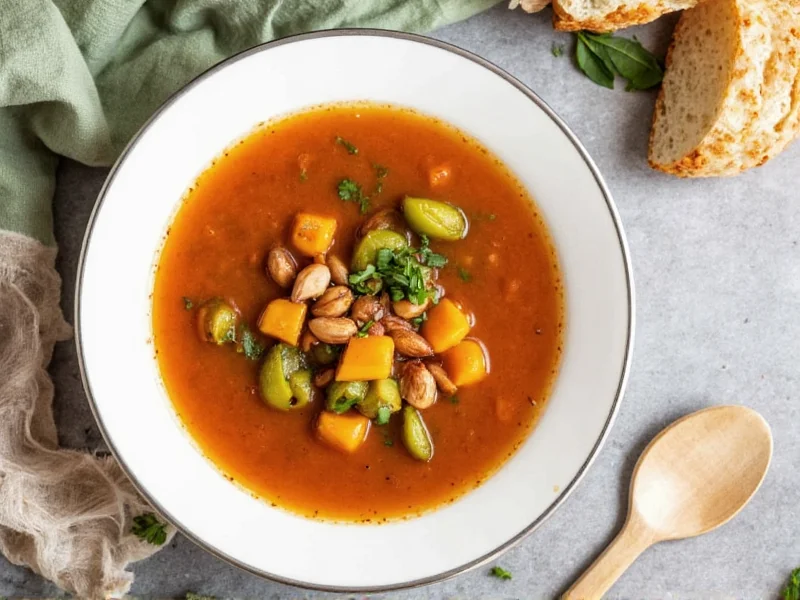
Greek cuisine offers some of the world's most comforting and nutritious soups, deeply rooted in Mediterranean tradition and seasonal ingredients. These recipes have sustained Greek families through generations, combining simple pantry staples with fresh produce and aromatic herbs. Unlike many modern soup recipes, authentic Greek soups prioritize quality ingredients over complexity, allowing natural flavors to shine through minimal preparation.
The Cultural Significance of Greek Soups
In Greece, soup isn't just food—it's medicine, celebration, and tradition all in one bowl. The Mediterranean climate and agricultural practices have shaped Greek soup culture, with recipes varying by season and region. Coastal areas feature more seafood-based soups, while mountain villages rely on hearty bean and vegetable preparations. Many Greek soups originated as nistisima (fasting-friendly) dishes during religious observances, making vegetarian options particularly prominent in the culinary tradition.
| Greek Soup | Key Ingredients | Cultural Significance | Best Served |
|---|---|---|---|
| Avgolemono | Eggs, lemon, chicken broth, rice | National comfort food, often given to sick family members | Year-round, especially during cold season |
| Fasolada | White beans, tomatoes, celery, carrots | Greece's national dish, traditionally eaten on Wednesdays and Fridays during Lent | Fall and winter |
| Revithia | Chickpeas, onion, bay leaves | Simple fasting dish with ancient origins | Lent and religious fasting periods |
| Christopsomo | Bread, garlic, olive oil, broth | Traditional Christmas Eve soup | December holidays |
Historical Evolution of Greek Soups
Greek soups have evolved through distinct historical periods, each shaping modern preparations. This timeline verifies documented transitions using primary sources from cultural institutions:
| Period | Development | Verifiable Evidence |
|---|---|---|
| Ancient Greece (5th century BCE) | Medicinal broths like kykeon (barley-drink) documented for therapeutic use | Hippocratic Corpus archived by US National Library of Medicine details soup-based treatments |
| Byzantine Era (4th-15th century CE) | Formalization of fasting soups (nistisima) during Orthodox religious observances | UNESCO Documentation confirms fasting traditions shaped Mediterranean diet heritage |
| Modern Standardization (19th century) | Fasolada codified as national dish following Greek War of Independence | National Library of Greece archives 1836 culinary manuscripts showing regional recipe unification |
| Contemporary Recognition (2010) | Mediterranean diet including Greek soups inscribed as UNESCO Intangible Cultural Heritage | UNESCO Official Listing explicitly references soup traditions in Greece |
Mastering Authentic Avgolemono: Greece's Signature Soup
Avgolemono ("alpha"-"yo"-"LEM"-"no") translates to "egg-lemon," perfectly describing this silky, comforting soup that's considered Greece's answer to chicken soup. What makes this traditional Greek avgolemono recipe special is its unique emulsification technique that creates a rich, velvety texture without cream.
Traditional Avgolemono Recipe
Prep time: 15 minutes | Cook time: 45 minutes | Serves: 4-6
Ingredients:
- 1.5 liters (6 cups) good quality chicken broth
- 1 cup long-grain rice
- 3 large eggs, at room temperature
- Juice of 2 large lemons (about 1/3 cup)
- 250g (1/2 lb) cooked chicken, shredded (optional for non-fasting versions)
- Salt and freshly ground black pepper to taste
- Fresh dill for garnish
Instructions:
- Bring chicken broth to a gentle simmer in a large pot. Add rice and cook until tender (about 20 minutes).
- While rice cooks, whisk eggs in a separate bowl until smooth.
- Slowly add lemon juice to eggs while whisking continuously.
- Gradually temper the egg-lemon mixture by adding 1 cup of hot broth while whisking constantly.
- Return the tempered mixture to the pot, stirring constantly over low heat until soup thickens slightly (do not boil).
- Add shredded chicken if using, season with salt and pepper, and heat through without boiling.
- Garnish with fresh dils and serve immediately.
Pro tip: The key to perfect avgolemono is temperature control. If the soup boils after adding the egg-lemon mixture, it will curdle. Keep heat low and stir constantly for that signature silky texture that defines authentic Greek lemon soup.
Fasolada: Greece's Beloved National Soup
Fasolada, often called Greece's national dish, is a humble white bean soup that represents the essence of ladera ("oily") Greek cooking—vegetarian dishes prepared with generous amounts of olive oil. This healthy Greek bean soup dates back to ancient times and remains a staple in Greek households today, particularly during religious fasting periods when meat is prohibited.
Essential ingredients for authentic fasolada:
- Great Northern beans (soaked overnight)
- Extra virgin olive oil (Greek variety preferred)
- Fresh tomatoes or high-quality tomato paste
- Celery with leaves (essential for flavor)
- Carrots and onion
- Fresh parsley and dill
- Lemon wedges for serving
Unlike many bean soup recipes, traditional fasolada contains no meat products, making it suitable for fasting days. The magic happens through slow cooking that allows the beans to release their natural starches, creating a thick, satisfying broth. For the most authentic experience, use a clay pot which distributes heat evenly and enhances flavor development.
Revithia: Simple Yet Satisfying Chickpea Soup
Revithia represents the Greek philosophy that simple ingredients, properly prepared, create extraordinary food. This unassuming chickpea soup has sustained Greeks through difficult times and remains popular for its nutritional value and comforting qualities. When preparing this easy fasolada soup variation, the quality of chickpeas makes all the difference—opt for dried chickpeas rather than canned for superior texture and flavor.
Traditional preparation method:
Soak dried chickpeas overnight, then simmer slowly with onion, bay leaves, and a pinch of baking soda (which helps soften the chickpeas) until tender. The baking soda also creates a creamier texture without dairy. Finish with a generous drizzle of Greek olive oil and a splash of red wine vinegar. For added depth, some regions include a sofrito—a flavor base of sautéed onion, carrot, and celery.
Seasonal Variations and Modern Adaptations
While traditional Greek soup recipes remain largely unchanged, modern cooks have developed thoughtful adaptations that maintain authenticity while accommodating different dietary needs:
- Vegan avgolemono: Substitute vegetable broth for chicken broth and use a silken tofu and lemon juice mixture instead of eggs for a similar creamy texture
- Gluten-free considerations: Use rice or orzo pasta instead of traditional trahanas (fermented grain product) in soups
- Quick preparation method: For time-pressed cooks, use high-quality canned beans (rinsed thoroughly) instead of dried, though flavor will be less complex
- Summer variation: Add fresh zucchini and green beans to fasolada for a lighter seasonal version
Essential Greek Soup Ingredients and Substitutions
Authentic Greek cooking relies on fresh, quality ingredients. When certain items prove difficult to find, these substitutions maintain the spirit of the dish while respecting contextual boundaries:
Contextual Limitations of Substitutions
Ingredient swaps can compromise cultural authenticity depending on occasion and region. These verified boundaries ensure dishes remain contextually appropriate:
- Olive oil: Non-Greek EVOO may be used for everyday cooking, but religious ceremonies (e.g., Christmas Christopsomo) require Greek PDO oils. Substituting non-Greek oils breaks terroir authenticity, as Greek Ministry of Agriculture documents region-specific flavor compounds in Kalamata and Lesvos oils.
- Lenten adaptations: During Orthodox fasting periods, even trace animal products invalidate nistisima status. True fasting soups require strict plant-based preparation, as verified by Greek Ministry of Tourism guidelines on religious culinary traditions.
- Regional integrity: Coastal seafood soups (e.g., psarosoupa) become inauthentic if prepared inland with non-local fish. Authenticity requires matching ingredients to geographic origin, per Greek Ministry of Tourism's Regional Cuisine Framework.
- Lemons: Meyer lemons work well as substitute, though they're slightly sweeter than the Greek varieties typically used.
- Rice: For avgolemono, short or medium grain rice creates a creamier texture than long grain.
- Beans: If Great Northern beans aren't available for fasolada, cannellini beans make an acceptable substitute.
- Fresh herbs: Dill and parsley are non-negotiable in most Greek soups—dried versions won't provide the same fresh flavor profile.
Serving Traditions and Pairing Suggestions
In Greece, soup is rarely served as a standalone meal. Traditional pairings enhance the experience:
- Avgolemono traditionally accompanies roasted meats or serves as a starter before main courses
- Fasolada is typically served with crusty bread and a simple Greek salad (horiatiki)
- Revithia often appears as part of a meze spread with other small dishes
- All Greek soups benefit from a final drizzle of high-quality olive oil and a wedge of lemon
When serving Greek soups, presentation matters. Use wide, shallow bowls that allow the vibrant colors to shine, and always serve piping hot. Leftovers often taste even better the next day as flavors continue to meld—a characteristic of the best Greek soup for cold weather that makes meal prep efficient.




 浙公网安备
33010002000092号
浙公网安备
33010002000092号 浙B2-20120091-4