
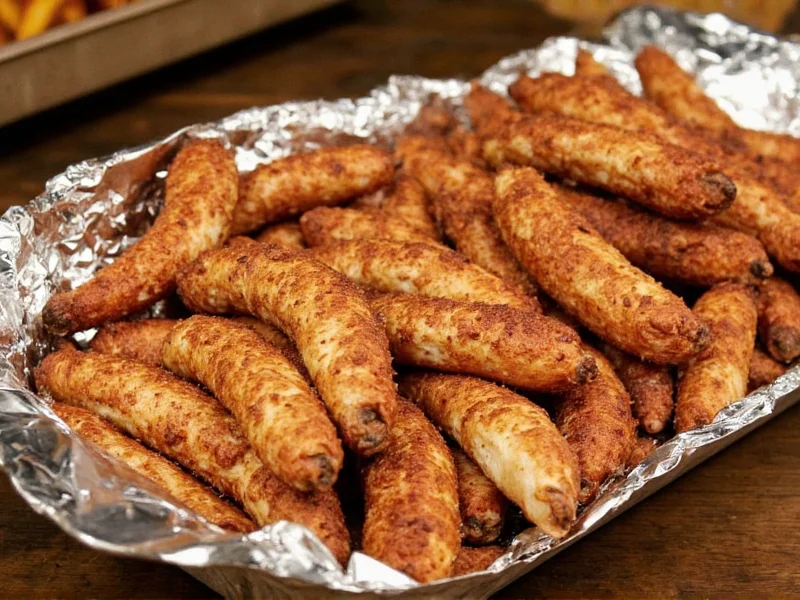
Creating an authentic Greek gyro spice mix at home transforms ordinary meat into a flavorful Mediterranean experience. Unlike commercial blends that often include non-traditional ingredients, the genuine Greek version relies on a specific combination of dried herbs and spices that have been used for generations in Athens and across Greece.
Core Components of Authentic Greek Gyro Seasoning
Understanding what makes a gyro spice mix authentically Greek requires distinguishing it from Middle Eastern shawarma blends, which many confuse with Greek cuisine. Traditional Greek gyro seasoning focuses on Mediterranean herbs rather than the warmer spices common in other regional variations.
| Essential Spice | Traditional Role | Authenticity Level |
|---|---|---|
| Dried Oregano | Primary herb providing earthy, slightly floral notes | Essential (Greek mountain oregano is preferred) |
| Garlic Powder | Provides savory depth without raw garlic's intensity | Essential |
| Onion Powder | Complements garlic with sweet, savory foundation | Essential |
| Marjoram | Distinctive sweet-woodsy flavor central to Greek blends | Essential (often overlooked in imitations) |
| Thyme | Adds subtle lemony, herbal complexity | Essential |
| Rosemary | Contributes pine-like notes in moderation | Important |
| Paprika | Provides color and mild sweetness (not heat) | Important |
| Black Pepper | Essential seasoning for balance | Essential |
Traditional vs. Modern Variations
Many commercially available "Greek" gyro spice mixes contain ingredients never used in authentic Greek cuisine, particularly cumin and coriander. These spices are characteristic of Middle Eastern shawarma, not traditional Greek gyros. The confusion stems from Americanized interpretations that blend culinary traditions.
When crafting your homemade gyro spice blend, avoid these non-traditional additions for authentic results:
- Cumin (common in Turkish and Lebanese versions)
- Coriander (more typical in Egyptian and Syrian preparations)
- Cinnamon (used sparingly in some regional Greek dishes but not traditional for gyros)
- Cayenne pepper (authentic Greek gyro seasoning isn't spicy hot)
Creating Your Own Greek Gyro Spice Mix
The perfect homemade Greek gyro spice blend requires precise ratios that balance the distinctive Mediterranean flavor profile. This authentic recipe yields enough for approximately 2 pounds of meat:
Authentic Greek Gyro Spice Mix Recipe
- 2 tablespoons dried oregano (preferably Greek)
- 1½ tablespoons garlic powder
- 1½ tablespoons onion powder
- 1 tablespoon dried marjoram
- 1 tablespoon dried thyme
- 2 teaspoons dried rosemary, finely crushed
- 1½ teaspoons sweet paprika
- 1 teaspoon freshly ground black pepper
- ½ teaspoon sea salt (optional, as meat may be salted separately)
Mix all ingredients thoroughly in a small bowl. For optimal flavor development, store the blend in an airtight container for 24-48 hours before use to allow the flavors to meld.
Proper Application Techniques
Understanding how to use your Greek gyro spice mix properly makes a significant difference in the final product. Unlike many spice blends that work well with simple sprinkling, authentic gyro preparation requires specific techniques:
For Ground Meat Gyros (Traditional Method)
- Mix 2-3 tablespoons of spice blend per pound of ground meat (lamb, beef, or pork)
- Add 1-2 tablespoons olive oil to help the spices adhere
- Refrigerate for at least 4 hours (overnight preferred)
- Form into a loaf shape for vertical cooking or patties for grilling
For Sliced Meat Gyros (Modern Variation)
- Create a marinade with 3 parts olive oil to 1 part lemon juice
- Add 2 tablespoons spice mix per pound of meat
- Marinate for 8-12 hours for best results
- Cook on vertical rotisserie or grill
Storage and Shelf Life
Proper storage maintains the potency of your homemade Greek gyro seasoning. Store in an airtight container away from light and heat. When stored correctly:
- Freshly made blend: 3-4 months optimal flavor
- Commercial blends: 6 months from opening
- For extended storage: Freeze in ice cube trays with olive oil (thaw before use)
Test your blend's freshness by rubbing a small amount between your fingers. If the aroma is weak or musty, it's time to make a new batch. Fresh spice blends should release a vibrant, complex fragrance immediately.
Common Mistakes to Avoid
Even experienced cooks make errors when preparing Greek gyro spice mixes. These pitfalls compromise authenticity and flavor:
- Using fresh herbs instead of dried: Traditional Greek gyro seasoning uses dried herbs exclusively for concentrated flavor that withstands cooking
- Overusing rosemary: This potent herb should play a supporting role, not dominate the blend
- Adding liquid ingredients to the dry mix: Create separate marinades rather than compromising your dry spice blend
- Not toasting spices first: Unlike some blends, authentic Greek gyro spices shouldn't be toasted as this alters their delicate balance
- Using pre-ground spices that are old: Stale spices lack the vibrant flavor essential to authentic Greek cuisine
Regional Variations Within Greece
While the core ingredients remain consistent, regional differences exist across Greece:
- Athens style: Higher proportion of oregano with subtle marjoram notes
- Thessaloniki style: Slightly more garlic-forward with added lemon zest
- Island variations: Some Aegean islands incorporate a touch of allspice
- Mainland mountain regions: Often feature more robust rosemary presence
These regional differences reflect local herb availability and culinary traditions, but all maintain the essential Mediterranean profile that defines authentic Greek gyro seasoning.
Historical Evolution of Greek Meat Seasoning Traditions
The development of Greek gyro spice reflects centuries of culinary adaptation while maintaining core Mediterranean principles. Unlike Middle Eastern spice traditions influenced by ancient trade routes, Greek seasoning evolved from locally available herbs shaped by geography and historical context.
| Period | Culinary Context | Spice Development |
|---|---|---|
| Ancient Greece (8th c. BCE) | Foundation of Mediterranean cuisine | Wild oregano and thyme used in meat preservation; no imported spices |
| Byzantine Era (4th-15th c.) | Greek culinary identity preserved under empire | Marjoram and rosemary standardized in meat preparations; avoidance of cumin documented in monastic records |
| Ottoman Period (15th-19th c.) | Cultural exchange with limitations | Greek communities maintained herb-focused blends while Ottoman cuisine incorporated cumin; regional divergence established |
| Modern Era (20th c.-present) | Globalization of Greek cuisine | American "gyro" format emerged (1960s); Greek Ministry of Tourism guidelines now distinguish authentic blends from commercial adaptations |
Source: National Hellenic Museum documentation confirms the sandwich format originated in 1960s America (The History of the Gyro), while the spice philosophy aligns with ancient Greek culinary principles preserved through historical continuity. The Hellenic Ministry of Tourism's culinary guidelines explicitly differentiate authentic Greek meat seasonings from Middle Eastern variants.
Contextual Application Boundaries
Authentic Greek gyro spice achieves optimal results only within specific culinary parameters. Understanding these boundaries prevents flavor conflicts and maintains authenticity, as emphasized in culinary education standards.
The Culinary Institute of America's research on regional spice compatibility demonstrates that Mediterranean herb blends like Greek gyro seasoning:
- Excel in: Lamb/beef/pork preparations, tomato-based sauces, and vegetable dishes where earthy notes complement olive oil foundations
- Require modification for: Poultry (reduce rosemary by 50%), fish (substitute thyme for rosemary), or vegetarian applications (add umami boosters)
- Fail in: Asian cuisines (clashes with soy/fish sauce), Latin American dishes (conflicts with cumin/chili profiles), or sweet applications
Professional chefs note that exceeding 2 tablespoons per pound of meat in non-traditional applications creates imbalance, as documented in the Culinary Institute's Spices and Herbs Resource Guide. Always consider the entire flavor architecture before incorporating regional spice blends.




 浙公网安备
33010002000092号
浙公网安备
33010002000092号 浙B2-20120091-4