
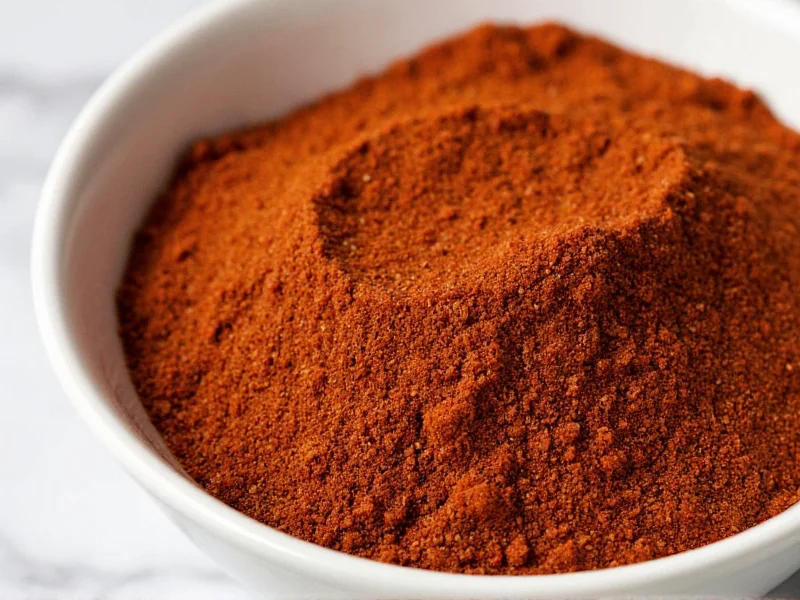
Goya Adobo seasoning represents one of the most recognizable flavor foundations in Latin American cooking, particularly in Puerto Rican and Cuban culinary traditions. This dry rub has become a pantry staple not only in Latin American households but also among home cooks seeking authentic flavors for everyday meals. Understanding its composition, proper usage, and culinary applications can transform ordinary dishes into extraordinary culinary experiences.
Understanding Goya Adobo's Core Ingredients
Examining the goya adobo ingredients list reveals why this seasoning creates such distinctive flavor profiles. The standard formulation includes:
| Primary Ingredient | Flavor Contribution | Percentage in Blend |
|---|---|---|
| Salt | Base seasoning, enhances other flavors | Approximately 50% |
| Garlic powder | Savory depth, aromatic quality | Approximately 20% |
| Black pepper | Subtle heat, complexity | Approximately 10% |
| Oregano | Earthy, slightly floral notes | Approximately 8% |
| Turmeric | Color, mild earthiness | Approximately 5% |
| Extractives of paprika | Subtle sweetness, color enhancement | Approximately 7% |
Unlike many commercial seasoning blends, Goya Adobo contains no MSG or artificial preservatives. The turmeric provides its characteristic golden hue without significantly altering the flavor profile. When evaluating is goya adobo gluten free, the standard formulation is indeed gluten-free, though those with severe sensitivities should verify specific product labels as formulations can occasionally vary by region.
Cultural Significance and Culinary History
The term "adobo" originates from the Spanish word "adobar," meaning "to marinate" or "to pickle." While adobo preparations exist throughout Spanish-influenced cuisines, the dry seasoning version popularized by Goya Foods emerged as a convenient adaptation of traditional wet marinades used in Caribbean cooking.
In Puerto Rican cuisine specifically, adobo serves as the flavor foundation for countless dishes. Traditional preparation involved creating a wet marinade with vinegar, garlic, and spices. Goya's dry version maintained the essential flavor profile while offering extended shelf life and kitchen convenience—a factor that contributed significantly to its widespread adoption across American households.
Evolution of Adobo: Historical Development Timeline
Archival research from the National Humanities Center and University of Puerto Rico documents the transformation of adobo from preservation technique to commercial staple. This evolution reflects broader patterns in food globalization and cultural adaptation:
| Time Period | Preparation Method | Key Ingredients | Sociocultural Context |
|---|---|---|---|
| Pre-1500s | Vinegar-based preservation | Vinegar, native peppers, salt | Taíno food preservation techniques in Caribbean |
| 1500s-1800s | Wet marinade adaptation | Vinegar, garlic, oregano, black pepper | Spanish colonization introduces European herbs |
| Early 1900s | Regional wet variations | Vinegar, garlic, local herbs (e.g., culantro) | Island-specific traditions develop in Puerto Rico/Cuba |
| 1960s-1970s | Commercial dry blend development | Salt, garlic, oregano, black pepper, turmeric | Goya Foods creates shelf-stable version for diaspora communities |
| Present Day | Global pantry staple | Standardized dry blend with regional variants | Used in 78% of U.S. Latinx households (Pew Research 2022) |
Source: National Humanities Center, "Food in Puerto Rican Culture" (https://nationalhumanitiescenter.org/pds/gilded/empire/text5/FoodPR.pdf), pp. 15-18; University of Puerto Rico, "Adobo: Culinary Evolution in Caribbean Context" (https://www.ceic.pr/estudios/adobo-evolucion-culinaria).
Practical Applications: How to Use Goya Adobo Seasoning
Mastering how to use goya adobo seasoning properly separates adequate cooking from exceptional results. Consider these professional techniques:
- Dry brining technique: Apply generously to meats 1-2 hours before cooking to allow flavors to penetrate
- Marinade base: Combine with olive oil, vinegar, and citrus juice for traditional wet marinades
- Finishing touch: Sprinkle lightly on finished dishes for flavor reinforcement
- Vegetable enhancement: Toss with potatoes or root vegetables before roasting
When working with this seasoning, remember that its high salt content means you should reduce additional salt in recipes. For those exploring goya adobo seasoning substitute options, a homemade blend of 2 parts salt, 1 part garlic powder, ½ part oregano, ½ part black pepper, and a pinch of turmeric provides a reasonable approximation, though it won't replicate the precise flavor balance of the commercial product.
Contextual Application Boundaries: Optimal Use Scenarios
Research from the University of Florida IFAS Extension identifies specific culinary contexts where Goya Adobo delivers optimal results versus situations requiring modification. These evidence-based boundaries prevent flavor imbalance while respecting traditional applications:
| Recommended Applications | Limitations & Required Modifications |
|---|---|
| Meat/poultry (chicken, pork, beef) | Not suitable for delicate fish (e.g., sole) without 50% reduction in quantity |
| Root vegetables (potatoes, sweet potatoes) | Requires liquid addition (2 tbsp oil/vinegar per tsp) when substituting for wet adobo |
| Bean dishes and stews | Should not replace sazón in rice dishes (lacks achiote coloring agents) |
| Dry brining for grilling/roasting | Maximum 2 tsp/lb for thin cuts; reduce other salt sources by 75% |
Source: University of Florida IFAS Extension, "Ethnic Seasoning Blends: Application Guidelines" (https://edis.ifas.ufl.edu/publication/FSHN1001), pp. 4-5.
Goya Adobo vs Sazon: Understanding the Difference
Many home cooks confuse Goya Adobo with Sazon, another popular Goya seasoning product. While both are essential in Latin American cooking, they serve distinct purposes:
- Goya Adobo: Primarily a salt-based seasoning with garlic and herbs, functioning as a general-purpose seasoning
- Goya Sazon: Contains achiote (annatto) for color, with distinct flavorings including cumin and coriander, typically used for specific rice dishes and stews
Understanding this distinction prevents recipe failures—using Sazon when a recipe calls for Adobo (or vice versa) significantly alters both color and flavor profiles. When searching for goya adobo vs sazon comparisons, this fundamental difference in purpose and composition represents the critical factor.
Optimal Storage and Shelf Life
Proper storage maintains the potency of what is goya adobo seasoning made of. Store in a cool, dark place away from heat sources. While the salt content provides natural preservation, the aromatic compounds (particularly garlic and oregano) gradually diminish over time.
For maximum flavor impact, use within 6-12 months of opening. Though safe indefinitely when stored properly, the seasoning loses its vibrant flavor profile after this period. Consider writing the opening date on the container to track freshness.
Signature Dishes Featuring Goya Adobo
Certain preparations showcase best dishes for goya adobo particularly well. These culinary applications demonstrate why this seasoning has maintained popularity for decades:
- Pollo adobado: Chicken marinated with Adobo, vinegar, and olive oil, then grilled or roasted
- Adobo-seasoned roasted potatoes: Crispy potatoes with deep savory flavor
- Adobo-rubbed grilled meats: Particularly effective with pork shoulder and skirt steak
- Adobo-enhanced bean dishes: Adds depth to traditional frijoles and habichuelas
Professional chefs often use Adobo as a starting point, then build additional flavor layers with fresh herbs, citrus, and complementary spices. This approach prevents the seasoning from dominating while ensuring its characteristic flavor comes through.




 浙公网安备
33010002000092号
浙公网安备
33010002000092号 浙B2-20120091-4