
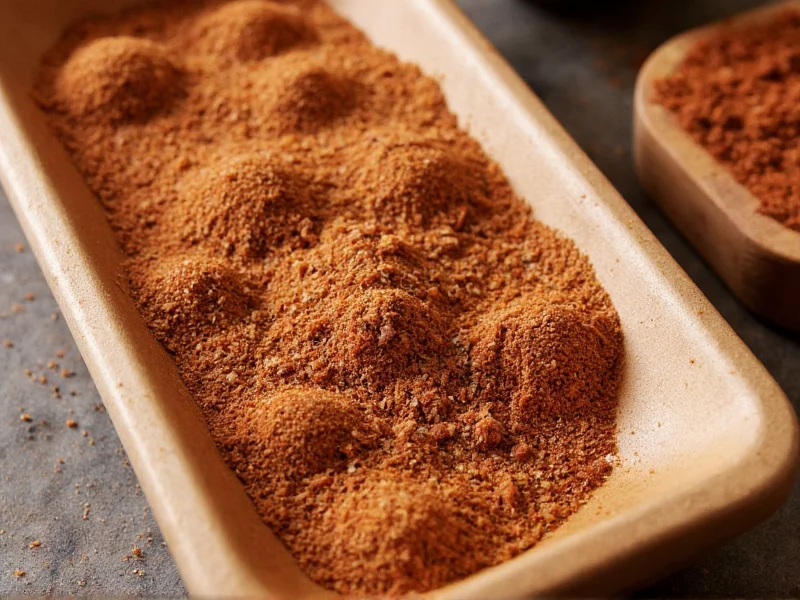
Understanding Goya Seasoning Varieties
Goya Foods produces several distinct seasoning blends that are often confused with one another. While commonly referred to collectively as “goya seasoning,” each product serves a specific purpose in Latin cooking. The confusion stems from their similar packaging and shared brand name, but their ingredients and culinary applications differ significantly.
Key Ingredients in Popular Goya Seasoning Blends
Understanding what goes into each Goya seasoning blend helps home cooks select the right product for their recipes. The ingredient lists reveal why certain seasonings work better for specific dishes than others.
| Seasoning Type | Primary Ingredients | Distinctive Components | Best Used For |
|---|---|---|---|
| Goya Adobo | Salt, garlic powder, oregano, black pepper, olive oil | No artificial colors | All-purpose seasoning for meats, poultry, fish |
| Goya Sazón | Salt, coriander, cumin, achiote, garlic | Achiote (annatto) for color | Rice, beans, stews, giving dishes yellow-orange hue |
| Goya Recaito | Cilantro, onion, green pepper, garlic, oil | Fresh herb base (no tomato) | Base for Puerto Rican and Dominican dishes |
| Goya Sofrito | Tomato, onion, green pepper, cilantro, garlic | Tomato-based version | Base for Spanish and Cuban dishes |
How Goya Adobo Differs From Other Seasonings
Many home cooks wonder about the difference between Goya Adobo and other similar seasonings. Adobo is often confused with Sazón, but they serve different purposes. While Adobo functions as a general seasoning similar to seasoned salt, Sazón contains achiote which provides both flavor and distinctive coloring to dishes.
When comparing Goya Adobo to generic adobo seasonings, the Goya version typically contains more salt and less garlic than homemade versions. This commercial formulation ensures consistent flavor while extending shelf life. For those seeking how to make goya adobo seasoning without salt, creating a homemade version with garlic powder, oregano, and black pepper provides a similar flavor profile with sodium control.
Practical Applications in Everyday Cooking
Understanding what is goya adobo seasoning used for unlocks its versatility in the kitchen. Professional chefs and home cooks use Goya Adobo as a dry rub for meats before grilling or roasting. The olive oil in the blend helps the seasoning adhere to proteins while promoting caramelization.
For authentic Latin dishes, many cooks recommend using Goya seasoning as part of a three-step process: first applying Adobo as a base seasoning, then adding Sazón for color and additional flavor, and finishing with Recaito or Sofrito as the cooking base. This layering technique creates complex flavors characteristic of traditional Puerto Rican and Dominican cuisine.
When exploring how to use goya seasoning in recipes, consider these practical applications:
- Rub chicken thighs with Adobo before air frying for crispy, flavorful skin
- Add Sazón to rice water for vibrant, flavorful yellow rice
- Use Recaito as the flavor base for beans instead of starting with raw onions and peppers
- Combine Adobo with olive oil for a quick marinade for skirt steak
Storage and Shelf Life Considerations
Proper storage extends the freshness and potency of Goya seasoning products. All Goya seasoning blends should be stored in a cool, dry place away from direct sunlight. The olive oil content in Adobo means it has a shorter shelf life than purely dry seasonings—typically 18-24 months after opening.
When determining does goya adobo seasoning go bad, check for these signs:
- Loss of vibrant color (especially important for Sazón with its achiote)
- Weakened aroma when opening the container
- Clumping or moisture inside the container
- Rancid smell from the olive oil component
Creating Balanced Flavor Profiles
Mastering how much goya seasoning to use per pound of meat prevents over-seasoning. A general guideline is 1 teaspoon of Adobo per pound of meat, adjusting based on personal preference and other seasonings in the recipe. Remember that Adobo contains salt, so reduce additional salt accordingly.
For those exploring goya adobo seasoning substitute options, a homemade blend of 2 parts salt, 1 part garlic powder, 1/2 part oregano, and 1/4 part black pepper approximates the flavor profile. Adding a small amount of olive oil helps mimic the texture of the commercial product.
Regional Variations and Authenticity
Goya seasoning products reflect regional differences across Latin America and the Caribbean. Sazón with achiote dominates Puerto Rican cooking, while Recaito (without tomato) is essential in Dominican cuisine. Understanding these regional distinctions helps cooks achieve authentic flavors when preparing specific dishes.
When searching for what is the difference between goya adobo and sazón, recognize that Adobo functions as a general seasoning while Sazón provides both flavor and distinctive coloring. This knowledge prevents common mistakes like using Sazón in dishes where color alteration would be undesirable.
Historical Evolution of Goya Seasonings
The development of Goya's seasoning portfolio mirrors the migration patterns and cultural integration of Latin American communities in the United States. Founded in 1936 by Spanish immigrant Prudencio Unanue, Goya Foods initially catered to New York's Cuban community with imported olive oil. The introduction of Adobo in the 1950s provided a shelf-stable alternative to traditional adobo marinades, while Sazón emerged in the 1960s-70s to meet demand from Puerto Rican communities for consistent achiote-based coloring. According to historical analysis by the New York Times, these products evolved from niche ethnic items to mainstream staples as Latino populations expanded across the U.S., with Recaito formulations adapting to Dominican culinary traditions in the 1980s. This timeline demonstrates how commercial seasoning blends preserved cultural authenticity while enabling wider accessibility.
Cultural Context and Usage Boundaries
While Goya seasonings have gained popularity beyond Latin American households, their application requires understanding of cultural context and technical limitations. Data from the USDA Economic Research Service reveals significant usage disparities: 61% of Hispanic consumers regularly use adobo seasonings compared to only 15% of non-Hispanic consumers, highlighting its cultural specificity [Ethnic Foods Report, 2010]. Key contextual boundaries include:
- Regional Authenticity Limits: Sazón's achiote is fundamental in Puerto Rican cooking but considered non-traditional in Mexican cuisine where achiote use is minimal
- Dietary Constraints: Adobo's sodium content (190mg per 1/4 tsp) exceeds CDC recommendations for single-seasoning applications in heart-healthy diets
- Color Limitations: Sazón's vibrant hue can visually overwhelm delicate dishes like white fish or potato salads where color neutrality matters
- Culinary Technique Requirements: Recaito must be sautéed before use to develop flavors, unlike ready-to-use sofrito blends containing tomatoes
These boundaries explain why substitution errors occur when cultural context is ignored—such as using tomato-based Sofrito in authentic Dominican dishes where Recaito's green profile is essential.




 浙公网安备
33010002000092号
浙公网安备
33010002000092号 浙B2-20120091-4