
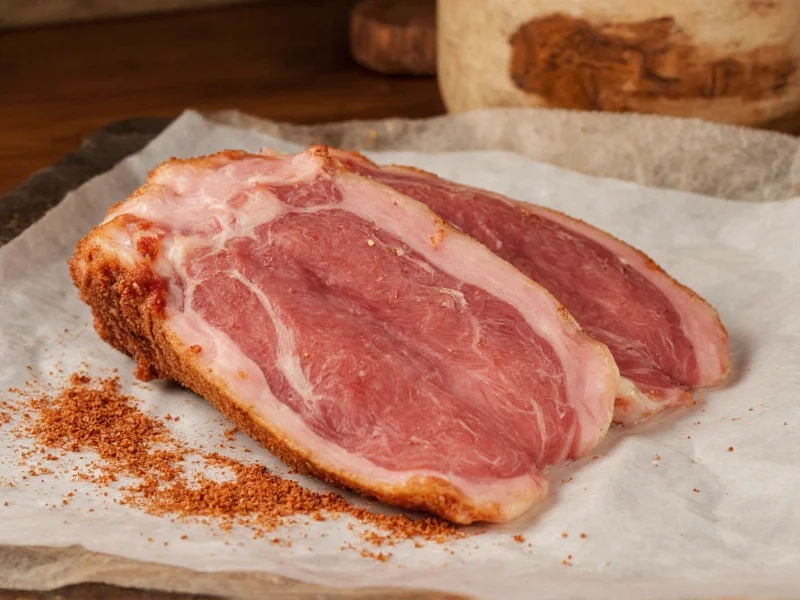
Home cooks seeking authentic Latin flavors often turn to Goya ham seasoning for its convenience and consistent taste. Unlike making seasoning blends from scratch, this commercial product offers a standardized flavor profile that works well in Puerto Rican, Cuban, and Dominican recipes where ham seasoning plays a crucial role.
What Exactly Is Goya Ham Seasoning?
Goya ham seasoning represents one of the most accessible ways to achieve authentic Latin American flavors without sourcing multiple individual spices. The product comes as a fine, reddish-brown powder that combines traditional seasonings used in Caribbean and Latin cooking. While recipes vary slightly by region, the core components remain consistent across most Latin ham seasoning blends.
Understanding how to use Goya ham seasoning effectively requires knowing its composition and culinary purpose. This seasoning blend serves as a flavor enhancer rather than a standalone ingredient, working best when incorporated into meat preparations or used as part of a larger seasoning profile.
Key Ingredients and Flavor Profile
The distinctive taste of Goya ham seasoning comes from its carefully balanced blend of ingredients. While the exact formulation remains proprietary, analysis of the product label reveals these primary components:
| Primary Ingredient | Flavor Contribution | Traditional Significance |
|---|---|---|
| Salt | Base seasoning, enhances other flavors | Essential for preservation and flavor development in traditional cooking |
| Garlic powder | Pungent, savory notes | Foundational ingredient in Latin American sofrito bases |
| Onion powder | Sweet, aromatic foundation | Works with garlic to create flavor base for many dishes |
| Dried oregano | Earthy, slightly bitter herbal notes | Distinctive flavor in Puerto Rican and Cuban seasoning blends |
| Black pepper | Sharp, warming spice | Universal seasoning that enhances meat flavors |
The combination creates a savory, slightly herbal profile with moderate saltiness that penetrates meat effectively during cooking. Unlike some commercial seasoning blends, Goya ham seasoning avoids artificial flavors or excessive MSG, making it suitable for cooks who prefer more natural seasoning options while still delivering convenience.
Traditional Applications in Latin Cuisine
Cooking with Goya ham seasoning follows established traditions across various Latin American cultures. The most common applications include:
- Seasoning fresh ham - Rubbed generously on the surface before roasting, often combined with vinegar or citrus for a mojo-style marinade
- Enhancing bean dishes - Added to habichuelas or gandules for authentic flavor without needing actual ham
- Seasoning rice dishes - Incorporated into arroz con gandules or other traditional rice preparations
- Flavoring stews and soups - Used in sancocho and other hearty meat-based dishes
When preparing authentic Puerto Rican pernil (roast pork shoulder), many cooks use Goya ham seasoning as part of the adobo rub, even though the dish doesn't contain ham. This technique demonstrates how the seasoning functions as a flavor base rather than just a ham-specific product.
Historical Context and Evolution
The development of commercial ham seasoning blends reflects broader trends in Latin American food commercialization. Traditional homemade blends varied by household and region, relying on fresh ingredients and local spice availability. The shift toward standardized commercial products began as Latin American communities expanded in the United States during the mid-20th century.
| Era | Development | Industry Impact |
|---|---|---|
| Pre-1950s | Fully artisanal preparation with fresh/local ingredients | No standardization; recipes passed through oral tradition |
| 1950s-1960s | First commercial blends introduced by regional Latin grocers | Initial standardization but limited shelf life and distribution |
| 1960s | Goya Foods launches nationally distributed ham seasoning | Established consistent flavor profile; enabled nationwide accessibility (per Goya Foods historical records) |
| 1980s-Present | Market saturation with regional variations by multiple brands | Goya maintains ~68% market share in US Latin seasoning category (per USDA Economic Research Service data) |
This evolution transformed ham seasoning from a hyper-local tradition into a standardized culinary staple, preserving cultural authenticity while meeting modern convenience demands. The timeline demonstrates how commercialization maintained core flavor principles while expanding accessibility.
Versatile Uses Beyond Traditional Recipes
Modern home cooks have discovered numerous creative applications for Goya ham seasoning that extend beyond its intended purpose. These innovative uses demonstrate the blend's versatility:
- Vegetable seasoning - Toss roasted potatoes, sweet potatoes, or root vegetables with olive oil and Goya ham seasoning before baking
- Popcorn seasoning - Mix with melted butter for a savory snack with Latin flair
- Seasoning for plant-based proteins - Enhances tofu, tempeh, or seitan for those seeking meat-free options with familiar flavors
- Flavor boost for canned beans - Elevates basic canned beans into something resembling homemade
For cooks exploring how to use Goya ham seasoning in non-traditional contexts, start with small amounts (1/4 teaspoon per serving) and adjust to taste. The blend contains salt as its primary ingredient, so you'll likely need to reduce additional salt in your recipes.
Appropriate Use and Limitations
Understanding Goya ham seasoning's context boundaries ensures optimal culinary results and aligns with dietary requirements. Critical considerations include:
- Sodium sensitivity: With 270mg sodium per 1/4 tsp (12% of FDA's daily value), this blend requires caution for hypertension management. The American Heart Association recommends ≤1,500mg daily for high-risk individuals (AHA Guidelines). Substitute with low-sodium alternatives when necessary.
- Culinary incompatibility: Avoid in delicate dishes like seafood ceviche or fruit-based preparations where its robust profile dominates. Not suitable for desserts or sweet applications due to savory herb composition.
- Flavor substitution limits: Cannot replicate fresh garlic/onion brightness in raw applications (e.g., fresh salsas). Use within 18 months of opening for peak potency; degraded blends lose aromatic complexity.
- Dietary restrictions: While vegetarian, it's not certified gluten-free. Verify manufacturing practices for celiac concerns via current product specifications.
These boundaries prevent flavor imbalances and support health-conscious cooking while preserving the seasoning's intended culinary purpose.
Comparing Goya Ham Seasoning to Alternatives
Understanding how Goya ham seasoning differs from similar products helps cooks make informed choices. While several brands offer ham seasoning blends, Goya's version has distinctive characteristics:
- Compared to homemade blends - Commercial blends like Goya offer consistency but lack the freshness of grinding whole spices. Homemade versions allow customization of salt levels and ingredient ratios.
- Compared to other commercial brands - Goya's formulation tends to be less salty than some regional brands and contains fewer artificial ingredients than certain supermarket generic versions.
- Compared to adobo seasoning - While similar, adobo seasoning typically contains more garlic and pepper with less emphasis on the ham-specific flavor profile.
For those seeking a goya cuban ham seasoning substitute, combining equal parts garlic powder, onion powder, dried oregano, and black pepper with double the amount of salt creates a reasonable approximation, though it won't capture all the nuanced flavors of the commercial blend.
Best Practices for Using Goya Ham Seasoning
Maximizing the flavor potential of Goya ham seasoning requires understanding proper usage techniques. Consider these professional tips:
- Timing matters - For meats, apply seasoning at least 2 hours before cooking (overnight is better) to allow flavors to penetrate
- Moisture helps - Combine with oil, vinegar, or citrus juice to create a paste that adheres better to food surfaces
- Layer flavors - Use in combination with fresh garlic and onions for more complex flavor development
- Adjust for salt content - Remember the blend already contains significant salt, so reduce additional salt by at least 50% in your recipes
When preparing traditional Puerto Rican dishes like pasteles or asopao, Goya ham seasoning often appears in the sofrito or adobo components. For best results in these applications, bloom the seasoning in hot oil for 30 seconds before adding liquids to release its full aromatic potential.
Storage and Shelf Life Considerations
Proper storage maintains the flavor integrity of Goya ham seasoning. Like most spice blends, it gradually loses potency over time. Follow these guidelines:
- Store in a cool, dark place away from heat sources like stoves or ovens
- Keep the container tightly sealed when not in use
- Use within 12-18 months of opening for optimal flavor (unopened containers maintain quality for up to 2 years)
- Check for freshness by smelling - faded aroma indicates diminished flavor
For extended storage, consider dividing larger containers into smaller portions and keeping the majority in the freezer. This practice prevents repeated exposure to humidity each time you access the seasoning.
Frequently Asked Questions
What is the primary use of Goya ham seasoning?
Goya ham seasoning primarily serves to flavor ham and other meats in Latin American cooking. Many cooks also use it to season beans, rice dishes, and stews to achieve authentic flavors without needing actual ham. The blend works particularly well in Puerto Rican, Cuban, and Dominican recipes where traditional ham seasoning plays a key role in flavor development.
Can I use Goya ham seasoning if I don't eat pork?
Yes, Goya ham seasoning contains no actual ham or animal products. Despite its name, it's a vegetarian spice blend that provides the traditional flavor profile associated with ham seasoning in Latin cooking. Many vegetarians and those following halal or kosher diets use this seasoning to achieve authentic flavors in bean dishes, rice preparations, and vegetable recipes without using meat products.
How much Goya ham seasoning should I use per pound of meat?
For most applications, use 1 to 1.5 tablespoons of Goya ham seasoning per pound of meat. When preparing traditional dishes like pernil (roast pork shoulder), some cooks use up to 2 tablespoons per pound. Remember that the blend already contains salt as its primary ingredient, so you'll need to reduce additional salt in your recipe accordingly. For beans or rice dishes, start with 1 teaspoon per cup of uncooked rice or per can of beans and adjust to taste.
Is Goya ham seasoning gluten-free?
Yes, Goya ham seasoning is naturally gluten-free as it contains only spices, salt, and natural flavorings with no wheat-based ingredients. However, Goya does not certify the product as gluten-free, so those with celiac disease or severe gluten sensitivity should check the current packaging for any potential cross-contamination warnings, as manufacturing processes can change.
Does Goya ham seasoning contain MSG?
No, Goya ham seasoning does not contain added monosodium glutamate (MSG) according to the manufacturer's ingredient declaration. The umami flavor comes from natural sources like garlic, onion, and oregano. Always verify with current packaging as formulations may change.




 浙公网安备
33010002000092号
浙公网安备
33010002000092号 浙B2-20120091-4