
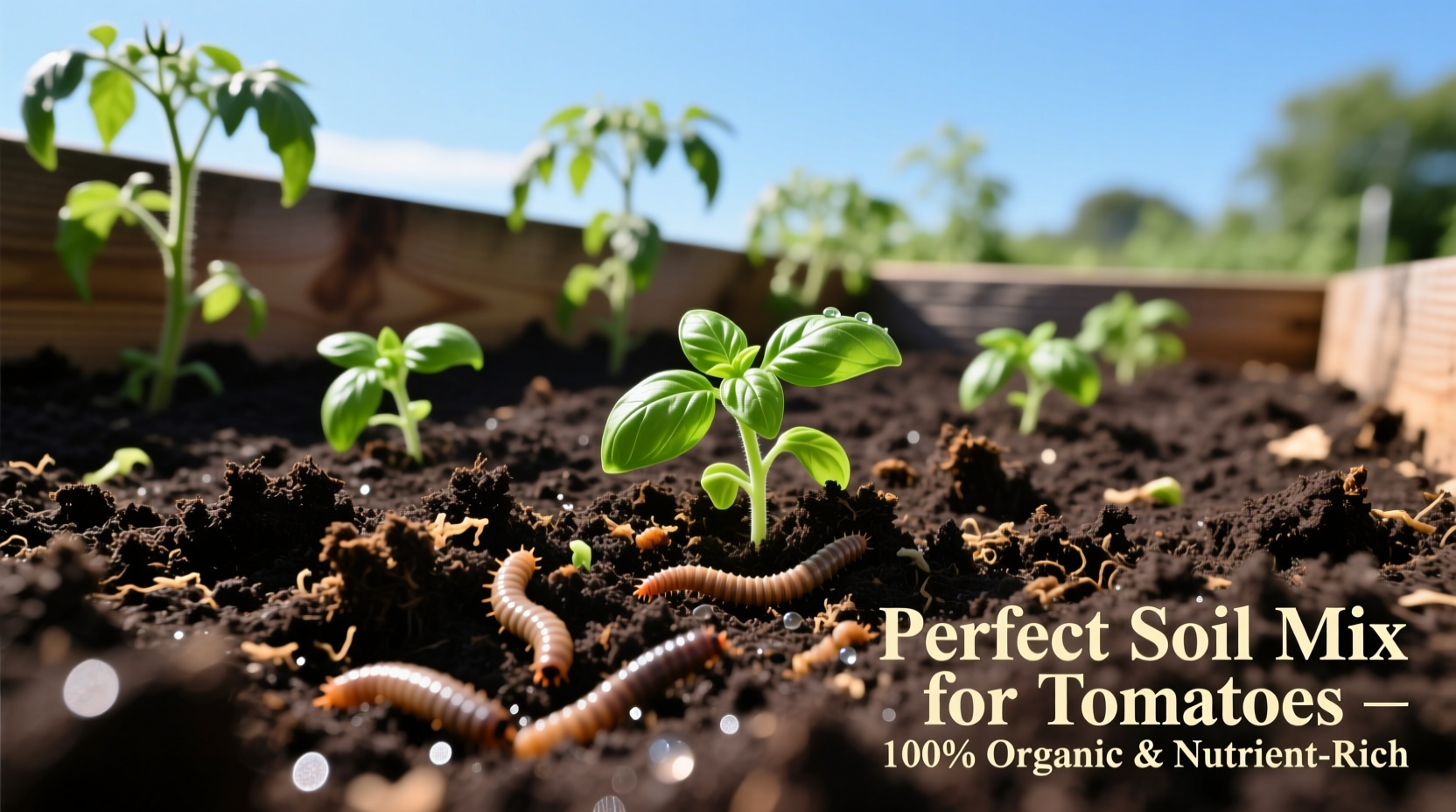
Every tomato grower dreams of plump, flavorful fruits ripening on vigorous plants. What separates thriving tomato gardens from disappointing yields often comes down to one critical factor: soil quality. Understanding good soil for tomato plants transforms gardening from guesswork to reliable success.
Why Soil Composition Determines Tomato Success
Tomato plants develop extensive root systems that require specific soil conditions to access water and nutrients efficiently. Unlike many vegetables, tomatoes are particularly sensitive to soil chemistry and structure. Poor soil leads to stunted growth, blossom end rot, and increased disease susceptibility. The best soil mix for container tomatoes differs slightly from in-ground requirements, but both share core characteristics that support healthy development.
| Soil Component | Ideal Range for Tomatoes | Function |
|---|---|---|
| pH Level | 6.2-6.8 | Optimizes nutrient availability |
| Organic Matter | 3-5% | Improves structure and water retention |
| Texture (Loam) | 40% sand, 40% silt, 20% clay | Balances drainage and moisture retention |
| Nitrogen (N) | Moderate | Supports leaf growth (avoid excess) |
| Phosphorus (P) | High | Promotes root development and fruiting |
| Potassium (K) | High | Enhances disease resistance and fruit quality |
This tomato soil composition chart reflects recommendations from the USDA Natural Resources Conservation Service, which emphasizes that tomatoes perform best in soils where essential nutrients remain consistently available throughout the growing season (USDA Soil Health).
Testing Your Soil Before Planting
Don't guess—test. Professional soil analysis provides the foundation for creating ideal soil for tomato plants. Home test kits give basic pH readings, but for comprehensive results:
- Collect samples from multiple locations in your garden
- Test at 6-8 inch depth where roots will establish
- Submit to your local university extension service
The University of Illinois Extension reports that 78% of home gardeners who test their soil achieve significantly better tomato yields compared to those who don't (Illinois Extension Soil Testing). Their research shows that proper soil preparation accounts for up to 60% of overall tomato success.
Creating the Perfect Soil Mix
Whether you're preparing garden beds or containers, these formulas deliver optimal soil for tomatoes:
For Garden Beds
- Mix 3-4 inches of mature compost into existing soil
- Add 1-2 pounds of crushed eggshells per plant for calcium
- Incorporate 1 cup of bone meal per 10 square feet for phosphorus
- Blend in perlite or vermiculite if drainage is poor
For Containers and Raised Beds
The best soil mix for container tomatoes requires excellent drainage while retaining moisture:
- 60% high-quality potting mix
- 30% mature compost
- 10% perlite or pumice
- 1 tablespoon organic tomato fertilizer per gallon of mix
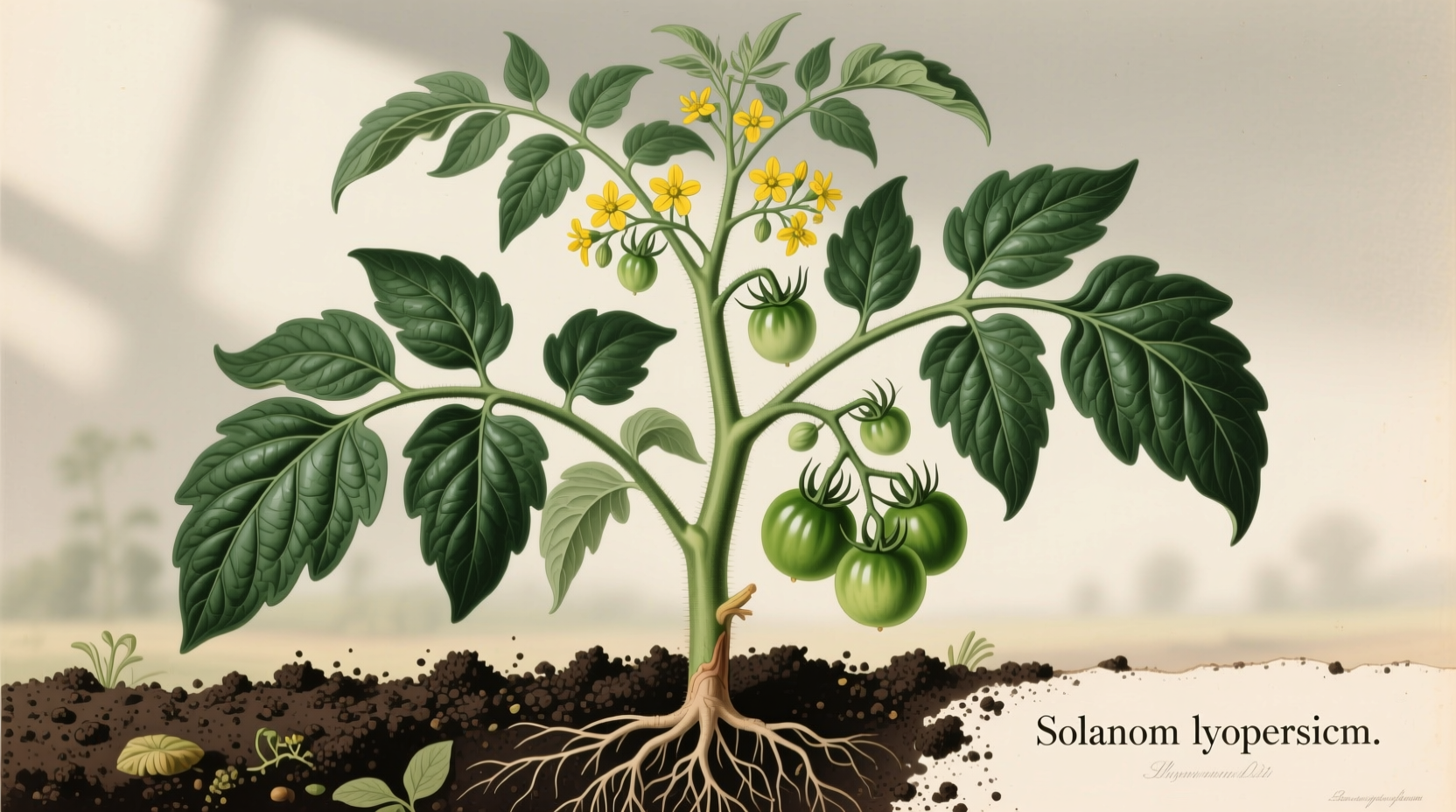
Essential Soil Amendments and What to Avoid
Not all soil additives benefit tomatoes. Cornell University Cooperative Extension research shows that certain amendments can actually harm tomato development (Cornell Tomato Growing Guide).
Recommended Amendments
- Compost: Provides slow-release nutrients and improves soil structure
- Worm castings: Enhances microbial activity (use 10-20% of soil volume)
- Wood ash: Raises pH if needed (use sparingly—1/4 cup per plant)
- Kelp meal: Provides trace minerals and boosts plant immunity
Amendments to Avoid
- Excessive nitrogen fertilizers (promotes leafy growth at expense of fruit)
- Fresh manure (can burn roots and introduce pathogens)
- Lime without pH testing (can create nutrient lockout)
- Peat moss as primary ingredient (acidifies soil and compacts over time)
Seasonal Soil Management
Maintaining healthy soil for tomato plants requires attention throughout the growing season:
Spring Preparation
Prepare soil 2-3 weeks before planting. Work amendments into the top 8-12 inches when soil is moist but not wet. Cold, wet soil worked too early becomes compacted.
Mid-Season Maintenance
- Apply 2-3 inches of organic mulch to conserve moisture
- Side-dress with compost tea when first fruits set
- Avoid disturbing soil around established plants
Fall Soil Care
After harvest, plant cover crops like winter rye or till in compost to rebuild soil structure. This practice, documented by the Sustainable Agriculture Research and Education program, improves soil health by 25-40% year over year (SARE Cover Crops Guide).
Troubleshooting Common Soil Problems
Recognizing and addressing soil issues early prevents tomato disasters:
Poor Drainage
Signs: Yellowing leaves, slow growth, water pooling after rain
Solution: Add 20-30% perlite or coarse sand; consider raised beds
Nutrient Deficiencies
Signs: Purple undersides (phosphorus), yellowing between veins (magnesium)
Solution: Targeted amendments based on soil test results
Compacted Soil
Signs: Water runoff, difficulty inserting trowel
Solution: Incorporate organic matter; avoid walking on planting areas
Organic vs. Conventional Soil Approaches
Both methods can produce excellent tomatoes when properly executed. Organic approaches focus on building soil biology through compost and cover crops, while conventional methods often rely on synthetic fertilizers. Research from the Rodale Institute shows comparable yields after 3-5 years of organic soil building, with significantly improved soil health metrics (Rodale Farming Systems Trial).
FAQ: Tomato Soil Questions Answered
How often should I test my tomato soil?
Test new garden beds before planting and every 2-3 years thereafter. Container gardens should be tested annually as nutrients deplete faster. University extension services recommend testing in fall to allow time for pH adjustments before spring planting.
Can I use regular garden soil for container tomatoes?
No, regular garden soil compacts in containers, restricting root growth and drainage. The best soil mix for container tomatoes contains 60% potting mix, 30% compost, and 10% perlite. This combination provides proper aeration while retaining adequate moisture for container environments.
What's the fastest way to improve poor tomato soil?
For immediate improvement, blend 3-4 inches of mature compost into the top 8 inches of soil. For persistent issues, follow soil test recommendations for specific amendments. Raised beds filled with a custom mix provide the quickest solution for severely compromised soil.
How much organic matter should tomato soil contain?
Ideal tomato soil contains 3-5% organic matter. Below 2% indicates poor soil structure and nutrient retention. University studies show that each 1% increase in organic matter enables soil to hold an additional 20,000 gallons of water per acre, crucial for consistent tomato production during dry periods.




 浙公网安备
33010002000092号
浙公网安备
33010002000092号 浙B2-20120091-4