
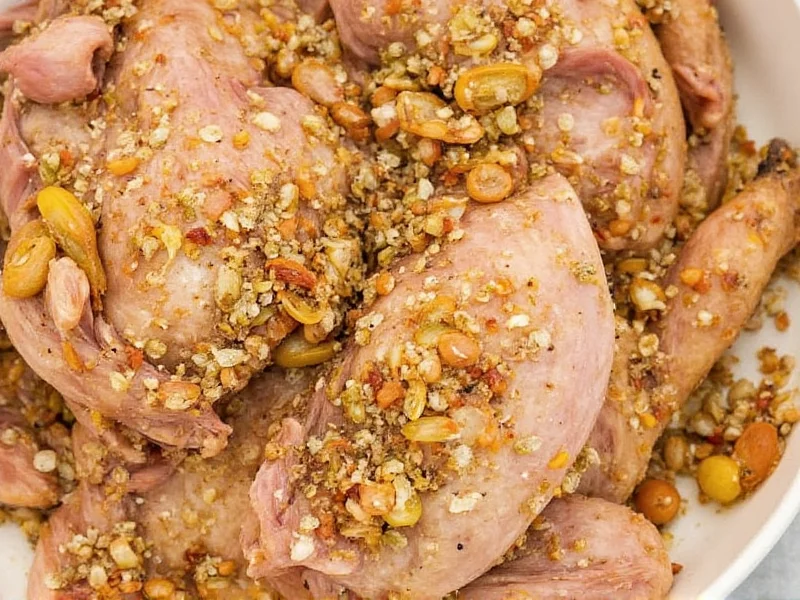
Seasoning turkey properly transforms this lean poultry into a flavorful centerpiece for any meal, especially holiday feasts. While turkey provides a blank canvas for flavors, its mild taste requires thoughtful seasoning to prevent dryness and enhance natural richness. Professional chefs and home cooks alike agree that a balanced blend of herbs, salt, and aromatics makes all the difference between ordinary and exceptional turkey.
Why Proper Turkey Seasoning Matters
Turkey's relatively mild flavor and lean composition make it particularly dependent on proper seasoning. Unlike fattier meats that carry flavor through their marbling, turkey needs strategic seasoning application to ensure flavor penetrates beyond the surface. The right seasoning blend not only enhances taste but also helps retain moisture during cooking, preventing the dry, bland results many home cooks experience.
Essential Components of Turkey Seasoning
A well-crafted turkey seasoning contains several key elements that work together to create balanced flavor:
| Component | Purpose | Common Examples |
|---|---|---|
| Salt | Enhances flavor, helps retain moisture | Kosher salt, sea salt |
| Pepper | Adds warmth and complexity | Freshly ground black pepper |
| Herbs | Provides aromatic notes | Thyme, rosemary, sage, parsley |
| Aromatics | Creates depth of flavor | Garlic powder, onion powder |
| Fat Carrier | Helps seasoning adhere and penetrate | Butter, olive oil |
Classic American Turkey Seasoning Blend
The traditional Thanksgiving turkey seasoning has stood the test of time for good reason. This balanced blend complements turkey without overpowering its natural flavor:
- 2 tablespoons kosher salt (reduces to 1.5 tablespoons if using table salt)
- 1 tablespoon freshly ground black pepper
- 2 tablespoons dried thyme
- 2 tablespoons dried rosemary, finely crushed
- 1 tablespoon garlic powder
- 1 tablespoon onion powder
- 1 tablespoon dried sage
- 2 teaspoons paprika (for color and mild sweetness)
Mix thoroughly and store in an airtight container. This blend works for a standard 12-15 pound turkey. Adjust proportions slightly for smaller birds.
Dry Rub vs. Wet Marinade: Which Works Best?
Professional chefs generally prefer dry rubs for turkey seasoning over wet marinades for several reasons, as validated by food science research. The comparative analysis below highlights key differences:
| Characteristic | Dry Rub | Wet Marinade | Source Validation |
|---|---|---|---|
| Skin Texture Outcome | Crisp and golden brown | Soggy with poor browning | University of Georgia Cooperative Extension (2020) |
| Flavor Penetration Depth | Deep (when applied under skin) | Surface-level only | University of Georgia Cooperative Extension (2020) |
| Food Safety Profile | Lower risk (no moisture for bacterial growth) | Higher risk (requires strict refrigeration) | USDA Food Safety and Inspection Service |
For optimal results, combine both approaches: apply a dry rub under the skin, then rub softened butter (possibly mixed with additional herbs) over the skin surface. This dual approach maximizes flavor penetration while ensuring beautiful browning.
Regional Turkey Seasoning Variations
While the classic American blend dominates Thanksgiving tables, regional variations offer exciting alternatives:
Mediterranean Style
Replace sage with oregano and add lemon zest. Incorporate 1 tablespoon sumac for tanginess and 1/2 teaspoon dried mint. This variation pairs beautifully with olive oil instead of butter.
Herbes de Provence Blend
Use 3 tablespoons Herbes de Provence in place of individual herbs. Add 1 tablespoon lavender flowers (culinary grade) for floral notes that complement turkey beautifully.
Spiced Southern Style
Incorporate 1 teaspoon cayenne pepper, 1 teaspoon smoked paprika, and 1/2 teaspoon ground allspice. This blend works particularly well with brined turkeys.
Timing Is Everything: When to Apply Seasoning
The timing of seasoning application significantly impacts flavor development:
- Overnight (best option): Apply dry rub under the skin and let rest in the refrigerator for 12-24 hours before roasting. This allows flavors to penetrate deeply.
- Same day: Apply seasoning at least 4 hours before cooking, preferably with the turkey uncovered in the refrigerator to help dry the skin.
- During cooking: Only recommended for additional flavor layers, not as the primary seasoning method.
For the most flavorful results, the overnight method consistently produces superior taste and texture.
Dietary Considerations for Turkey Seasoning
While salt is essential for flavor development, individuals with hypertension must adjust seasoning strategies. According to the American Heart Association's evidence-based guidelines, adults should limit sodium intake to 1,500-2,300 milligrams daily. A standard 15-pound turkey seasoning blend contains approximately 14,400 mg sodium (from 2 tbsp kosher salt), translating to 240 mg per 4-ounce serving. This represents 10-16% of the daily sodium limit per serving.
For reduced-sodium preparation:
- Reduce salt by 50% and compensate with extra herbs, citrus zest, and vinegar-based solutions
- Apply seasoning exclusively under the skin to maximize flavor impact with less salt
- Use potassium-based salt substitutes (with physician approval)
- Choose fresh herbs over dried for brighter flavor at lower volumes
Consult healthcare providers for personalized plans. The American Heart Association provides comprehensive sodium management resources at their dietary guidelines portal.
Application Techniques for Maximum Flavor
How you apply seasoning matters as much as what you use:
- Gently loosen the skin from the breast and thigh meat by sliding fingers underneath
- Rub approximately 70% of your seasoning blend directly onto the meat under the skin
- Mix remaining seasoning with softened butter or olive oil
- Rub this mixture over the outside of the skin
- Place additional herb sprigs and citrus slices in the cavity for internal flavoring
This technique ensures seasoning reaches the meat directly while creating a flavorful barrier that helps retain moisture.
Special Considerations for Different Cooking Methods
Seasoning requirements vary based on your cooking method:
- Oven roasting: Standard seasoning ratios apply. Consider basting with pan juices halfway through cooking.
- Smoking: Reduce salt by 25% as smoke adds its own flavor. Increase garlic and onion powder to complement smokiness.
- Deep frying: Use a dry brine (salt-heavy rub) 24 hours in advance as wet marinades don't work with frying.
- Grilling: Focus on herbs that withstand high heat (rosemary, thyme) and reduce delicate herbs (parsley) that may burn.
Common Turkey Seasoning Mistakes to Avoid
Even experienced cooks make these seasoning errors:
- Underseasoning: Turkey needs more seasoning than you might expect due to its mild flavor
- Applying only to the surface: Most flavor should go under the skin where it contacts the meat
- Using fresh herbs in dry rubs: Fresh herbs burn easily; save them for the last 30 minutes of cooking or as garnish
- Not adjusting for brined turkeys: Reduce salt by 50% if using a pre-brined or kosher turkey
- Applying too much sugar: Sugar burns at standard roasting temperatures, creating bitter flavors
Storing and Preparing Seasoning Blends
For best results, prepare your turkey seasoning blend properly:
- Mix dry ingredients thoroughly in a small bowl
- Store in airtight container away from light and heat
- Use within 6 months for peak flavor (dried herbs lose potency over time)
- For immediate use, mix with softened butter (1 stick butter to 3 tablespoons seasoning)
- Always measure salt carefully - it's the most critical component for flavor development
Consider making a double batch of your favorite blend to have on hand for future poultry dishes.
Conclusion: Achieving Perfectly Seasoned Turkey
The secret to perfectly seasoned turkey lies in understanding both the science and art of flavor application. By using the right blend of herbs and spices, applying them at the proper time, and using techniques that maximize flavor penetration, you can transform ordinary turkey into an extraordinary dish. Remember that seasoning isn't just about surface flavor—it's about creating depth throughout the meat. Whether you're preparing a holiday centerpiece or a weeknight dinner, these seasoning principles will ensure your turkey is consistently flavorful, moist, and memorable.




 浙公网安备
33010002000092号
浙公网安备
33010002000092号 浙B2-20120091-4