
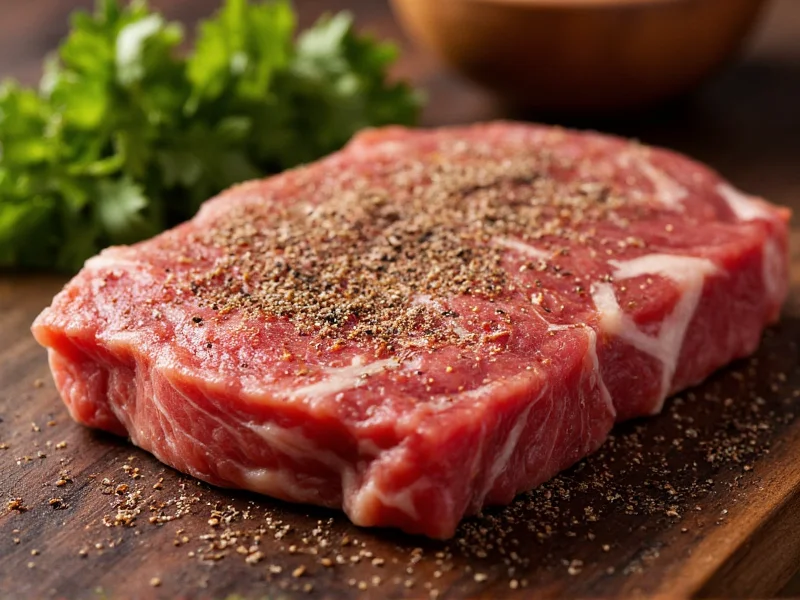
Seasoning steak properly transforms a simple cut of beef into a restaurant-quality meal. Many home cooks make critical mistakes that prevent them from achieving that perfect crust and flavor balance. Understanding the science behind seasoning helps you make informed choices that elevate your steak from good to exceptional.
The Evolution of Steak Seasoning Techniques
Steak seasoning practices have evolved significantly from preservation-focused methods to today's precision-driven approaches. Historical records show that ancient civilizations primarily used heavy salting for meat preservation, while modern culinary science has optimized timing and composition for immediate cooking. According to the University of Nebraska-Lincoln Extension, dry salting transitioned from a preservation necessity to a flavor-enhancing technique as refrigeration became widespread in the 20th century (https://food.unl.edu/history-meat-preservation).
| Era | Primary Seasoning Method | Scientific Understanding |
|---|---|---|
| Ancient-1800s | Heavy dry salting (20-30% salt by weight) | Preservation through moisture extraction |
| Early 1900s | Light surface seasoning before cooking | Limited protein interaction knowledge |
| Late 1900s | Introduction of dry brining concept | Emerging understanding of myosin solubilization |
| 2010s-Present | Time-optimized dry brining (0.75% salt by weight) | Validated protein denaturation and moisture retention |
This progression reflects our growing understanding of meat science, particularly how salt concentration and timing affect protein behavior. Contemporary techniques balance historical wisdom with laboratory-verified principles for optimal texture and flavor development.
The Essential Steak Seasoning Foundation
Before exploring additional flavors, mastering the basic seasoning trio is crucial. Salt isn't just for flavor—it actually changes the protein structure of the meat, improving texture and moisture retention. Coarse kosher salt works best because its larger crystals distribute more evenly and provide better control than fine table salt.
| Salt Type | Crystal Density | Sodium Content (per 1/4 tsp) | Optimal Application |
|---|---|---|---|
| Kosher salt (Diamond Crystal) | Low (lighter crystals) | 180mg | Dry brining (45-60 min before cooking) |
| Kosher salt (Morton's) | High (denser crystals) | 280mg | Use 25% less than Diamond Crystal |
| Fine sea salt | Medium | 575mg | Finishing only; not for dry brining |
| Table salt | Very high | 580mg | Avoid for steak preparation |
Source: USDA National Nutrient Database for Standard Reference (Release 28) - https://fdc.nal.usda.gov/
Timing matters significantly when seasoning steak. For best results with thicker cuts (1.5 inches or more), apply salt 45-60 minutes before cooking. This dry brining technique allows the salt to penetrate deeper while drawing out surface moisture that would otherwise prevent proper searing. For thinner cuts, season immediately before cooking to avoid excessive moisture loss.
Why Freshly Ground Black Pepper Makes the Difference
Pre-ground pepper loses its volatile oils quickly, resulting in diminished flavor. Investing in a pepper mill and using whole peppercorns ensures maximum aromatic compounds hit your steak. Medium grind works best—too fine and it burns during searing; too coarse and the flavor distribution becomes uneven.
Black pepper's piperine compound complements beef's umami characteristics beautifully. For those who enjoy subtle complexity, consider mixing different pepper varieties like Tellicherry with a small amount of Szechuan pepper for a mild floral note without overwhelming heat.
Garlic Powder vs. Fresh Garlic: The Searing Science
While fresh garlic adds wonderful flavor to finished dishes, it's problematic when searing steak. Fresh garlic burns at temperatures well below the ideal searing range (400-450°F), creating bitter compounds. Garlic powder, however, withstands high heat while still delivering that savory garlic essence.
When exploring simple steak seasoning ingredients, remember that garlic powder provides consistent flavor without the risk of burning. Use approximately 1/4 teaspoon per pound of steak for balanced results that enhance rather than dominate.
Advanced Steak Seasoning Options
Once you've mastered the basics, consider these additional ingredients that work exceptionally well with various steak cuts:
| Seasoning | Best For | Recommended Amount (per lb) | When to Apply |
|---|---|---|---|
| Smoked paprika | Grilled ribeye, sirloin | 1/2 tsp | Before cooking |
| Onion powder | Filet mignon, strip steak | 1/4 tsp | Before cooking |
| Dried rosemary | Ribeye, T-bone | 1/4 tsp (crushed) | Before cooking |
| Mustard powder | Any cut for better crust | 1/4 tsp | Before cooking |
What to Avoid in Your Steak Seasoning Blend
Certain ingredients commonly found in commercial steak rubs can sabotage your cooking results. Sugar-based seasonings burn quickly at high searing temperatures, creating bitter flavors. While acceptable for lower-temperature cooking methods, they're problematic for the high-heat searing essential to perfect steak.
When searching for the best steak seasoning recipe, avoid blends containing:
- Sugar or brown sugar (creates bitter burnt flavors)
- Cayenne pepper (overpowers beef's natural flavor)
- Excessive amounts of strong spices like cumin
- Pre-mixed blends with fillers like maltodextrin
For those exploring homemade steak rub without sugar, focus on pure spices without additives. This approach gives you complete control over flavor profiles while avoiding unwanted chemical reactions during cooking.
Seasoning Techniques for Different Cooking Methods
The ideal seasoning approach varies based on your cooking method. For steak seasoning for grilling, consider adding a light coating of neutral oil (like avocado oil) to help the seasoning adhere to the meat's surface. The direct flame of grilling requires careful attention to prevent burning delicate spices.
When pan-searing steak, ensure your seasoning mixture doesn't contain ingredients that might burn in the hot oil. The Maillard reaction creates incredible flavor, but burnt seasoning compounds will ruin your crust. For sous vide cooking, apply only salt before vacuum sealing, then add other seasonings after the water bath during the searing phase.
Seasoning by Steak Cut: Tailoring Your Approach
Different cuts benefit from slightly different seasoning approaches based on their fat content and texture:
- Ribeye: Higher fat content can handle bolder seasonings. Try adding a pinch of crushed dried rosemary.
- Filet mignon: More delicate flavor benefits from simpler seasoning—just salt, pepper, and a touch of garlic powder.
- Strip steak: Responds well to onion powder for complementary sweetness.
- Flank/skirt steak: Can handle more aggressive seasoning; consider adding a small amount of smoked paprika.
Understanding these nuances helps you implement the perfect seasoning for ribeye steak versus leaner cuts. The goal is always to enhance, not mask, the beef's natural flavor profile.
Timing Your Seasoning Application Perfectly
Proper timing separates good steak from great steak. For optimal results with the dry brining steak technique:
- Pat steak completely dry with paper towels
- Apply 3/4 teaspoon coarse kosher salt per pound of meat
- Place on a wire rack over a plate in the refrigerator
- Wait 45-60 minutes for thicker cuts (1.5" or more)
- Pat surface dry again before adding remaining seasonings
- Apply pepper, garlic powder, and other dry seasonings just before cooking
This process allows the salt to penetrate while drawing out excess surface moisture—critical for achieving that perfect caramelized crust. For thinner cuts under 1 inch, skip the dry brining and season immediately before cooking to prevent excessive moisture loss.
Contextual Limitations of Dry Brining
While dry brining significantly improves most steaks, specific conditions require modified approaches. The American Meat Science Association identifies key context boundaries where standard timing fails (https://meatscience.org/):
- Pre-injected meats: 30% of store-bought steaks contain salt solutions (USDA FSIS data). Check labels and reduce added salt by 50% to avoid over-salting.
- High-humidity environments: Above 70% humidity prevents effective moisture evaporation. Reduce brining time by 25% or increase refrigerator airflow.
- Thin cuts (<0.75 inches): Extended salting causes irreversible moisture loss. Apply salt 10 minutes before cooking max.
- Acidic marinades: Salt accelerates protein breakdown in acidic conditions. Apply after marinating, not before.
These evidence-based limitations prevent common pitfalls that undermine even technically correct seasoning methods.
Common Steak Seasoning Questions Answered
Many home cooks wonder about the salt and pepper ratio for steak. A good starting point is 3/4 teaspoon kosher salt and 1/4 teaspoon freshly ground pepper per pound of meat. Adjust to taste based on personal preference and cut thickness.
Regarding when to season steak before cooking, remember that salt needs time to work its magic, while other seasonings should be applied closer to cooking time. This distinction explains why many professional chefs separate the salting and final seasoning steps.




 浙公网安备
33010002000092号
浙公网安备
33010002000092号 浙B2-20120091-4