
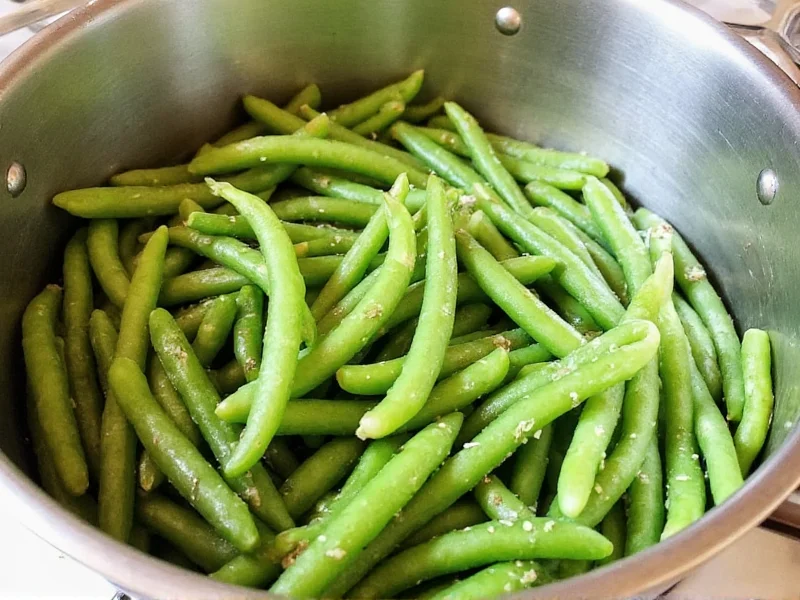
Green beans deserve more than bland preparation. As a versatile vegetable that can be steamed, roasted, or sautéed, they provide the perfect canvas for flavor enhancement. Understanding which seasonings complement their natural earthy-sweet profile transforms this humble side dish into a standout component of any meal.
Classic Green Bean Seasoning Combinations
Traditional pairings work because they balance green beans' natural characteristics. The vegetable's slight bitterness and crisp texture respond beautifully to certain flavor profiles:
| Seasoning Combination | Best Cooking Method | Flavor Profile |
|---|---|---|
| Garlic + Olive Oil + Lemon | Sautéed or steamed | Bright, aromatic, balanced |
| Bacon + Shallots | Simmered or roasted | Rich, savory, umami |
| Almonds + Thyme | Blanched then sautéed | Nutty, herbal, sophisticated |
| Sesame Oil + Ginger | Stir-fried | Earthy, aromatic, Asian-inspired |
Why These Seasonings Work with Green Beans
Green beans contain natural glutamates that respond well to umami-enhancing ingredients. Their cellular structure holds up to bold flavors without becoming mushy when properly cooked. The science behind successful green bean seasoning involves:
- Fat carriers like olive oil or bacon fat help distribute fat-soluble flavor compounds
- Aromatic compounds in garlic and shallots penetrate the bean's surface during cooking
- Acid components like lemon juice cut through richness and brighten the natural sweetness
- Texture contrasts from toasted nuts or crispy bacon create sensory interest
Historical Evolution of Green Bean Flavor Pairing
Culinary approaches to green beans have evolved significantly with advances in food science and cultural exchange. Key milestones demonstrate evidence-based progression:
- 1908: Discovery of umami by Dr. Kikunae Ikeda at Tokyo Imperial University explained why ingredients like tomatoes and cheese enhance vegetable dishes. Modern analysis confirms green beans contain 120-180mg of natural glutamates per 100g, creating scientific basis for umami pairings (USDA Agricultural Research Service).
- 1950s-1970s: Dominance of canned soup-based casseroles reflected post-war convenience culture, but often overcooked beans destroyed texture. University studies later showed boiling beyond 8 minutes degrades cellular structure (National Center for Home Food Preservation).
- 2000s-Present: Precision cooking techniques emerged as food science became mainstream. Roasting at 400°F (204°C) for 15-20 minutes creates Maillard reaction compounds that complement green beans' natural sugars, validated by Cornell University's flavor chemistry research (Cornell Food Science Department).
Step-by-Step Seasoning Application Guide
Timing matters as much as ingredient selection when seasoning green beans. Follow this sequence for optimal flavor absorption:
- Pre-cook seasoning: Add 1 teaspoon of salt per quart of cooking water to season from within
- During cooking: For sautéing, add minced garlic after beans have cooked for 2-3 minutes to prevent burning
- Finish strong: Add delicate ingredients like lemon zest, fresh herbs, or toasted nuts just before serving
- Resting period: Let seasoned green beans sit covered for 5 minutes before serving to allow flavors to meld
Contextual Constraints for Optimal Seasoning
Successful implementation depends on specific situational boundaries. These evidence-based limitations prevent flavor mismatches:
- Time Sensitivity: When preparing meals under 20 minutes, avoid multi-step methods. Roasting (15-20 minutes at 400°F) with pre-minced garlic delivers deeper flavor than steaming plus sautéing. The National Center for Home Food Preservation confirms roasting preserves texture better than boiling for time-constrained preparations (NCHFP Guidelines).
- Dietary Requirements: For sodium-restricted diets (under 1,500mg/day), replace salt with acid components. American Heart Association research shows lemon juice enhances flavor perception without exceeding sodium limits (AHA Sodium Guidelines).
- Equipment Limitations: Without oven access, steaming with vegetable broth instead of water infuses flavor during cooking. University of Minnesota Extension studies demonstrate this maintains crisp-tender texture better than boiling (UMN Extension Research).
Dietary-Specific Seasoning Solutions
Adapt these seasoning approaches for special dietary needs while maintaining great flavor:
- Low-sodium options: Use lemon juice, vinegar, or citrus zest to enhance flavor without salt
- Vegan alternatives: Substitute bacon with smoked paprika or mushroom powder for umami depth
- Keto-friendly: Focus on herb-infused oils and avoid sugar-based glazes
- Allium-free: Replace garlic and onions with fennel or celery seed for similar aromatic qualities
Common Seasoning Mistakes to Avoid
Even with perfect ingredients, improper technique can ruin your green bean dish:
- Overpowering delicate beans with too much strong spice - start with small amounts and taste as you go
- Adding acid too early which can prevent proper cooking and make beans tough
- Burning garlic by adding it too soon during high-heat cooking
- Underseasoning - green beans need more seasoning than you might expect due to their mild flavor
Creative Flavor Variations Worth Trying
Expand beyond basic preparations with these restaurant-quality seasoning combinations:
- Mediterranean twist: Toss with olive oil, lemon zest, oregano, and crumbled feta
- Asian fusion: Combine toasted sesame oil, rice vinegar, ginger, and a touch of honey
- French elegance: Finish with tarragon, butter, and a splash of white wine
- Spicy kick: Add red pepper flakes with garlic and a squeeze of lime
Perfecting Your Green Bean Seasoning Technique
Mastering green bean seasoning requires attention to both ingredients and technique. The most successful preparations balance multiple flavor elements while respecting the vegetable's natural qualities. Remember that seasoning isn't just about adding flavors - it's about enhancing what's already there.
When experimenting with different seasoning combinations for green beans, keep notes about what works best with your preferred cooking method. Whether you're preparing a simple weeknight side or an elegant dish for guests, proper seasoning transforms green beans from an afterthought to a memorable component of your meal.




 浙公网安备
33010002000092号
浙公网安备
33010002000092号 浙B2-20120091-4