
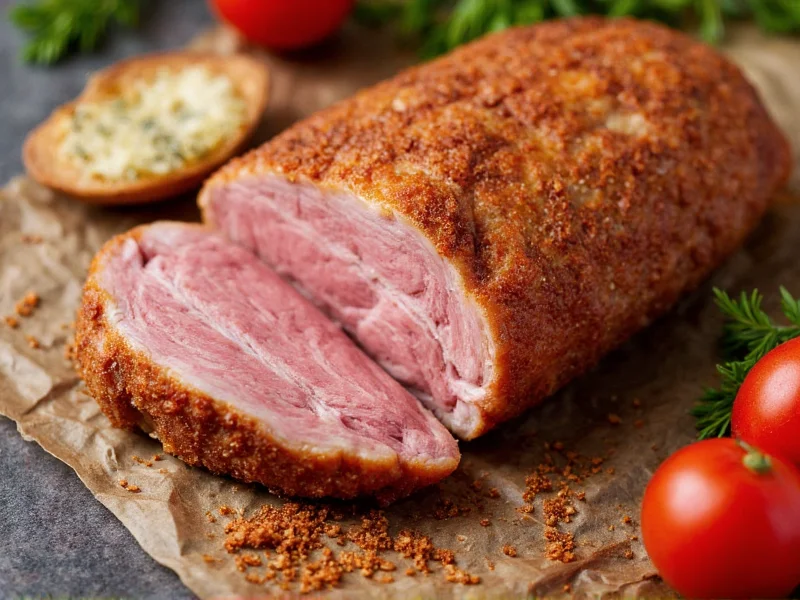
Seasoning pork properly transforms this versatile meat from bland to extraordinary. Unlike beef, pork has a mild flavor profile that readily absorbs and complements diverse seasoning combinations. The right blend enhances rather than overwhelms, creating a harmonious balance that elevates your cooking from ordinary to restaurant-quality.
Understanding Pork's Flavor Profile
Pork's neutral canvas makes it exceptionally responsive to seasoning. Its subtle sweetness pairs beautifully with both warm spices and bright acidic elements. Different cuts require tailored approaches—tougher, fattier cuts like shoulder benefit from robust seasonings that penetrate connective tissue, while leaner cuts like tenderloin need more delicate treatment to avoid overpowering their delicate flavor.
Essential Components of Perfect Pork Seasoning
Every successful pork seasoning blend contains these fundamental elements:
- Salt: The non-negotiable foundation that enhances natural flavors and improves texture
- Aromatics: Garlic, onion, or shallot powders that build flavor complexity
- Warm Spices: Paprika, cumin, or coriander that complement pork's natural sweetness
- Herbs: Rosemary, thyme, or sage that add earthy notes
- Sweet Element: Brown sugar, maple, or fruit components that caramelize beautifully
- Acid: Citrus zest or vinegar that brightens rich flavors
These components function through specific biochemical mechanisms verified by food science research:
| Component | Scientific Effect | Optimal Usage Guideline | Authoritative Source |
|---|---|---|---|
| Salt | Denatures meat proteins, improving moisture retention through osmotic pressure and enhancing flavor perception via sodium ion channels | 1 tsp per pound minimum; 45+ minutes surface application for dissolution and penetration | USDA FSIS |
| Brown Sugar | Undergoes Maillard reaction above 285°F (141°C) and caramelization at 320°F (160°C), but degrades to bitter compounds above 350°F (177°C) | Limited to 25% of dry rub weight; apply ≤2 hours before high-heat cooking | National Center for Home Food Preservation |
| Acid (Vinegar/Citrus) | Breaks down surface proteins but causes texture degradation through excessive protein denaturation beyond 4 hours | Marinate ≤4 hours for pork; always pat dry before cooking to prevent steaming | Oregon State University Extension |
| Garlic Powder | Allicin compounds provide flavor but degrade at temperatures >300°F (149°C), losing potency during prolonged cooking | Add during final cooking hour for smoked meats; use fresh garlic in raw applications | USDA Agricultural Research Service |
Optimal Seasoning Blends by Pork Cut
Not all pork cuts season equally. Tailoring your blend to the specific cut yields dramatically better results:
| Pork Cut | Recommended Seasoning Blend | Special Application Tips |
|---|---|---|
| Pork Chops | Salt, pepper, garlic powder, smoked paprika, touch of brown sugar | Rub into both sides 30 minutes before cooking; add lemon zest after cooking |
| Pork Tenderloin | Rosemary, thyme, garlic, onion powder, black pepper, minimal salt | Apply 15 minutes before roasting; finish with balsamic reduction |
| Pork Shoulder | Cumin, coriander, chili powder, garlic, onion, brown sugar, salt | Rub generously; refrigerate overnight for pulled pork applications |
| Pork Ribs | Brown sugar, paprika, cayenne, garlic powder, mustard powder, salt | Apply 2 hours before smoking; spritz with apple juice during cooking |
| Pork Loin | Sage, fennel seed, garlic, onion, black pepper, minimal sugar | Create paste with olive oil; inject additional seasoning into thicker sections |
Dry Rubs vs. Marinades: When to Use Each
Dry rubs work best for thicker cuts and smoking/grilling applications. They create a flavorful crust while allowing smoke penetration. For optimal results, use a 3:1 ratio of salt to other spices and apply at least 45 minutes before cooking—overnight for tougher cuts.
Marinades excel with leaner cuts like tenderloin or chops. Acidic components (citrus, vinegar, wine) help tenderize while infusing flavor. Limit marinating time to 2-4 hours for pork to prevent texture degradation from acid exposure. Always pat meat dry before cooking for proper searing.
Regional Pork Seasoning Traditions
Global culinary traditions offer proven pork seasoning frameworks worth exploring:
- American BBQ: Brown sugar, paprika, garlic, onion, cayenne, salt—perfect for ribs and shoulder
- Asian-Inspired: Five-spice powder, ginger, garlic, soy, sesame oil, touch of honey—ideal for quick-cooking cuts
- Mediterranean: Rosemary, thyme, garlic, lemon zest, olive oil, minimal salt—complements loin and chops
- Latin/Caribbean: Achiote, cumin, oregano, citrus, garlic—creates vibrant flavors for shoulder and ribs
These traditions evolved through distinct historical phases:
- Pre-1920s: Indigenous and early Southern traditions used minimal seasoning (salt, pepper, local herbs) with open-pit cooking
- 1920-1940s: Commercial spice availability introduced paprika and cayenne, establishing regional dry rub foundations
- 1950-1970s: Post-WWII backyard grilling popularized sugar-based Kansas City-style rubs
- 1980s-Present: Competition barbecue codified precise ratios through organizations like the Kansas City Barbeque Society
Documented in culinary archives including the North Carolina Encyclopedia's barbecue history.
Critical Timing Considerations
When you apply seasoning dramatically affects results. Salt needs time to penetrate—apply at least 45 minutes before cooking, or ideally 12-24 hours for larger cuts. Sugar-based rubs should go on no more than 2 hours before cooking to prevent premature caramelization and burning. For best results with dry rubs on thicker cuts, apply seasoning, refrigerate uncovered for 4-12 hours, then bring to room temperature before cooking.
Contextual Limitations: When Seasoning Rules Don't Apply
Standard seasoning guidelines require critical adjustments in specific cooking contexts. Ignoring these boundaries produces suboptimal results:
- High-Heat Cooking Failure: Sugar-based rubs exceeding 25% concentration burn at temperatures >350°F (177°C), generating bitter acrylamides. For grilling/broiling, reduce sugar to 10-15% and apply during final cooking stage (NCHFP)
- Acid Sensitivity in Thin Cuts: Lean cuts <1" thick (e.g., chops) develop mushy texture when marinated >2 hours in acidic solutions. Limit exposure to 30-60 minutes (OSU Extension)
- Herb Thermal Degradation: Dried herbs (rosemary/thyme) lose volatile compounds >300°F (149°C). For slow-smoked cuts, add 50% of herbs during final 2 hours
- Salt Penetration Limits: In cuts >2" thick (e.g., loin roast), surface salt cannot fully penetrate within 24 hours. Inject 70% of salt as brine solution (USDA FSIS)
Avoiding Common Pork Seasoning Mistakes
Even experienced cooks make these seasoning errors with pork:
- Under-salting: Pork requires more salt than many realize—1 teaspoon per pound is the minimum starting point
- Overusing sugar: Excessive sugar burns easily, creating bitter flavors rather than caramelization
- Mixing wet and dry components too early: Add liquid elements like oil or citrus juice no more than 30 minutes before cooking
- Seasoning only the surface: For thick cuts, gently score the surface to allow seasoning penetration
- Ignoring resting time: Let seasoned pork sit at room temperature for 30-60 minutes before cooking for even cooking
Building Your Signature Pork Seasoning
Create personalized blends by following this framework: start with 2 tablespoons salt per pound of pork, then add 1 tablespoon each of your primary flavor components (aromatics, warm spices), and 2 teaspoons each of supporting elements (herbs, sweet components). Taste a small cooked sample before applying to your entire cut. Remember that cooking intensifies flavors, so err on the side of slightly under-seasoning in your test.




 浙公网安备
33010002000092号
浙公网安备
33010002000092号 浙B2-20120091-4