
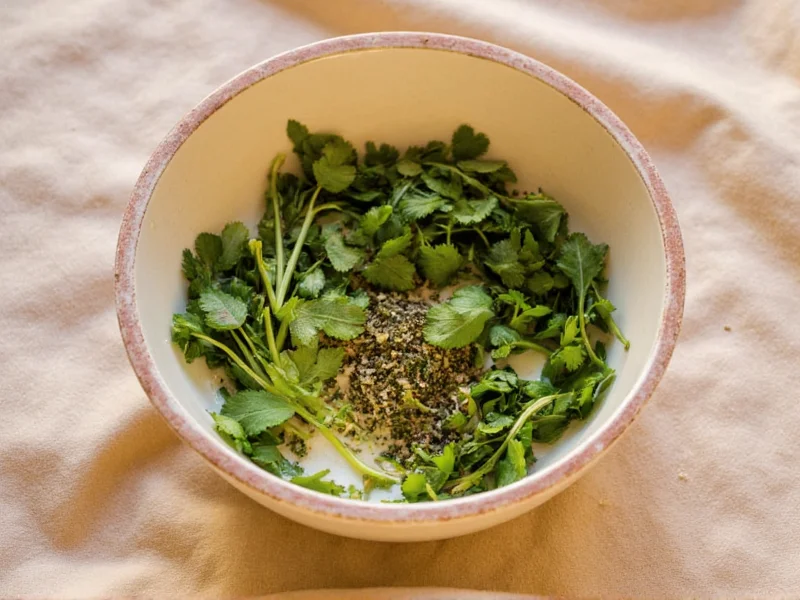
Creating a flavorful vegetable soup depends significantly on your herb selection and technique. The right herbs transform simple vegetables into a complex, satisfying dish that warms from within. Understanding herb characteristics, proper timing, and thoughtful combinations separates an ordinary soup from an extraordinary one.
Essential Herbs for Vegetable Soup
When crafting the perfect vegetable soup, certain herbs consistently deliver exceptional results. Each brings unique flavor compounds that interact beautifully with vegetables' natural sugars and textures.
Thyme: The Earthy Foundation
Thyme's subtle earthiness and slight minty undertones make it indispensable for vegetable soup. This hardy herb withstands long cooking times without losing its character, allowing its complex flavor to permeate the entire dish. French thyme works particularly well with root vegetables like carrots and potatoes, while lemon thyme brightens tomato-based vegetable soups. For dried thyme, use one-third the amount of fresh—typically 1 teaspoon dried equals 1 tablespoon fresh. Add early in the cooking process to maximize flavor extraction.
Rosemary: The Bold Companion
Rosemary's pine-like aroma and robust flavor stand up beautifully to hearty vegetables. It pairs exceptionally well with squash, beans, and potatoes in vegetable soup. Because rosemary can become bitter when overused, exercise restraint—start with just 1-2 sprigs for a standard pot of soup. Remove the woody stems before serving. When using dried rosemary, crush it between your fingers before adding to release essential oils. Add rosemary during the first 20 minutes of cooking to mellow its intensity while preserving its distinctive character.
Bay Leaves: The Secret Weapon
Often overlooked, bay leaves provide subtle complexity that elevates vegetable soup from good to exceptional. These leaves contain essential oils that develop rich, herbal notes during cooking. Use 1-2 dried bay leaves per pot of soup, adding them at the beginning of cooking. Remember to remove them before serving, as they remain stiff and unpleasant to eat. Bay leaves work particularly well with bean-based vegetable soups and tomato broths, creating a foundation that supports other herbs without overpowering them.
Parsley: The Fresh Finish
Fresh parsley provides a bright, clean finish that cuts through the richness of cooked vegetables. Unlike hardy herbs, parsley's delicate flavor diminishes with prolonged cooking, so add it in the last 5-10 minutes. Flat-leaf (Italian) parsley offers more robust flavor than curly parsley and works better in vegetable soup. For the best results, chop parsley finely and sprinkle generously over each bowl just before serving. This technique preserves its vibrant color and fresh flavor, providing a delightful contrast to the deep flavors developed during cooking.
| Herb | Best Vegetable Pairings | When to Add | Fresh to Dried Ratio |
|---|---|---|---|
| Thyme | Carrots, potatoes, mushrooms | First 30 minutes | 1 tbsp fresh = 1 tsp dried |
| Rosemary | Squash, beans, potatoes | First 20 minutes | 1 sprig fresh = 1/4 tsp dried |
| Bay Leaves | Beans, tomatoes, root vegetables | Beginning of cooking | 1 dried = 2 fresh |
| Parsley | All vegetables | Last 5-10 minutes | 1/4 cup fresh = 1 tbsp dried |
| Sage | Squash, beans, greens | Last 15 minutes | 8 leaves fresh = 1/2 tsp dried |
Advanced Herb Techniques for Vegetable Soup
Creating Herb Bouquets
Professional chefs often use herb bouquets to control flavor infusion and simplify removal. Tie thyme, rosemary, and bay leaves together with kitchen twine, or place them in a cheesecloth pouch. This technique prevents small herb pieces from scattering throughout your soup while allowing full flavor extraction. Remove the bouquet 10 minutes before serving to prevent over-extraction of bitter compounds.
Seasonal Herb Adjustments
Adapt your herb selection based on seasonal vegetables for optimal flavor harmony. In spring, emphasize delicate herbs like dill and chives with asparagus and peas. Summer vegetable soups featuring tomatoes and zucchini shine with basil and oregano. Fall and winter soups with root vegetables and squash benefit from heartier herbs like sage, thyme, and rosemary. This seasonal approach to best herbs for vegetable soup combinations ensures your soup always tastes perfectly balanced.
Avoiding Common Herb Mistakes
Many home cooks make critical errors when using herbs in vegetable soup. Overpowering delicate vegetables with too much rosemary or sage is common. Remember that herbs should complement, not dominate, your vegetables. Another frequent mistake is adding all herbs at the beginning—delicate herbs lose their character with prolonged cooking. Finally, using old, stale dried herbs significantly reduces flavor impact. Store dried herbs in airtight containers away from light, and replace them every 6-12 months for optimal results in your homemade vegetable soup herb selection.
Historical Evolution of Herb Usage in Vegetable Soups
Herb application in vegetable soups has evolved significantly through culinary history, reflecting changing agricultural practices and cultural exchanges. Ancient Greek and Roman cooks primarily used thyme and bay leaves for preservation in broths, as documented in Apicius' De Re Coquinaria (1st century CE). During the Middle Ages, monastic gardens standardized rosemary and sage usage for medicinal broths. The Renaissance introduced parsley and oregano through trade routes, while the Columbian Exchange brought New World vegetables that required new herb pairings. Modern understanding of volatile compounds (validated by USDA flavor chemistry research) now guides precise timing—hardy herbs like thyme benefit from early addition to extract thymol during slow simmering, whereas delicate herbs like dill must be added late to preserve uLocal compounds.
This progression from preservation necessity to flavor science is verified through historical culinary records. The Food Timeline, maintained by food historians at the Culinary Institute of America, confirms: "Medieval soup herbs focused on masking spoilage, while post-1900 techniques prioritize volatile oil preservation through controlled infusion timing."
Navigating Herb Usage Boundaries
Optimal herb application requires awareness of specific constraints that influence flavor outcomes and safety. These context-dependent factors prevent common pitfalls and ensure your soup remains both delicious and appropriate for diverse situations.
Health Interactions: Certain herbs may interact with medications. Sage contains thujone, which in excessive amounts could interfere with anticonvulsant drugs. The University of California Agriculture and Natural Resources advises limiting sage to 1-2 leaves per serving for individuals on such medications (UC ANR Publication 8288).
Culinary Limitations: Delicate herbs like dill rapidly degrade when simmered beyond 15 minutes, making them unsuitable for long-cooked broths. Conversely, robust herbs like rosemary can dominate light vegetable consommés; use no more than one sprig per quart to maintain balance. Acidic ingredients (like tomatoes) accelerate the breakdown of basil's volatile compounds, so add it late in cooking.
Preservation Considerations: When canning vegetable soup, fresh herbs introduce moisture that may compromise safety. The National Center for Home Food Preservation recommends using dried herbs at half the usual quantity added directly to jars before processing, as flavors concentrate during canning (NCHFP Guidelines).
Perfecting Your Vegetable Soup Herb Profile
Developing a nuanced herb profile requires understanding how different herbs interact. Start with a base of thyme and bay leaves, then layer additional herbs based on your vegetable selection. For Mediterranean vegetable soups, add oregano and basil. For earthier profiles, incorporate sage and rosemary. Always taste and adjust seasoning throughout the cooking process—herb flavors intensify as soup reduces.
Consider creating a vegetable soup herb paste by finely chopping fresh herbs and mixing with olive oil. Swirl this into finished soup just before serving for an intense flavor burst. This technique works particularly well with parsley, chives, and dill, providing both visual appeal and concentrated flavor.
Remember that salt and acid balance your herb flavors. A splash of vinegar or lemon juice at the end brightens herb notes, while proper salting enhances overall flavor perception. These finishing touches transform your vegetable soup with fresh herbs from simple to spectacular.




 浙公网安备
33010002000092号
浙公网安备
33010002000092号 浙B2-20120091-4