
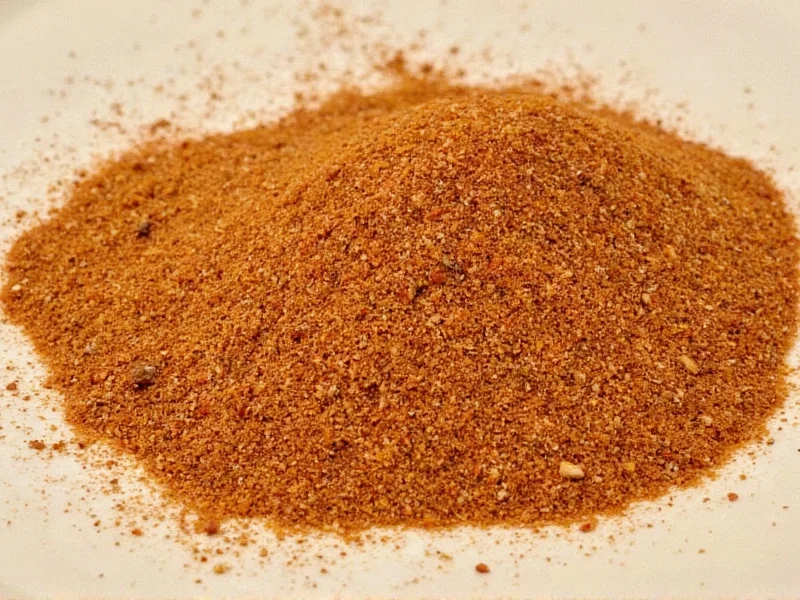
Understanding Chicken Seasoning Fundamentals
Creating exceptional chicken seasoning isn't just about throwing spices together—it's understanding flavor chemistry. Chicken has a relatively mild flavor profile that serves as a perfect canvas for seasoning. The ideal chicken seasoning blend achieves balance between saltiness, earthiness, sweetness, and heat. When seasoning chicken properly, you're not just adding flavor to the surface; you're creating a flavor foundation that penetrates the meat during cooking.
Essential Components of Effective Chicken Seasoning
Every successful homemade chicken seasoning recipe contains these key elements:
- Salt - The flavor enhancer that helps other ingredients shine
- Aromatics - Garlic powder, onion powder, shallot powder
- Color and Mild Sweetness - Paprika (sweet or smoked)
- Pepper - Black pepper for subtle heat
- Dried Herbs - Thyme, rosemary, oregano, or sage
- Optional Boosters - Citrus zest, cayenne, mustard powder
Professional chefs emphasize that the ratio matters more than the specific ingredients. A standard dry rub ratio follows the 4-2-1 principle: 4 parts salt, 2 parts sugar (optional), and 1 part spices. This creates balanced seasoning for chicken that enhances rather than overwhelms.
| Seasoning Blend | Key Ingredients | Best For | Prep Time |
|---|---|---|---|
| All-Purpose Dry Rub | Salt, pepper, garlic powder, onion powder, paprika | Baking, roasting, grilling | 5 minutes |
| Lemon-Herb Blend | Lemon zest, thyme, rosemary, garlic, salt | Baked chicken, pan-seared breasts | 7 minutes |
| Smoky Paprika Blend | Smoked paprika, cumin, garlic, onion, oregano | Grilling, BBQ, sheet pan meals | 5 minutes |
| Spicy Cajun Blend | Paprika, cayenne, garlic, onion, thyme, oregano | Blackened chicken, skillet cooking | 6 minutes |
| Mediterranean Blend | Oregano, thyme, garlic, lemon zest, sumac | Grilled chicken, kebabs, roasted thighs | 7 minutes |
Five Proven Chicken Seasoning Recipes
All-Purpose Dry Rub for Chicken
This versatile blend works for any cooking method and forms the foundation for many homemade chicken seasoning recipes. Combine 2 tablespoons kosher salt, 1 tablespoon black pepper, 1 tablespoon garlic powder, 1 tablespoon onion powder, and 1 tablespoon paprika. For extra depth, add 1 teaspoon dried thyme. Store in an airtight container for up to 3 months.
Lemon-Herb Chicken Seasoning
Perfect for lighter dishes, this blend features 2 tablespoons dried thyme, 1 tablespoon dried rosemary, 1 tablespoon lemon zest (dried), 1 tablespoon garlic powder, and 2 tablespoons salt. The citrus element brightens the chicken without making it taste sour. Apply generously to chicken breasts before pan-searing for restaurant-quality results at home.
Smoky Paprika Chicken Rub
For grilled chicken seasoning that delivers complex flavor, mix 2 tablespoons smoked paprika, 1 tablespoon garlic powder, 1 tablespoon onion powder, 1 teaspoon cumin, 1 teaspoon dried oregano, and 2 tablespoons salt. The smoked paprika provides depth that regular paprika can't match. This blend particularly shines on chicken thighs and drumsticks.
Proper Seasoning Application Techniques
Knowing how to season chicken properly makes all the difference between good and great results. Always start with dry chicken—pat it thoroughly with paper towels before applying seasoning. For best results with dry rubs, apply seasoning at least 30 minutes before cooking, or ideally, refrigerate uncovered for 2-4 hours. This allows the salt to penetrate and the flavors to meld.
When using wet marinades, include acid (like lemon juice or vinegar) to help the flavors penetrate, but don't marinate for more than 2 hours as the acid can start to 'cook' the chicken and change its texture. For quick meals, you can apply dry seasoning just before cooking, but the flavor won't be as deeply integrated.
Adjusting Seasoning for Different Cooking Methods
The best chicken seasoning varies slightly depending on how you're cooking:
- Grilling - Use bolder flavors with more paprika and less delicate herbs that might burn
- Baking - Include more herbs that benefit from slow cooking like rosemary and thyme
- Pan-searing - Focus on quick-cooking seasonings with garlic and onion powder
- Slow cooking - Increase herb quantities as some flavor dissipates during long cooking
For chicken breast seasoning specifically, be generous with the salt—chicken breast is lean and benefits from proper salting to prevent dryness. A simple chicken seasoning for breast shouldn't overwhelm the mild flavor but should enhance it.
Avoiding Common Seasoning Mistakes
Even with the best chicken seasoning recipe, mistakes can ruin your dish:
- Seasoning too late - Applying seasoning right before cooking only flavors the surface
- Using old spices - Dried herbs and spices lose potency after 6-12 months
- Overcomplicating - Too many ingredients creates flavor confusion
- Under-salting - Chicken needs more salt than you might think
- Not adjusting for cooking method - What works for grilling may burn when baking
For those seeking healthy chicken seasoning options, focus on maximizing flavor with herbs and spices rather than salt. Try increasing garlic, onion, citrus zest, and aromatic spices like cumin or coriander to compensate for reduced sodium.
Storing Homemade Seasoning Blends
Proper storage maintains your chicken seasoning's potency. Keep blends in airtight containers away from light, heat, and moisture. Glass jars with tight-fitting lids work best. Most homemade seasoning blends retain optimal flavor for 3-6 months. Label containers with the date made. For longer storage, freeze blends in small portions—frozen seasoning maintains quality for up to a year.
Creating Your Own Signature Blend
Once you understand the fundamentals of chicken seasoning, experiment to create your signature blend. Start with the basic ratio (4 parts salt, 2 parts aromatics, 1 part specialty spices), then adjust to your taste. Want more heat? Add cayenne gradually. Prefer earthier flavors? Increase thyme or rosemary. For a sweet element, add a small amount of brown sugar (ideal for BBQ applications).
Document your experiments—note what works and what doesn't. The perfect chicken seasoning is ultimately the one that matches your personal taste preferences while enhancing the natural flavor of the chicken.
Evolution of Chicken Seasoning Practices
Chicken seasoning techniques have evolved through distinct historical phases, as documented by culinary historians at the Encyclopedia Britannica. This progression reflects global trade developments and scientific understanding:
- Ancient Era (Pre-1500s): Regional herb usage dominated (Mediterranean rosemary, Asian ginger) with salt as primary preservative
- Age of Exploration (1500s-1700s): Columbian Exchange introduced paprika to Europe, becoming foundational in Hungarian and Spanish chicken preparations
- Industrial Revolution (1800s): Commercial spice grinding (pioneered by McCormick & Co.) enabled consistent flavor profiles
- Modern Era (1950s-Present): Flavor chemistry research established optimal ratios like the 4-2-1 salt-sugar-spice principle
This timeline demonstrates how evidence-based practices replaced regional traditions through centuries of culinary refinement.
Contextual Limitations of Chicken Seasoning
Understanding where seasoning techniques fail is critical for optimal results. Authoritative sources identify these evidence-based constraints:
- Acidic Marinade Duration: Must not exceed 2 hours under refrigeration due to protein denaturation risks. Longer exposure degrades texture as confirmed by USDA Food Safety guidelines
- Sodium-Restricted Diets: Salt-free blends require umami compensation (dried mushrooms, nutritional yeast) to maintain palatability for medically supervised diets under 1,500mg sodium daily, per NIH recommendations
- High-Heat Cooking Boundaries: Sugar-containing rubs (common in BBQ blends) burn above 350°F (177°C), creating bitter compounds. This thermal limit is documented in USDA's Grilling Safety guidelines
Respecting these evidence-based boundaries prevents culinary failures while ensuring food safety compliance.




 浙公网安备
33010002000092号
浙公网安备
33010002000092号 浙B2-20120091-4