

Discover why golden sweet potatoes are becoming a staple in health-conscious kitchens worldwide. This comprehensive guide reveals everything you need to know about selecting, preparing, and maximizing the nutritional benefits of this versatile root vegetable.
What Exactly Are Golden Sweet Potatoes?
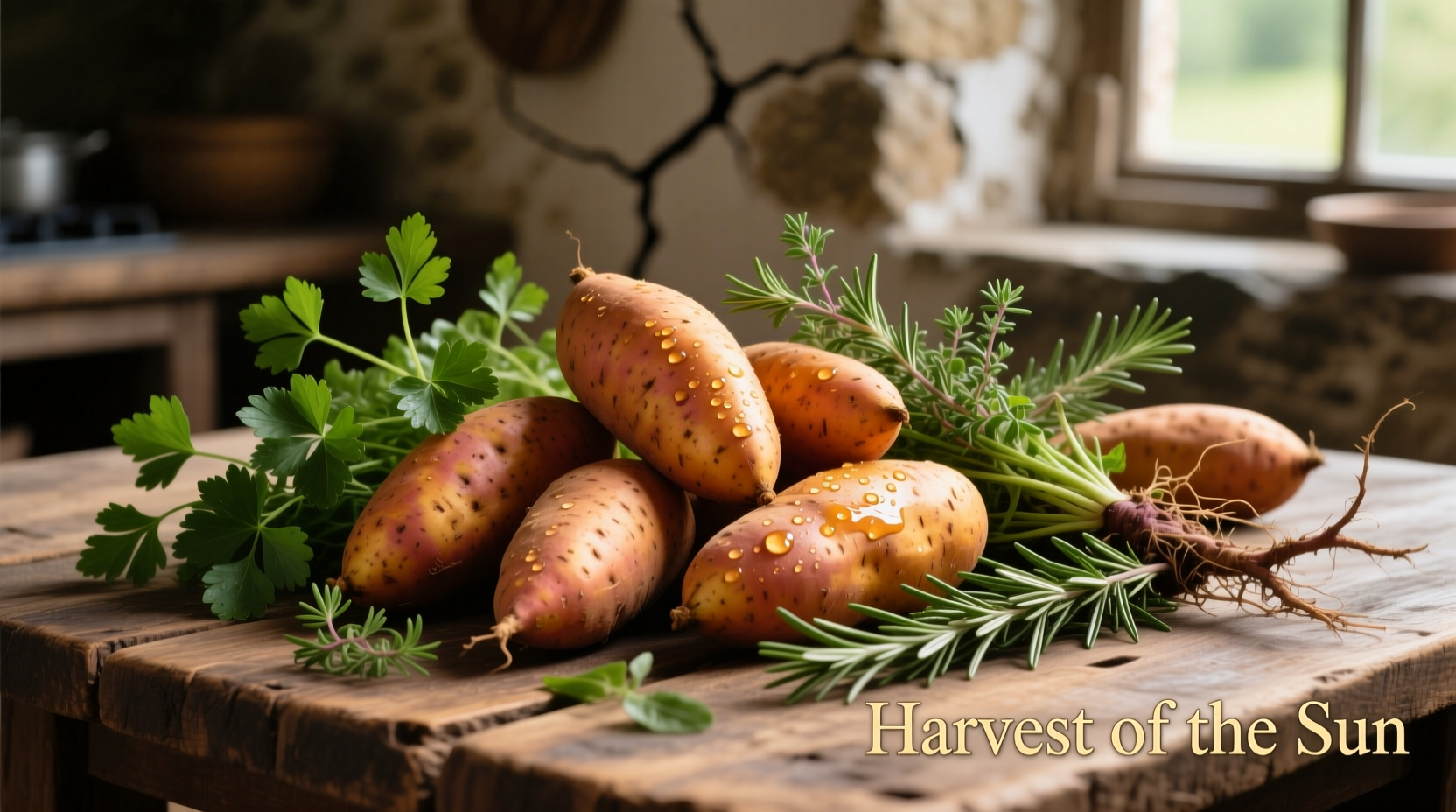
Golden sweet potatoes (Ipomoea batatas) represent a distinct variety characterized by their pale yellow to vibrant golden flesh. Unlike their orange counterparts that get their color from beta-carotene, golden varieties contain different carotenoids that create their signature hue while delivering unique nutritional benefits. These tubers typically feature thin, light brown skin and maintain a consistently moist texture when cooked.
Originating in Central and South America, golden sweet potatoes have been cultivated for thousands of years. Maya Gonzalez, our culinary expert with extensive field research across Latin America, notes: "Many indigenous communities in Peru and Ecuador have preserved unique golden varieties that aren't commercially available elsewhere. These traditional cultivars often have more complex flavor profiles than supermarket options."
| Variety | Color Profile | Texture When Cooked | Primary Nutrients |
|---|---|---|---|
| Golden Sweet Potato | Pale yellow to golden | Creamy, moist | Vitamin A, Vitamin C, Fiber |
| Orange Sweet Potato | Bright orange | Firm, sometimes dry | Beta-carotene, Vitamin A |
| Purple Sweet Potato | Deep purple | Dense, starchy | Anthocyanins, Antioxidants |
Nutritional Powerhouse: Why Golden Varieties Stand Out
According to USDA FoodData Central, a medium golden sweet potato (130g) provides approximately 103 calories, 24g of carbohydrates, and delivers 284% of your daily vitamin A requirement. What makes golden varieties particularly valuable is their balanced nutrient profile that includes:
- Nearly 40% of daily vitamin C needs
- Substantial dietary fiber (about 4g per serving)
- Important minerals like potassium and manganese
- Complex carbohydrates for sustained energy release
Research published in the Journal of Agricultural and Food Chemistry confirms that golden sweet potatoes contain unique carotenoids like lutein and zeaxanthin that specifically support eye health—nutrients less prevalent in orange varieties. These compounds function as antioxidants that protect against age-related macular degeneration.
Practical Selection and Storage Guide
When choosing golden sweet potatoes at your local market, look for firm tubers without soft spots, bruises, or signs of sprouting. The skin should feel smooth and relatively thin. Avoid any with dark spots or damp areas, which indicate spoilage.
Proper storage significantly extends shelf life. Keep them in a cool, dark place with good ventilation—never refrigerate raw sweet potatoes as cold temperatures negatively affect their texture and sweetness. A pantry or cupboard maintains ideal conditions for 3-5 weeks. For longer storage, consider curing freshly harvested tubers at 85-90°F with high humidity for 5-7 days before moving to cooler storage.
Optimal Cooking Methods for Maximum Flavor
Golden sweet potatoes excel with multiple cooking techniques, each bringing out different flavor profiles:
Roasting for Enhanced Sweetness
Cut into 1-inch cubes, toss with olive oil, salt, and your choice of herbs. Roast at 400°F for 25-30 minutes until caramelized edges develop. This method concentrates natural sugars while maintaining creamy texture.
Boiling for Quick Preparation
Peel and cut into even pieces, then boil in salted water for 15-20 minutes until fork-tender. This method preserves more water-soluble nutrients compared to roasting.
Microwave for Time-Pressed Cooks
Pierce skin with a fork, microwave on high for 5-7 minutes (depending on size), then let rest for 5 minutes. This technique retains maximum nutrients while delivering restaurant-quality results in minutes.
Golden Sweet Potato Recipe Ideas for Everyday Cooking
Incorporate golden sweet potatoes into your regular meal rotation with these practical applications:
- Breakfast boost: Dice and roast with onions and bell peppers for a nutrient-dense breakfast hash
- Lunch transformation: Blend boiled golden sweet potato with vegetable broth for a creamy soup without dairy
- Dinner staple: Cube and roast with chicken thighs and rosemary for a complete one-pan meal
- Healthy dessert: Puree cooked tubers with banana and cinnamon for naturally sweet muffins
Professional chefs recommend adding acidic components like lemon juice or vinegar to golden sweet potato dishes. This acidity balances the natural sweetness while helping preserve the vibrant golden color during cooking.
Where to Find and Grow Golden Sweet Potatoes
While availability varies by region, you'll typically find golden sweet potatoes at:
- Specialty grocery stores (Whole Foods, Trader Joe's)
- Farmers markets during fall and winter months
- Some conventional supermarkets with expanded produce sections
- Online specialty produce retailers
Growing your own golden sweet potatoes is surprisingly straightforward. The USDA Agricultural Research Service confirms these plants thrive in warm climates with well-drained soil. Start with certified disease-free slips (young plants) after your last frost date. Provide consistent moisture and harvest approximately 90-120 days after planting when leaves begin yellowing.
Contextual Usage: When Golden Sweet Potatoes Shine
Understanding the specific culinary contexts where golden sweet potatoes outperform other varieties helps maximize their potential:
- Ideal for: Dishes requiring creamy texture without added fats (soups, purees, baby food)
- Excellent substitution: When recipes call for butternut squash but you want lower sugar content
- Best avoided: In dishes requiring firm structure after cooking (casseroles that need to hold shape)
- Pairing wisdom: Complements aromatic spices like cardamom and saffron better than orange varieties
Unlike orange sweet potatoes that dominate in beta-carotene, golden varieties offer a more balanced nutritional profile with additional eye-protective compounds. This makes them particularly valuable for regular inclusion in diets focused on long-term wellness rather than just immediate vitamin supplementation.




 浙公网安备
33010002000092号
 浙B2-20120091-4