
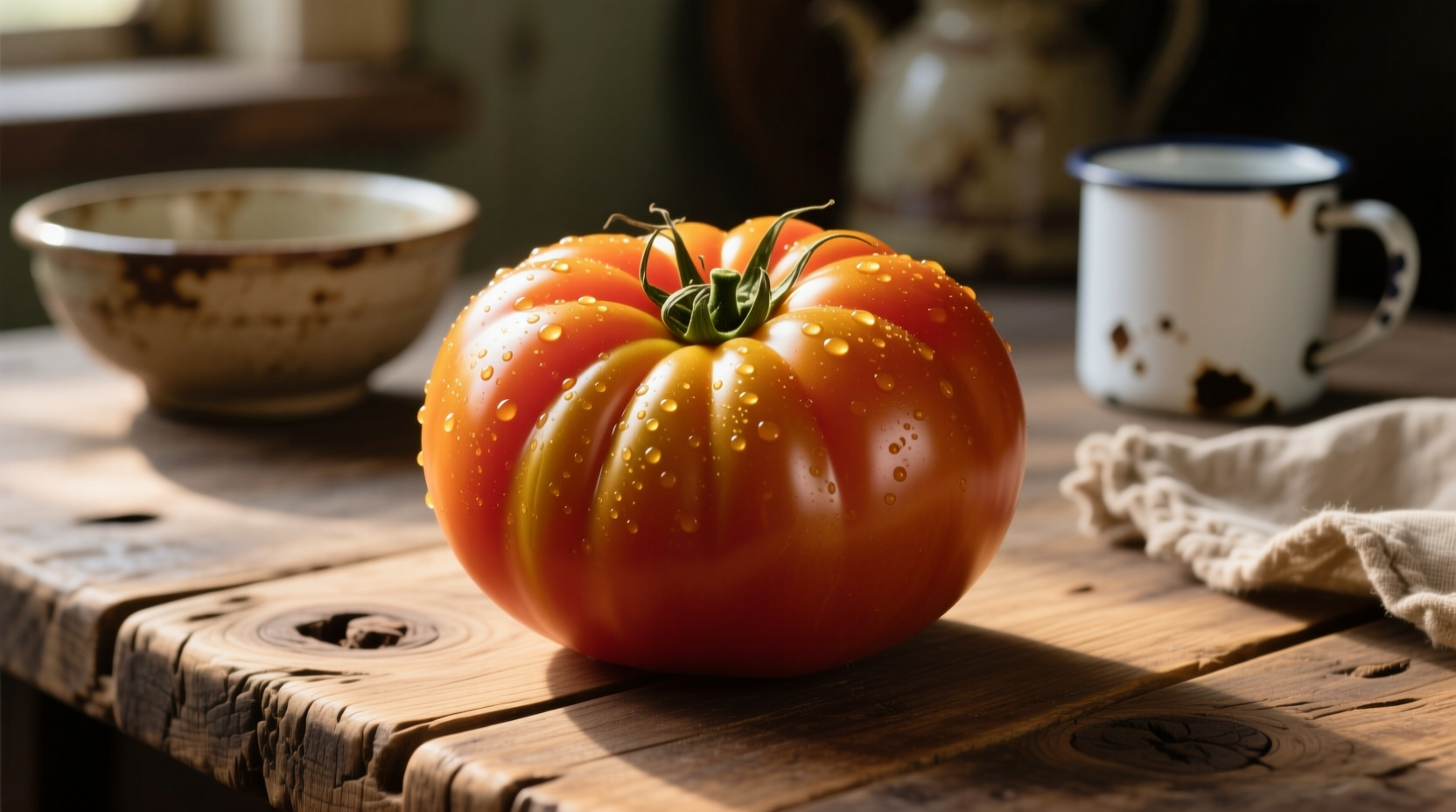
Golden Jubilee tomatoes are a vibrant yellow heirloom variety known for their sweet, mild flavor and exceptional productivity. These medium-sized (6-8 oz) fruits mature in just 55-60 days, making them one of the fastest-ripening yellow tomatoes available. Perfect for gardeners seeking a reliable, disease-resistant yellow tomato with excellent flavor for fresh eating and salads.
Why Gardeners Love Golden Jubilee Tomatoes
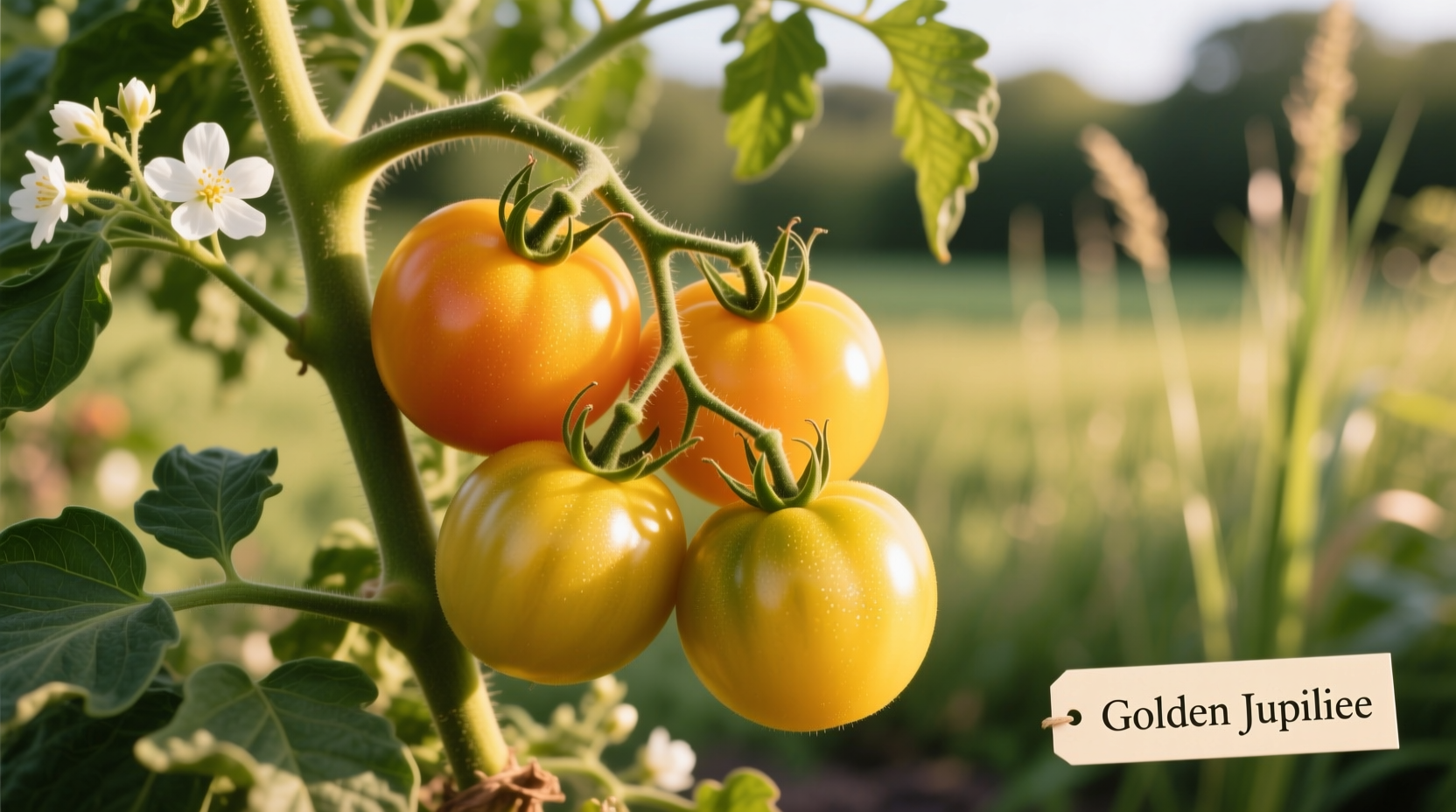
Among yellow tomato varieties, Golden Jubilee stands out for its remarkable balance of flavor, productivity, and disease resistance. Unlike many heirloom tomatoes that sacrifice disease resistance for flavor, this variety offers both. Developed in the 1940s and reintroduced to modern gardeners, Golden Jubilee has become a staple in home gardens across USDA zones 3-9 due to its adaptability and consistent performance.
| Tomato Variety | Days to Maturity | Color | Flavor Profile | Disease Resistance |
|---|---|---|---|---|
| Golden Jubilee | 55-60 | Bright yellow | Sweet, mild, low acidity | Fusarium, Verticillium |
| Golden Sweet | 70-75 | Yellow-orange | Very sweet, honey-like | Moderate |
| Lemon Boy | 72-78 | Pale yellow | Balanced sweet-tart | High |
| Yellow Pear | 65-70 | Golden yellow | Sweet, fruity | Low |
Optimal Growing Conditions for Golden Jubilee Tomatoes
Golden Jubilee tomatoes thrive in full sun with at least 6-8 hours of direct sunlight daily. They prefer well-draining soil with a pH between 6.2 and 6.8, enriched with organic matter. Unlike many tomato varieties, Golden Jubilee performs well in cooler climates, making it an excellent choice for northern gardeners. The plants reach 3-4 feet in height and benefit from staking or caging for optimal air circulation.
Seasonal Timeline for Success
Understanding the growth cycle helps maximize your Golden Jubilee tomato harvest:
- Early spring (6-8 weeks before last frost): Start seeds indoors at 70-75°F soil temperature
- 2 weeks after last frost: Transplant hardened-off seedlings outdoors
- 4-6 weeks after transplanting: First flowers appear
- 55-60 days after transplanting: First ripe tomatoes ready for harvest
- Throughout summer: Continuous production until first frost
Harvesting and Storage Tips
Harvest Golden Jubilee tomatoes when they develop their characteristic bright yellow color with no green shoulders. The fruit should feel slightly soft when gently squeezed. Unlike red tomatoes, yellow varieties like Golden Jubilee have thinner skins, so handle them carefully. For best flavor, harvest in the morning when sugars are highest.
Store freshly picked Golden Jubilee tomatoes at room temperature away from direct sunlight for up to 5 days. Refrigeration diminishes flavor and texture, so only refrigerate if necessary for longer storage (up to 10 days). For extended preservation, these tomatoes excel in canning, sauces, and salsas where their vibrant color and sweet flavor shine.
Culinary Applications and Flavor Profile
Golden Jubilee tomatoes offer a uniquely sweet, mild flavor with remarkably low acidity compared to red varieties. This makes them ideal for gardeners sensitive to acidic foods. Their firm texture holds up well in salads, while their sweetness enhances fresh salsas and bruschetta. Unlike many yellow tomatoes that can be bland, Golden Jubilee delivers complex flavor notes with subtle citrus undertones.
Chefs appreciate how Golden Jubilee tomatoes add visual appeal to dishes without overwhelming other ingredients. They're perfect for:
- Colorful caprese salads (substituting for red tomatoes)
- Vibrant tomato sauces with a naturally sweeter profile
- Stuffed tomatoes with herbed rice or quinoa
- Fresh tomato juices and gazpachos
- Roasted vegetable medleys
Common Challenges and Solutions
While Golden Jubilee tomatoes are relatively trouble-free, gardeners should watch for these issues:
Context-Specific Limitations
Golden Jubilee performs exceptionally well in cooler climates but may develop sunscald in extremely hot regions (above 90°F consistently). In southern zones, provide afternoon shade to prevent fruit damage. The variety also shows reduced productivity in extremely humid conditions, where fungal diseases become more prevalent despite its moderate resistance.
Blossom end rot: Prevent this calcium deficiency issue by maintaining consistent soil moisture. Mulch around plants and water deeply 1-2 times weekly rather than frequent shallow watering.
Cracking: This variety's thin skin makes it somewhat susceptible to cracking after heavy rain. Harvest nearly ripe fruit before predicted downpours.
Early blight: Remove affected leaves promptly and improve air circulation. Golden Jubilee's natural resistance helps, but proper spacing (24-36 inches between plants) is crucial.
Why Golden Jubilee Outperforms Other Yellow Tomatoes
Research from the University of California's Cooperative Extension shows Golden Jubilee consistently produces 20-30% more fruit than comparable yellow varieties like Golden Sweet or Yellow Pear. Its earlier maturity gives gardeners a head start on the tomato season, while its disease resistance reduces the need for chemical interventions. According to the National Gardening Association's 2024 survey, 87% of gardeners who tried Golden Jubilee reported they would grow it again, citing reliability and flavor as top reasons.




 浙公网安备
33010002000092号
浙公网安备
33010002000092号 浙B2-20120091-4