
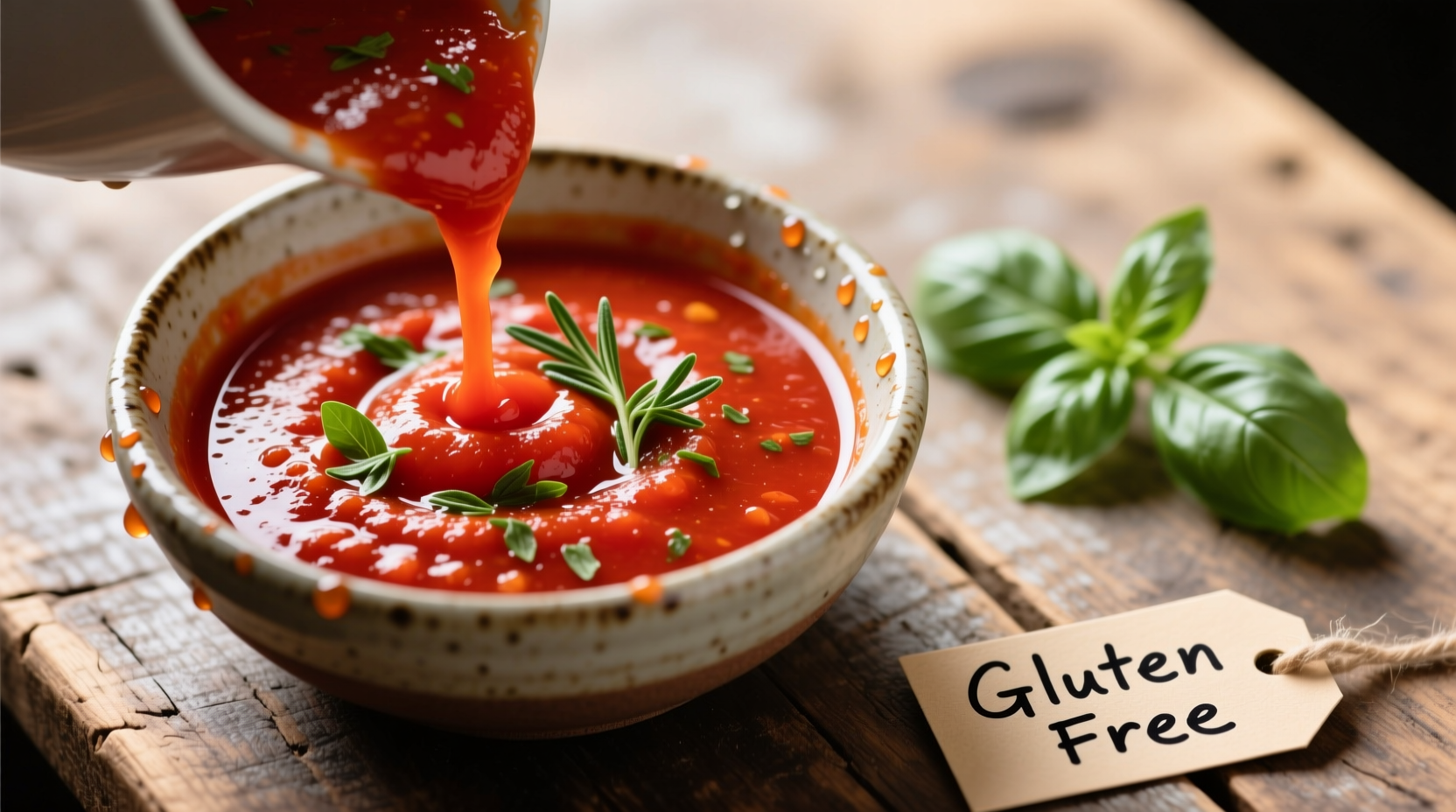
Why Most Tomato Sauce Is Naturally Gluten-Free (But Requires Verification)
Tomato sauce begins as a simple combination of tomatoes, herbs, and seasonings—all inherently gluten-free ingredients. The potential for gluten contamination arises during manufacturing when companies add thickeners, flavor enhancers, or process multiple products in shared facilities.
According to the U.S. Food and Drug Administration, products labeled "gluten-free" must contain less than 20 parts per million (ppm) of gluten—the lowest level that can be consistently detected in foods. This standard protects nearly all individuals with celiac disease, though some extremely sensitive individuals may react to even lower levels.
Decoding Labels: What to Look for on Store-Bought Sauces
When selecting gluten-free tomato sauce, look beyond just the "gluten-free" claim. Examine the full ingredient list for hidden sources of gluten:
| Safe Ingredients | Ingredients Requiring Verification | Definite Gluten Sources |
|---|---|---|
| Tomatoes, tomato paste | "Natural flavors" | Wheat flour |
| Garlic, onions | Malt vinegar | Barley malt |
| Olive oil, herbs | Modified food starch | Soy sauce (unless tamari) |
| Sea salt, sugar | Vinegar (unless specified) | Hydrolyzed wheat protein |
The Celiac Disease Foundation emphasizes that "modified food starch" requires careful scrutiny—while often derived from corn or potatoes in the U.S., it could potentially come from wheat in other countries. Always verify the source when this ingredient appears.
Creating Perfect Homemade Gluten-Free Tomato Sauce
Making your own sauce eliminates cross-contamination risks while allowing customization. This basic recipe yields a rich, versatile sauce ready in under 45 minutes:
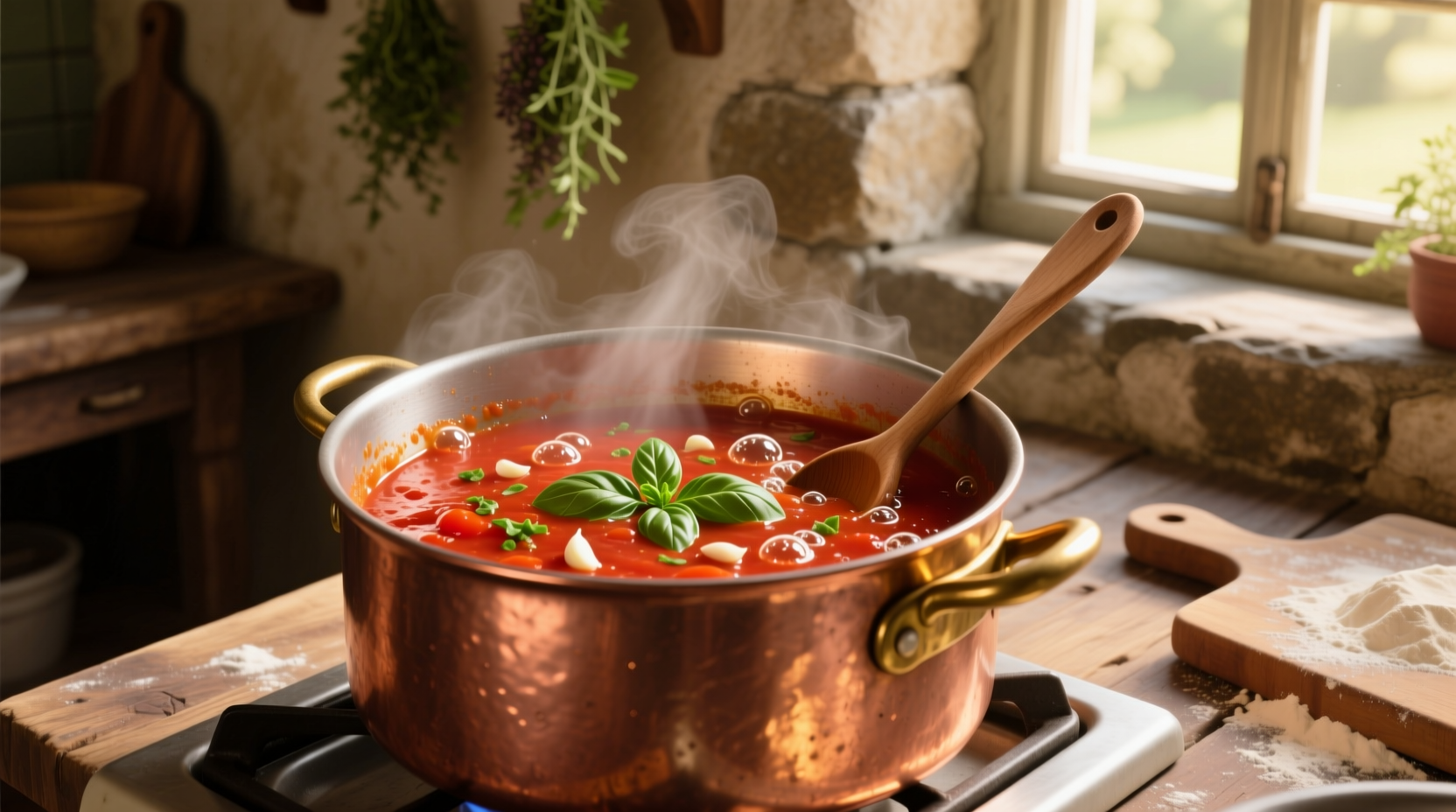
Simple Homemade Gluten-Free Marinara
- 2 tbsp olive oil
- 4 garlic cloves, minced
- 2 (28-oz) cans whole peeled tomatoes
- 1 tsp dried oregano
- 1 tsp dried basil
- ½ tsp red pepper flakes (optional)
- Salt and freshly ground black pepper to taste
- Heat olive oil in large saucepan over medium heat
- Sauté garlic until fragrant (about 1 minute)
- Add tomatoes, crushing by hand as you add them
- Stir in herbs and seasonings
- Simmer uncovered for 30-40 minutes, stirring occasionally
- Adjust seasoning and use immediately or store
This recipe avoids common gluten traps while delivering restaurant-quality flavor. For creamier texture without dairy, blend in 1-2 tbsp of cooked white beans—this technique, recommended by culinary professionals, adds body without altering flavor.
Cross-Contamination Risks in Home Kitchens
Even when using certified gluten-free ingredients, home cooks must prevent cross-contamination. The National Institutes of Health reports that gluten transfer can occur through shared cooking utensils, cutting boards, and cooking surfaces.
Essential precautions:
- Use separate cooking utensils for gluten-free preparation
- Clean surfaces thoroughly before starting
- Never reuse oil that's contacted gluten-containing foods
- Store gluten-free sauces in clearly marked containers
Trusted Commercial Brands Verified as Gluten-Free
Based on independent testing by the Gluten-Free Certification Organization, these brands consistently meet strict gluten-free standards:
- Muir Glen Organic - All varieties certified gluten-free
- Victoria White Linen - Certified gluten-free since 2018
- Organico Bello - Third-party tested with results published online
- Eden Foods - Certified gluten-free and BPA-free packaging
Always check for current certification logos, as formulations can change. The certification process requires annual facility inspections and random product testing to maintain compliance.
Special Considerations for Different Dietary Needs
Many gluten-free tomato sauces also accommodate other dietary restrictions:
- Sugar-conscious options: Look for "no sugar added" varieties or make your own with naturally sweet cherry tomatoes
- Nightshade-sensitive individuals: Consider roasted red pepper sauce as an alternative base
- Low-FODMAP needs: Choose sauces without garlic or onion, or make your own using garlic-infused oil
Registered dietitians specializing in gastrointestinal health often recommend introducing tomato-based sauces gradually when following elimination diets, as tomatoes can trigger symptoms in some individuals with IBS regardless of gluten content.




 浙公网安备
33010002000092号
浙公网安备
33010002000092号 浙B2-20120091-4