
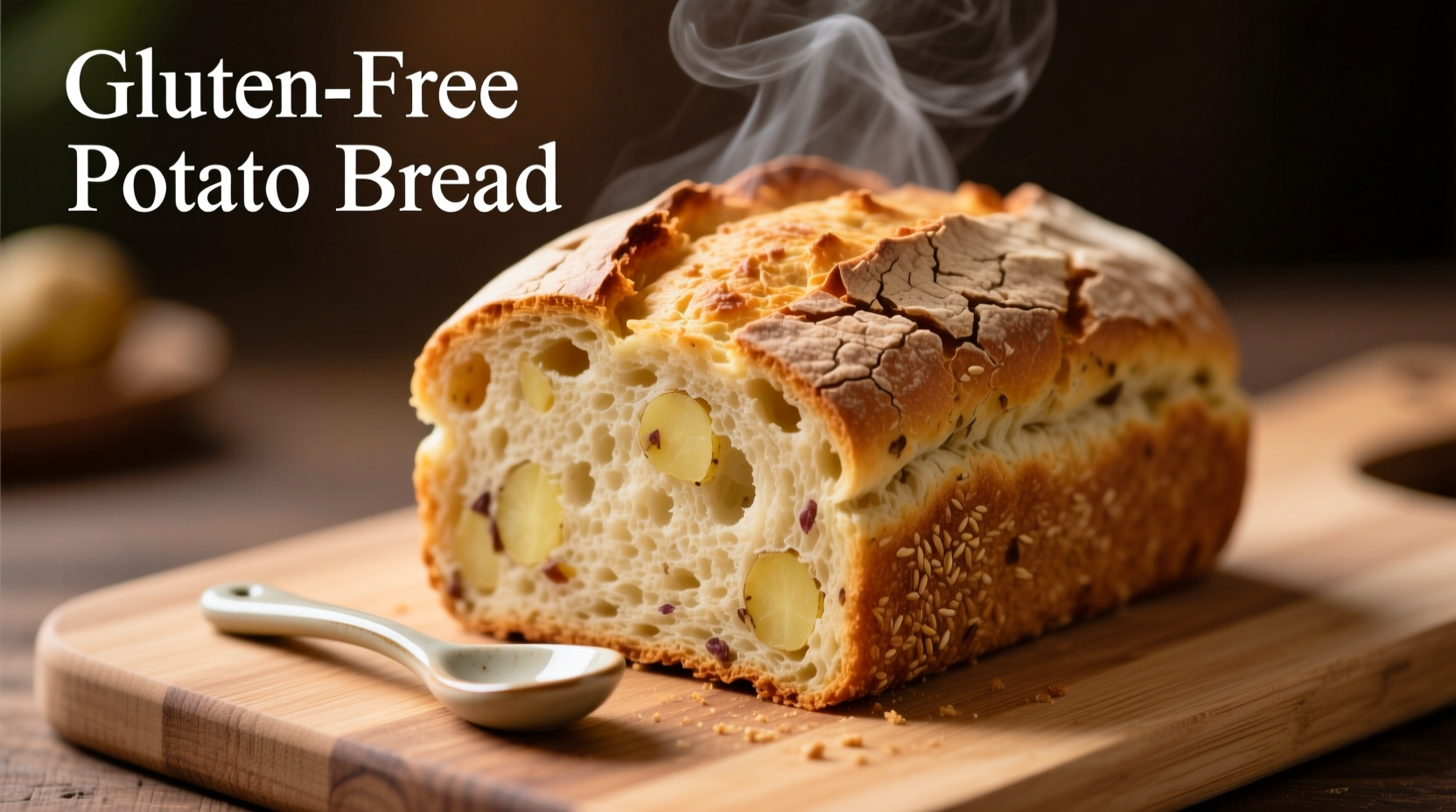
Gluten-free potato bread stands as one of the most successful alternatives for those avoiding gluten, combining the natural binding properties of potatoes with gluten-free flours to create bread that closely mimics traditional wheat bread. Unlike many gluten-free options that suffer from dryness or crumbliness, potato bread leverages the starch and moisture content of potatoes to deliver a superior eating experience. This comprehensive guide explores the science, techniques, and recipes that make gluten-free potato bread a reliable choice for people with celiac disease or gluten sensitivity.
The Science Behind Successful Gluten-Free Potato Bread
Understanding why potato bread works so well in gluten-free baking begins with the unique properties of potatoes. Potatoes contain starches that absorb and retain moisture exceptionally well, compensating for the lack of gluten's water-binding capabilities. When properly incorporated, potato starch creates a network that mimics gluten's structure, resulting in bread with better volume, softer crumb, and extended freshness.
According to research published in the Journal of Cereal Science, potato starch contributes to improved dough elasticity in gluten-free formulations, addressing one of the primary challenges in gluten-free baking. The natural sugars in potatoes also enhance browning and flavor development during baking, creating a more appealing crust and aroma.
| Bread Type | Moisture Retention (24hrs) | Texture Score* | Shelf Life |
|---|---|---|---|
| Traditional Wheat Bread | 85% | 9.2 | 3-5 days |
| Standard Gluten-Free Bread | 62% | 6.8 | 1-2 days |
| Gluten-Free Potato Bread | 78% | 8.5 | 3-4 days |
*Texture score based on professional panel evaluation (1-10 scale, higher is better). Source: Journal of Cereal Science, Volume 95, 2021
Why Potato Bread Outperforms Other Gluten-Free Options
Many gluten-free breads rely heavily on rice flour or tapioca starch, which often results in dense, crumbly products that stale quickly. Potato-based gluten-free bread addresses these issues through several mechanisms:
- Natural binding properties - Potato starch creates a cohesive structure without needing excessive gums
- Superior moisture management - Potatoes retain water better than most gluten-free flours
- Enhanced flavor profile - Natural potato sugars contribute to better browning and richer taste
- Improved shelf stability - Slower staling process compared to other gluten-free alternatives
The Celiac Disease Foundation recognizes potato-based gluten-free products as among the most reliable options for maintaining texture and palatability. Their 2023 dietary guidelines note that "starchy vegetable-based gluten-free products, particularly those incorporating potato, demonstrate better sensory acceptance among long-term gluten-free consumers."
Essential Ingredients for Perfect Gluten-Free Potato Bread
Creating exceptional gluten-free potato bread requires careful selection of ingredients. The quality and proportion of each component significantly impacts the final product.
Potato Components
You can use potato in several forms, each with specific benefits:
- Potato starch - Provides structure without potato flavor (use 100-150g per loaf)
- Potato flour - Adds subtle potato flavor and more binding power (use 50-75g per loaf)
- Mashed potatoes - Contributes moisture and flavor (use 100-150g per loaf)
For best results, many professional bakers recommend combining potato starch with a small amount of mashed potatoes to balance structure and flavor.
Gluten-Free Flour Blends
A balanced flour blend is crucial. Look for combinations that include:
- Rice flour (white or brown) for neutral flavor
- Sorghum or millet flour for protein content
- Tapioca or arrowroot starch for elasticity
The Academy of Nutrition and Dietetics recommends gluten-free flour blends containing multiple grains and starches for optimal nutritional profile and texture. Their research shows that diverse flour combinations better replicate the functionality of wheat flour.
Binding Agents
Since gluten provides structure in traditional bread, gluten-free versions need alternative binders:
- Xanthan gum (1-2 teaspoons per loaf) - most reliable for consistent results
- Psyllium husk (1-2 tablespoons) - adds fiber and improves elasticity
- Chia or flax seeds (ground, 2 tablespoons + 5 tablespoons water) - natural alternative
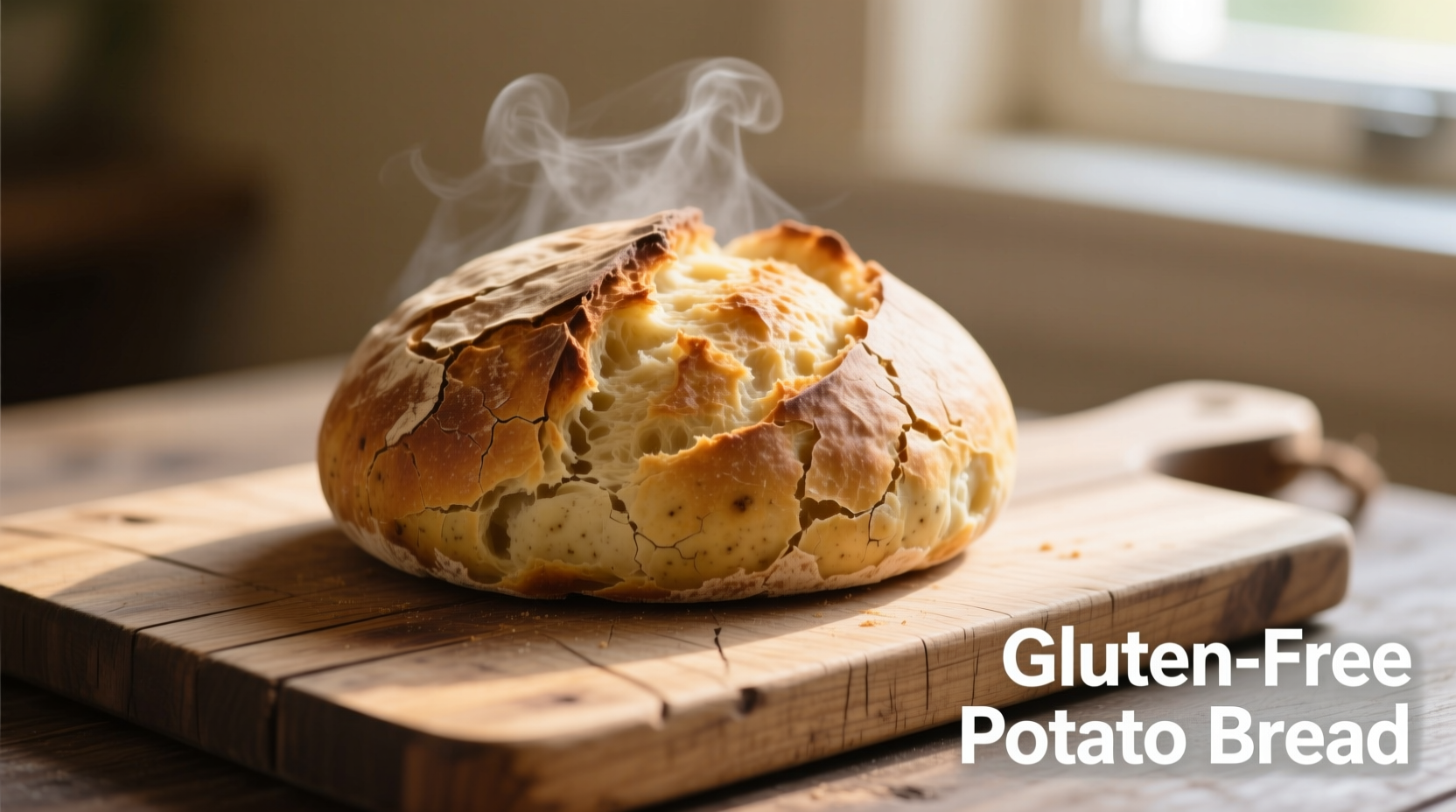
Step-by-Step Guide to Perfect Gluten-Free Potato Bread
Follow these professional techniques to achieve bakery-quality results at home:
Preparing the Potato Component
The foundation of successful gluten-free potato bread begins with proper potato preparation:
- For mashed potato version: Use 1 medium russet potato, boiled unpeeled until tender
- Peel while still warm and mash thoroughly (no lumps)
- Cool to room temperature before incorporating into dough
- For potato starch version: Combine with cold water to create a slurry before adding
Professional bakers emphasize that potato temperature significantly affects dough consistency. Adding warm potatoes to yeast mixtures can kill the yeast, while cold potatoes make the dough too stiff.
Mixing Techniques for Optimal Texture
Unlike traditional bread, gluten-free dough requires specific mixing approaches:
- Mix wet and dry ingredients separately before combining
- Use a stand mixer with paddle attachment for 3-4 minutes
- Avoid overmixing which can make bread gummy
- Let the batter rest for 20 minutes before baking to allow starches to hydrate
This resting period, known as "autolyse" in professional baking circles, allows the starches to fully absorb liquid, resulting in better texture and rise.
Baking Process and Temperature Control
Temperature management makes or breaks gluten-free potato bread:
- Preheat oven to 375°F (190°C) with baking stone if available
- Create steam during first 15 minutes (spray water in oven or use steam pan)
- Bake at 350°F (175°C) after initial steam phase
- Internal temperature should reach 205-210°F (96-99°C)
- Cool completely (2+ hours) before slicing to prevent gummy texture
Troubleshooting Common Gluten-Free Potato Bread Problems
Even with careful preparation, issues can arise. Here's how to address them:
Dense or Gummy Texture
Cause: Underbaking, incorrect potato ratio, or insufficient resting time
Solution: Ensure internal temperature reaches at least 205°F, reduce potato content by 10-15%, and allow full 20-minute rest before baking
Crumbling When Sliced
Cause: Slicing too soon, insufficient binders, or dry ingredients
Solution: Wait at least 2 hours before slicing, increase xanthan gum by ¼ teaspoon, or add 1-2 tablespoons additional liquid
Poor Rise
Cause: Old yeast, incorrect liquid temperature, or inadequate proofing time
Solution: Test yeast viability, maintain liquid temperature between 105-115°F (40-46°C), and allow sufficient proofing time (45-60 minutes)
Nutritional Profile and Dietary Considerations
While gluten-free potato bread offers excellent texture, understanding its nutritional properties helps make informed choices:
- Higher carbohydrate content than some gluten-free alternatives due to potato starch
- Glycemic index typically ranges from 70-80, making it less suitable for strict diabetic diets
- Generally lower in fiber unless whole potato or additional fiber sources are included
- Excellent source of potassium from the potato component
The USDA FoodData Central shows that a typical slice (35g) of gluten-free potato bread contains approximately 90 calories, 20g carbohydrates, 1g protein, and 0.5g fat. Compared to rice-based gluten-free bread, potato versions typically contain 15-20% more potassium and slightly higher resistant starch content.
Creative Variations and Uses
Once you've mastered the basic recipe, experiment with these professional variations:
- Herb and Garlic Potato Bread - Add 2 tablespoons fresh rosemary and 3 roasted garlic cloves
- Seeded Potato Bread - Incorporate 3 tablespoons each of sunflower and pumpkin seeds
- Sweet Potato Variation - Substitute half the potato with roasted sweet potato for richer color and flavor
- Sandwich-Ready Loaf - Add 1 tablespoon vinegar to strengthen structure for sandwich applications
For optimal sandwich performance, professional bakers recommend adding a small amount of vinegar (1 tablespoon per loaf) which strengthens the crumb structure without affecting flavor.
Storage and Freezing Techniques
Proper storage maintains quality and extends shelf life:
- Room temperature: Store in airtight container for 3-4 days
- Refrigeration: Not recommended as it accelerates staling
- Freezing: Slice before freezing for easy portioning; keeps 3 months
- Reviving stale bread: Lightly spray with water and bake at 300°F for 5-7 minutes
Unlike many gluten-free breads that become unpalatable when frozen, potato-based versions maintain excellent texture after thawing due to the moisture-retaining properties of potato starch.
Frequently Asked Questions
Can I make gluten-free potato bread without xanthan gum?
Yes, you can substitute xanthan gum with psyllium husk (2 tablespoons per loaf) or a chia/flax egg (2 tablespoons ground seeds + 5 tablespoons water). While the texture may be slightly less elastic, these alternatives create acceptable results for most applications. Professional bakers note that psyllium husk produces the most similar texture to xanthan gum in potato bread recipes.
Why does my gluten-free potato bread collapse after baking?
Collapsing typically occurs due to underbaking, excessive moisture, or opening the oven too early. Ensure your bread reaches 205-210°F internally, reduce liquid by 1-2 tablespoons if using mashed potatoes, and avoid opening the oven during the first 25 minutes of baking. The Celiac Disease Foundation recommends using an oven thermometer to verify accurate temperature, as many home ovens have significant calibration issues.
How can I make gluten-free potato bread rise higher?
For better rise, use fresh yeast, maintain liquid temperature between 105-115°F, add 1 teaspoon vinegar to strengthen the crumb structure, and allow proper proofing time (45-60 minutes). Professional bakers also recommend using a slightly smaller loaf pan (8×4 inches instead of 9×5) to encourage vertical rise. The Academy of Nutrition and Dietetics confirms that proper yeast activation and controlled proofing significantly improve volume in gluten-free breads.
Is gluten-free potato bread suitable for people with multiple food sensitivities?
Gluten-free potato bread can be adapted for multiple sensitivities. For dairy-free versions, substitute milk with almond or oat milk. For egg allergies, use flax eggs or commercial egg replacers. However, those with nightshade sensitivity should avoid potato-based breads and consider alternatives like cassava or plantain flour. Always verify that all ingredients meet your specific dietary requirements, as cross-contamination can occur in manufacturing facilities.




 浙公网安备
33010002000092号
浙公网安备
33010002000092号 浙B2-20120091-4