
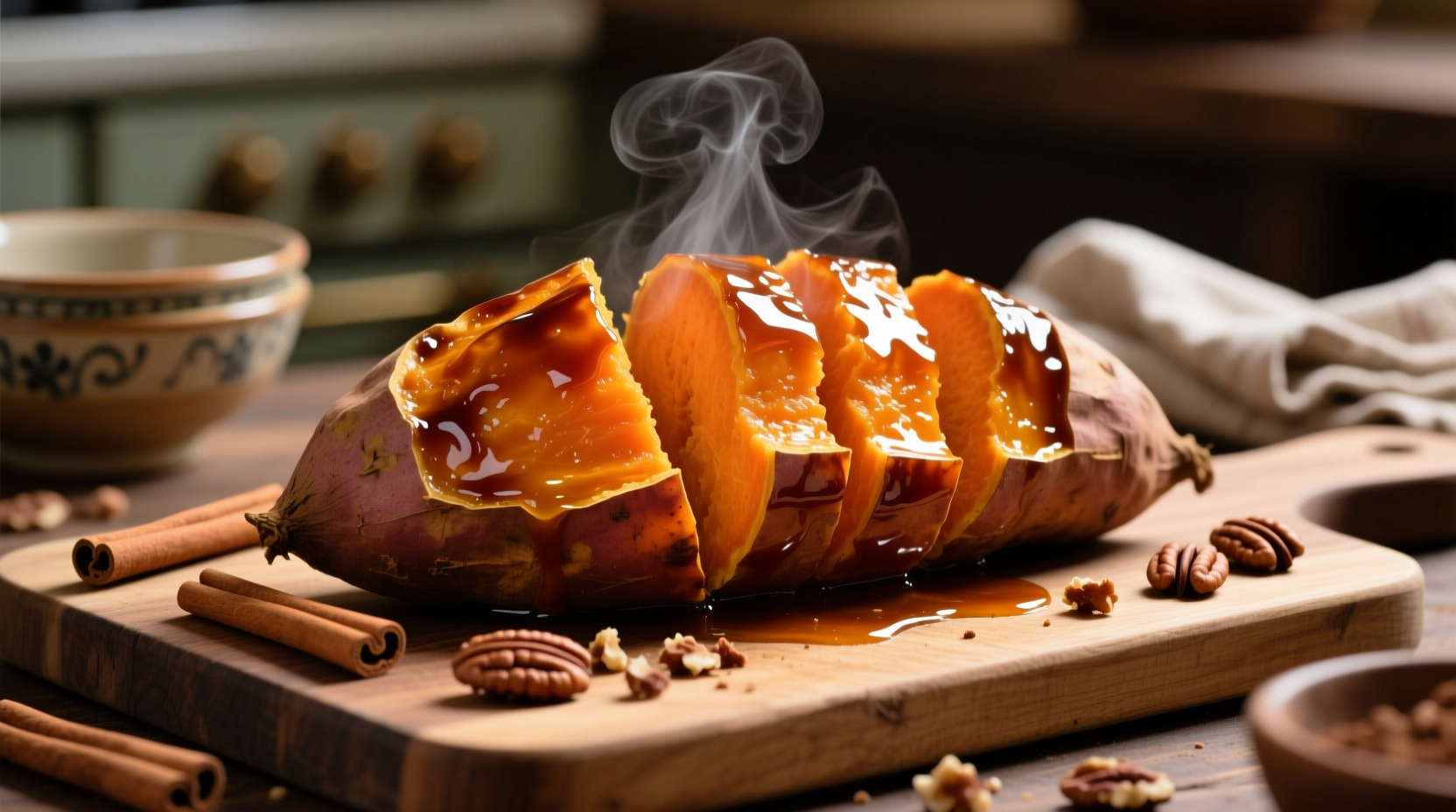
The perfect glazed sweet potato features tender, caramelized edges with a glossy, flavorful coating that enhances rather than overwhelms the natural sweetness of the potato. Achieve restaurant-quality results at home with our tested recipe using simple ingredients, precise cooking temperatures, and professional techniques that prevent sogginess while maximizing flavor development.
Nothing says comfort food quite like perfectly glazed sweet potatoes. Whether you're preparing a holiday feast or a weeknight side dish, this versatile preparation transforms humble sweet potatoes into a show-stopping accompaniment. Unlike traditional candied versions loaded with marshmallows, our approach focuses on balanced sweetness, professional cooking techniques, and customizable flavor profiles that complement rather than dominate the natural earthy-sweet character of sweet potatoes.
The Evolution of Sweet Potato Glazing Techniques
Sweet potatoes have traveled a fascinating culinary journey from their origins in Central and South America to becoming a staple in kitchens worldwide. According to the USDA Agricultural Research Service, sweet potatoes were first cultivated over 5,000 years ago and spread globally through trade routes. The glazing technique evolved as cooks sought to enhance the vegetable's natural sugars while creating appealing textures.
Sweet Potato Glazing Historical Timeline
- Pre-1500s: Indigenous peoples in the Americas roasted sweet potatoes over open fires, appreciating their natural sweetness
- 16th-18th centuries: European colonists began incorporating sweet potatoes into their cooking, using available sweeteners like honey and molasses
- Late 1800s: The introduction of refined sugar made sweet potato dishes more accessible to home cooks
- Early 1900s: The famous "candied" sweet potato recipes emerged, often featuring marshmallows as a modern twist
- Present day: Chefs focus on balanced glazes using natural sweeteners and complementary spices that enhance rather than mask the vegetable's flavor
Understanding Glaze Science: What Makes the Perfect Coating
Professional chefs know that successful glazing isn't just about adding sweetness—it's about creating the right chemical reactions during cooking. The Maillard reaction and caramelization work together to develop complex flavors while creating that desirable glossy finish.
| Glaze Ingredient | Sugar Content | Best Cooking Result | Flavor Profile |
|---|---|---|---|
| Maple Syrup | 66% sucrose | Rich caramelization at 350°F | Earthy, woody notes with subtle smokiness |
| Honey | 80% fructose/glucose | Quick browning at 325°F | Floral notes that complement sweet potato |
| Brown Sugar | 95% sucrose | Slow, even caramelization at 375°F | Molasses depth with balanced sweetness |
| Coconut Sugar | 70-79% sucrose | Milder caramelization at 325°F | Caramel-like with lower glycemic impact |
According to research published in the Journal of Food Science, the ideal glaze-to-potato ratio is 2:1 by weight for optimal caramelization without sogginess. This scientific approach explains why many home recipes fail—they use too much liquid sweetener, creating a steamed rather than roasted effect.
Professional-Grade Glazed Sweet Potato Recipe
Following these precise techniques will transform your sweet potatoes from ordinary to extraordinary. The key is balancing temperature control with ingredient ratios.
Essential Ingredients
- 2 lbs (900g) sweet potatoes (choose uniform medium-sized for even cooking)
- 3 tbsp pure maple syrup or honey
- 1½ tbsp melted butter or coconut oil
- 1 tsp pure vanilla extract
- ½ tsp ground cinnamon
- ¼ tsp fine sea salt
- Pinch of cayenne pepper (optional for flavor complexity)
Step-by-Step Preparation
- Preparation: Preheat oven to 400°F (204°C). Line a baking sheet with parchment paper.
- Cutting technique: Peel sweet potatoes and cut into uniform ½-inch thick rounds or 1-inch cubes. Uniform size ensures even cooking.
- Dry surface method: Pat potato pieces thoroughly dry with paper towels. Moisture is the enemy of proper caramelization.
- Glaze mixing: Whisk together maple syrup, melted butter, vanilla, cinnamon, salt, and cayenne until emulsified.
- Coating process: Toss sweet potato pieces in the glaze until evenly coated, using just enough to create a thin film.
- Arrangement secret: Place pieces in a single layer with space between them on the baking sheet. Crowding causes steaming.
- Cooking technique: Bake for 20 minutes, flip pieces, then bake another 15-20 minutes until tender and caramelized.
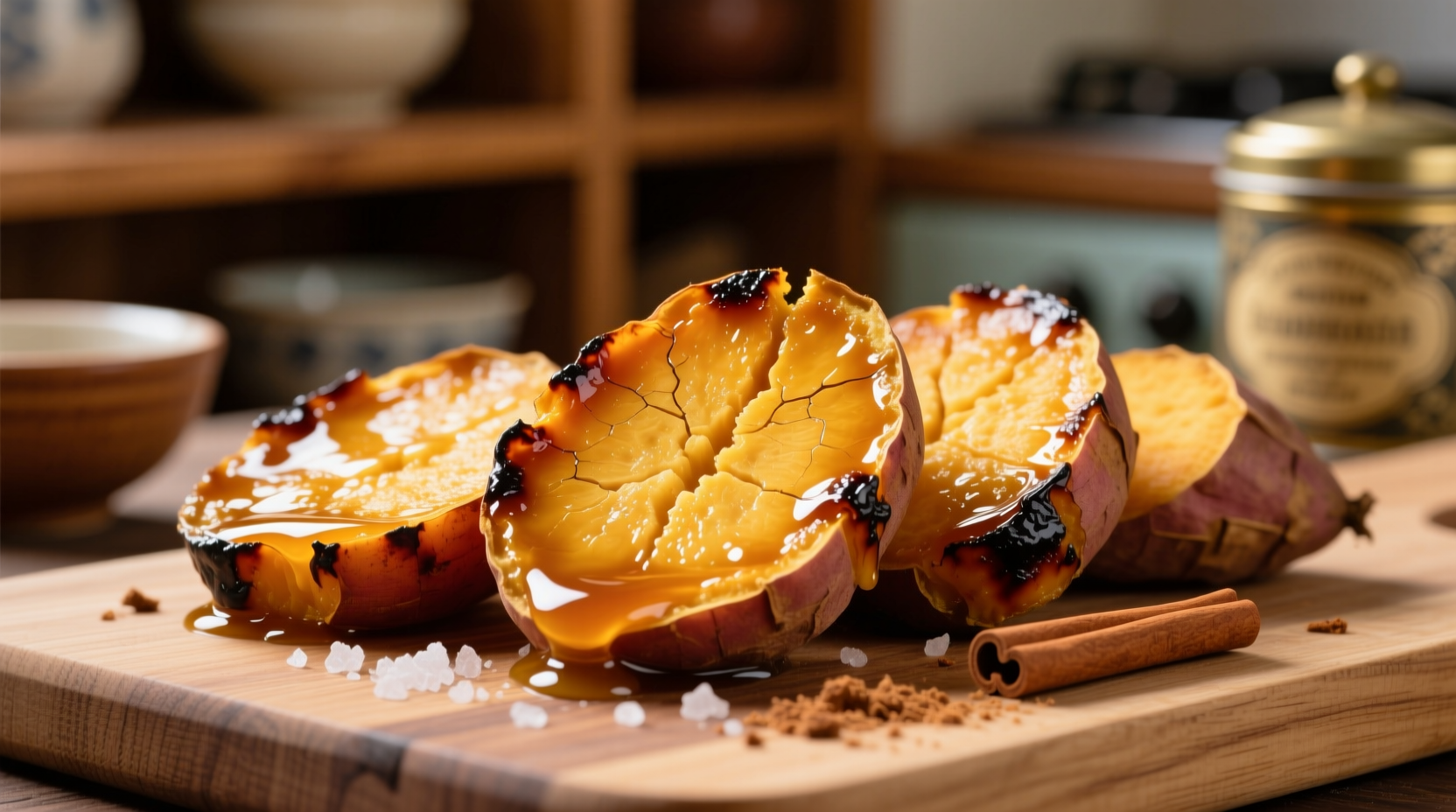
- Finishing touch: For extra gloss, broil for 1-2 minutes at the end, watching carefully to prevent burning.
When to Use Different Glazing Approaches
Not all occasions call for the same glazing technique. Understanding context boundaries helps you select the perfect preparation method:
- Holiday feasts: Use the classic maple-brown sugar combination with a touch of orange zest for special occasions. The USDA Food Safety and Inspection Service recommends keeping cooked sweet potatoes at 140°F or above when serving buffet-style.
- Weeknight meals: Opt for a quicker honey-garlic variation that cooks in 25 minutes total.
- Health-conscious options:
- Meal prep: Prepare sweet potatoes without glaze, then add the glaze mixture just before reheating to maintain texture.
Avoiding Common Glazing Mistakes
Even experienced cooks make these critical errors that compromise results:
- Using too much glaze: Excess liquid prevents proper caramelization and creates a soggy texture
- Incorrect oven temperature: Below 375°F won't create proper caramelization; above 425°F burns the sugars before potatoes cook through
- Not flipping during cooking: Essential for even browning on all sides
- Adding glaze too early: Apply most of the glaze during the last 15 minutes of cooking for best results
- Using impure sweeteners: Pancake syrup contains corn syrup that won't caramelize properly
Flavor Variations for Every Palate
Customize your glazed sweet potatoes to match any meal or dietary preference:
- Spicy Chipotle: Add 1 tsp chipotle powder and 1 tbsp lime juice to the glaze
- Orange-Ginger: Replace vanilla with 1 tbsp fresh orange juice and 1 tsp grated ginger
- Savory Herb: Omit sweetener, use 3 tbsp olive oil with rosemary and thyme
- Tropical: Substitute coconut nectar for maple syrup with a pinch of cardamom
Serving and Storage Guidelines
For best flavor development, let glazed sweet potatoes rest for 5-10 minutes after cooking before serving. This allows the glaze to set properly. Pair with roasted poultry, grilled meats, or as part of a vegetarian main course.
Store leftovers in an airtight container in the refrigerator for up to 4 days. Reheat in a 350°F oven for best texture retention—microwaving makes them soggy. According to FoodSafety.gov, reheated sweet potatoes should reach an internal temperature of 165°F for safe consumption.




 浙公网安备
33010002000092号
浙公网安备
33010002000092号 浙B2-20120091-4