
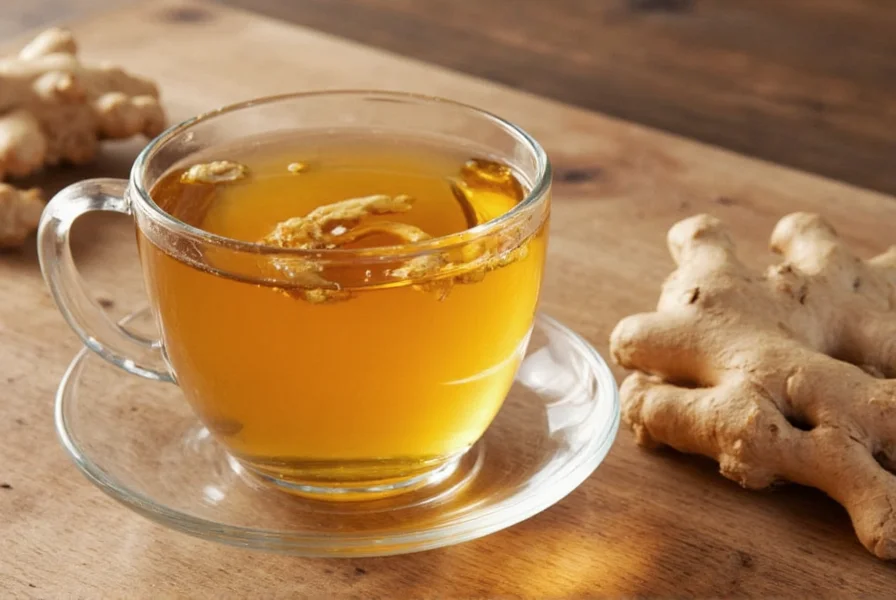
When you choose ginger tea with real ginger, you're selecting a beverage with centuries of traditional use across Asian and Middle Eastern cultures. Unlike many store-bought varieties labeled as “ginger tea” that contain primarily black or green tea with ginger flavoring, authentic ginger tea features ginger root as the primary ingredient. This distinction matters because the therapeutic compounds in ginger are most potent when derived directly from the plant rather than synthesized artificially.
Understanding Authentic Ginger Tea
The difference between genuine ginger tea and commercial alternatives lies in both composition and preparation. Real ginger tea starts with the rhizome (root) of the Zingiber officinale plant, which contains over 100 bioactive compounds. When prepared properly, these compounds infuse into the water, creating a beverage with distinctive spicy warmth and potential health properties.
Commercial “ginger teas” often contain:
- Black or green tea as the base (70-90% of content)
- Artificial ginger flavoring
- Minimal actual ginger (often less than 5%)
- Additional flavor enhancers
| Characteristic | Real Ginger Tea | Commercial Ginger-Flavored Tea |
|---|---|---|
| Primary Ingredient | Fresh or dried ginger root | Black/green tea leaves |
| Ginger Content | 100% ginger | Typically 2-10% ginger |
| Active Compounds | Natural gingerols, shogaols | Often artificial flavorings |
| Preparation Method | Simmered or steeped ginger | Tea bag infusion |
Health Benefits of Real Ginger Tea
Research indicates that ginger tea made with real ginger offers several potential health benefits supported by scientific evidence. The key bioactive compounds, particularly 6-gingerol, demonstrate anti-inflammatory and antioxidant properties that may contribute to various health improvements.
Studies published in the Journal of Medicinal Food and Nutrition Journal suggest that regular consumption of ginger tea with real ginger may:
- Support digestive health by accelerating gastric emptying
- Reduce feelings of nausea, particularly morning sickness and motion sickness
- Provide mild anti-inflammatory effects that may help with joint discomfort
- Support healthy circulation
- Contribute to antioxidant protection against free radicals
It's important to note that these potential benefits are associated with tea made from actual ginger root, not commercial products with minimal ginger content. The concentration of active compounds in real ginger tea is significantly higher than in artificially flavored alternatives.
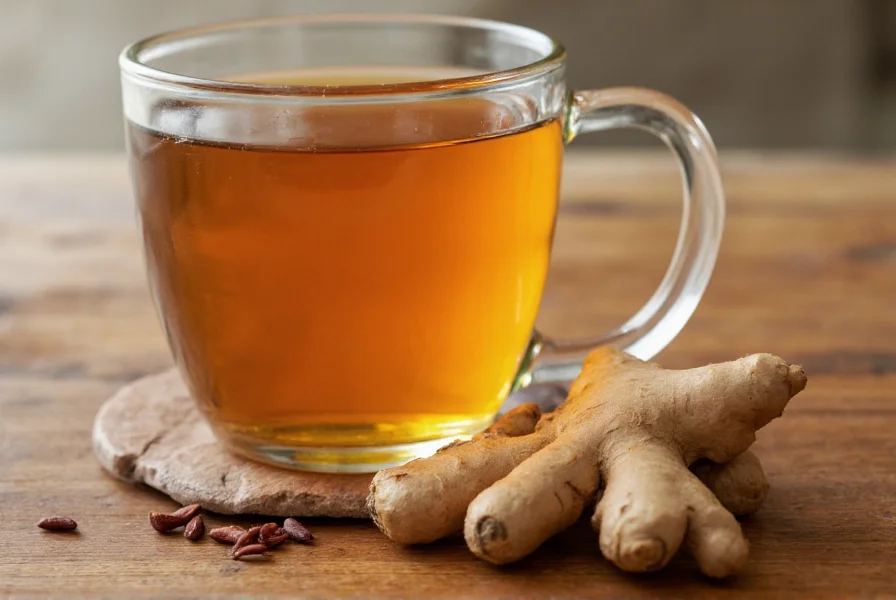
How to Make Proper Ginger Tea with Real Ginger
Creating authentic ginger tea requires minimal ingredients but proper technique to maximize both flavor and potential benefits. Here's a professional preparation method:
- Select fresh ginger root with smooth, firm skin and no soft spots
- Peel and slice 1-2 inches of ginger (about 30g) into thin pieces
- Add ginger to 2 cups of cold water in a saucepan
- Bring to a gentle boil, then reduce heat and simmer for 10-15 minutes (longer simmering increases potency but also spiciness)
- Strain the liquid into a cup
- Optional additions: lemon slice, raw honey, or a pinch of turmeric
The simmering time significantly affects both flavor intensity and compound extraction. For digestive support, a 10-minute simmer provides optimal gingerol concentration. For stronger anti-inflammatory effects, extend to 15-20 minutes to convert more gingerols to shogaols.
Identifying Genuine Ginger Tea Products
When purchasing pre-made ginger tea products, look for these indicators of authenticity:
- Ingredient list showing “ginger root” as the first or only ingredient
- Absence of “ginger flavor,” “artificial flavor,” or “natural flavor”
- Visible ginger pieces in the tea bag or loose leaf product
- Strong, spicy aroma rather than overly sweet scent
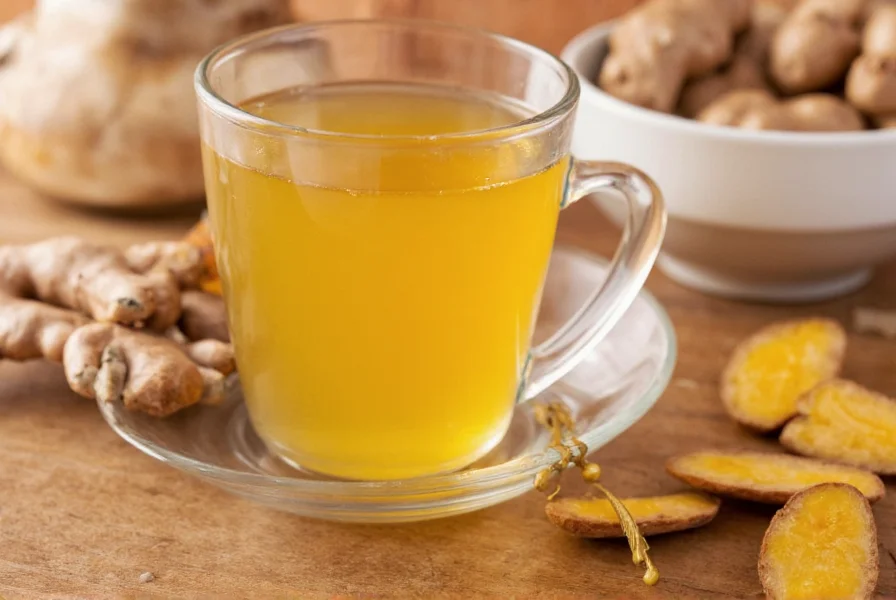
- Transparent brewing liquid with natural golden color
Be cautious of products labeled “ginger tea” that list black tea or green tea as the primary ingredient. These are technically “ginger-flavored tea” rather than true ginger tea. For maximum benefits of ginger tea with real ginger, choose products where ginger is the sole ingredient.
Common Preparation Mistakes to Avoid
Many people unknowingly diminish the quality and potential benefits of their ginger tea through common preparation errors:
- Using boiling water on dried ginger - Dried ginger benefits from simmering rather than pouring boiling water directly
- Insufficient steeping time - Real ginger requires 10-15 minutes of simmering to properly extract compounds
- Using old or dried-out ginger - Fresh ginger should feel firm and heavy for its size
- Adding milk - Dairy can bind with ginger's active compounds, reducing bioavailability
- Over-sweetening - Excessive sugar masks ginger's natural flavor profile and health properties
Scientific Perspective on Ginger Tea Benefits
A 2021 review in Antioxidants analyzed multiple studies on ginger consumption and found that the bioactive compounds in ginger demonstrate significant antioxidant activity. The research indicates that the method of preparation directly affects the concentration of these beneficial compounds.
When preparing ginger tea with real ginger, the thermal processing during brewing converts some gingerols to shogaols, which have different but complementary biological activities. This natural transformation doesn't occur in artificially flavored ginger teas, which lack the original compounds necessary for these beneficial conversions.
For digestive health specifically, a clinical trial published in Nutrition Research found that participants who consumed tea made from fresh ginger reported significantly better digestive comfort compared to those consuming ginger-flavored tea with minimal actual ginger content.
Conclusion
Ginger tea with real ginger offers a distinctive flavor profile and potential health benefits that artificial alternatives cannot replicate. By understanding how to identify authentic products and properly prepare ginger tea using fresh or dried ginger root, you can maximize both the sensory experience and potential wellness benefits. The key distinction lies in using ginger as the primary ingredient rather than a minor flavoring component, allowing you to experience the full spectrum of this ancient botanical's properties.




 浙公网安备
33010002000092号
浙公网安备
33010002000092号 浙B2-20120091-4